How Iran’s Shadowy Barter Dealings with China Are Outsmarting Global Sanctions and Rewiring the Billion-Dollar Trade Game

Ever wonder how a nation under the iron grip of international sanctions still manages to pull off billion-dollar deals without so much as a hiccup? Welcome to Iran’s new playbook — a slick barter system dance with China that’s rewriting the rules of how countries dodge economic chokeholds. It’s like watching a master strategist sidestep the usual blockades, using complex financial alchemy that keeps the wheels turning in its oil, shipping, and money dealings. Instead of rattling sabers and slipping into conflict, Iran’s showing us that resilience isn’t about brute force — it’s about outsmarting the game with crafty moves behind the scenes. Now the big question: does this survival skill shake up global markets enough to tip the scales on Strait of Hormuz fees? Hold onto your hats, because this one’s far from over. LEARN MORE

Iran has reportedly found a way to bypass international sanctions by engaging in barter trade with China, acquiring billions of dollars worth of goods through complex financial arrangements. This development, reported by the Jerusalem Post, highlights Iran’s efforts to navigate around the tightened sanctions imposed primarily by the United States. The sanctions have significantly impacted Iran’s oil, shipping, and financial sectors. The use of barter systems and opaque financial channels suggests that Iran is reinforcing its economic resilience in the face of mounting international pressure, rather than escalating to direct military conflict.
Key Takeaways
- Iran’s use of barter systems to bypass sanctions appears consistent with efforts to enhance its economic resilience, potentially impacting the likelihood of charging Hormuz fees.
- Market pricing suggests that the bypassing of sanctions could moderately strengthen confidence in Iran’s economic position, as reflected in the Hormuz fee markets.
- The current odds for Iran charging Hormuz fees by October 31 have decreased to 11.5% from 14% a day earlier, indicating cautious sentiment among market participants.
What to Watch
The key actors to monitor include Iranian lawmakers and the IRGC, as their actions could indicate shifts in Iran’s strategy regarding the Strait of Hormuz fees. A public statement or legislative action from Iran codifying fee charges could be consistent with a YES outcome in the Hormuz markets. Conversely, announcements extending fee pauses or diplomatic engagements with the US might suggest continued restraint, impacting market expectations. Observers should watch for any official confirmations or media reports that could alter the existing dynamics in the Hormuz fee market.
Get live prediction-market analysis, powered by Vera. Sign up for Vera.
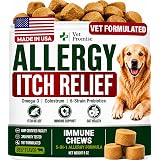
Dog Allergy Relief Chews - Skin Health & Anti-Itch Supplement with Omega-3 | Supports Itchy Skin, Paw Licking, Hot Spots & Seasonal Allergies - Skin & Coat Immune Supplement with Probiotics & Colostrum
$9.98 (as of September 10, 2026 03:08 GMT +00:00 - More infoProduct prices and availability are accurate as of the date/time indicated and are subject to change. Any price and availability information displayed on [relevant Amazon Site(s), as applicable] at the time of purchase will apply to the purchase of this product.)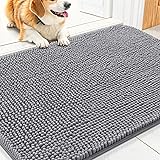
Smiry Dog Door Mat for Muddy Paws 30x20, Absorbs Moisture and Dirt Doormat | Grey, Non-Slip Washable Quick Dry Chenille Front Door Mat Indoor Entrance, Entryway Carpet for Inside Floor
$9.47 (as of September 10, 2026 03:08 GMT +00:00 - More infoProduct prices and availability are accurate as of the date/time indicated and are subject to change. Any price and availability information displayed on [relevant Amazon Site(s), as applicable] at the time of purchase will apply to the purchase of this product.)
Pipishell Full Motion TV Wall Mount for Echo Show 21/15 and 13-43 Inch Flat Curved Screen TVs & Monitors, Max VESA 200x200mm up to 44lbs, TV Mount Wall Bracket with Rotation Swivel Tilt Extension
$15.99 (as of September 10, 2026 03:10 GMT +00:00 - More infoProduct prices and availability are accurate as of the date/time indicated and are subject to change. Any price and availability information displayed on [relevant Amazon Site(s), as applicable] at the time of purchase will apply to the purchase of this product.)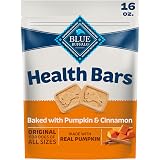
Blue Buffalo Health Bars Pumpkin & Cinnamon Dog Biscuits, 16 oz | Oven-Baked, Crunchy Texture, No Chicken By-Product, Corn, Wheat, or Soy
$4.98 (as of September 10, 2026 03:02 GMT +00:00 - More infoProduct prices and availability are accurate as of the date/time indicated and are subject to change. Any price and availability information displayed on [relevant Amazon Site(s), as applicable] at the time of purchase will apply to the purchase of this product.)









Post Comment