Why the SFA’s Demand to Stop the Minimum Wage Hike Could Shake Your Wallet and the Economy—Here’s What They’re Not Telling You
Ever wonder if cranking up the minimum wage is always the right call—especially for the little guys holding up our economy? The Small Firms Association (SFA) sure thinks not. As labor costs keep climbing and inflation refuses to take a holiday, small businesses are left grappling with a double-edged sword: the National Minimum Wage shot up by over half since 2016, yet prices haven’t danced to that same tune. Now, with the Low Pay Commission nudging another hike, the SFA raises a cautious hand, urging the government to press pause in the upcoming Budget. They argue this move could squeeze SMEs even tighter, threatening to undo efforts meant to ease the broader financial pinch businesses are feeling. From calls for a temporary PRSI rebate to requests for tax reliefs and AI upskilling funds, the SFA’s pre-budget asks paint a vivid picture of the uphill battle small enterprises face today. It’s a classic case of balancing act—how do we pay fair wages without tipping the scales against those trying to keep the lights on? Dive into the details and see why this debate matters more than ever. LEARN MORE.
The Small Firms Association (SFA) has called on the Government to reject a further increase in the National Minimum Wage in next month’s Budget, warning that rising labour costs are putting pressure on small businesses.
The business group made the call in its Pre-Budget Submission 2027, arguing that another increase recommended by the Low Pay Commission could undermine efforts to address the wider cost pressures facing SMEs.
The National Minimum Wage has risen from €9.15 in 2016 to €14.15 in 2026, an increase of 54.6%. Over the same period, the Consumer Price Index has increased by approximately 25%, according to the SFA.
The association is also calling for a temporary, targeted PRSI rebate for businesses employing lower-paid workers, as well as a postponement of planned 0.3% increases in employer PRSI in October 2026 and 2027 until inflation returns to normal levels.
The SFA’s 2026 Small Business Survey, carried out with Amárach, found that 80% of businesses regard rising costs as a general challenge, while 51% identified them as their biggest threat.
Labour costs were cited as an operating challenge by 40% of respondents.
SFA director David Broderick said businesses were frustrated that further increases in the minimum wage could offset measures proposed by the Cost of Business Advisory Forum.
“This Budget must not include another increase in the National Minimum Wage,” Broderick said.
“The Minister must reject the proposed increase by the Low Pay Commission to allow small businesses to better cope with ongoing increases in labour-related costs in recent years.”
The SFA is also seeking an increase in the Small Benefit Exemption to €2,000 and a reduction in Capital Gains Tax from 33% to 20%.
Other proposals include reducing stamp duty on commercial trading property from 7.5% to 4%, simplifying R&D tax credit claims and corporate tax returns, and changing Enhanced Reporting Requirements from real-time to monthly reporting.
The group is also seeking €50m from the National Training Fund surplus over three years for Skillnet business networks, alongside increased investment in AI upskilling.
The SFA represents more than 98% of businesses classified as small enterprises in Ireland.

Amazon Kindle 16 GB (newest model) - Lightest and most compact Kindle, now with faster page turns, and higher contrast ratio, for an enhanced reading experience - Matcha
$149.99 (as of September 18, 2026 03:27 GMT +00:00 - More infoProduct prices and availability are accurate as of the date/time indicated and are subject to change. Any price and availability information displayed on [relevant Amazon Site(s), as applicable] at the time of purchase will apply to the purchase of this product.)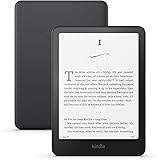
Amazon Kindle Paperwhite 16GB (newest model) – 20% faster, with new 7" glare-free display and weeks of battery life – Black
$199.99 (as of September 18, 2026 03:27 GMT +00:00 - More infoProduct prices and availability are accurate as of the date/time indicated and are subject to change. Any price and availability information displayed on [relevant Amazon Site(s), as applicable] at the time of purchase will apply to the purchase of this product.)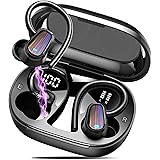
Wireless Earbuds Bluetooth 5.4, 50H Playtime Sport Earphones with Earhooks | HiFi Stereo Bluetooth Hearphones with ENC Noise Cancelling Mic, IPX7 Waterproof Over the Ear Buds for Gym/Running/Workout
$23.99 (as of September 18, 2026 03:22 GMT +00:00 - More infoProduct prices and availability are accurate as of the date/time indicated and are subject to change. Any price and availability information displayed on [relevant Amazon Site(s), as applicable] at the time of purchase will apply to the purchase of this product.)
Soundcore by Anker Q20i Hybrid Active Noise Cancelling Headphones, Black | Over-Ear, Bluetooth, 40H ANC Playtime, Hi-Res Audio, Big Bass, Transparency Mode, Customize via App, Travel, Home, Office
$44.99 (as of September 18, 2026 03:12 GMT +00:00 - More infoProduct prices and availability are accurate as of the date/time indicated and are subject to change. Any price and availability information displayed on [relevant Amazon Site(s), as applicable] at the time of purchase will apply to the purchase of this product.)













Post Comment