
China’s Trade Surplus Collapse: Is the World’s Second-Largest Economy on the Brink of a Growth Shock?

China’s trade surplus just took a nosedive—to its lowest in over a year—and if you think that’s just a boring stat, think again. What does it say when exports slow down while imports, especially in tech gear, skyrocket? It’s like watching a see-saw that’s tipping in a way that could seriously shake up China’s growth forecast for early 2026. Higher energy prices are set to push import costs even further, nibbling away at the net export gains we’ve come to rely on, making that 4.7% GDP forecast look shakier by the day. So here’s the kicker: can China keep its growth sprint alive even as the trade winds shift? And what does this mean for global markets watching every move? Dive in with me as we unpack why this surplus plunge might just rewrite the playbook on China’s economic game—and why savvy investors should care. LEARN MORE

ING’s Chief Economist for Greater China, Lynn Song, notes that China’s March trade surplus dropped to a 13‑month low as exports slowed and imports surged, especially in tech-related categories. The bank expects higher energy prices to lift import values further, reducing the contribution from net exports and potentially weighing on China’s 1Q26 GDP, where its 4.7% forecast now looks vulnerable.
Surplus drop and import surge reshape outlook
“Thanks to continued strength in imports and a slowdown in exports in March, China’s trade surplus fell to a 13-month low of $51.1bn. This is not only well below market expectations but also brings the 1Q26 trade surplus to just $264.3bn. In USD terms, this is down -2.5% YoY from 1Q25. In RMB terms, more relevant for the GDP considerations, this is an even steeper decline of -4.8% YoY.”
“China’s March trade surplus slowed to just $51.1bn, a 13-month low, as exports fell more than expected, while imports surged amid rising tech prices. We expect higher energy prices to feed into import prices in the months ahead.”
“Higher energy prices will likely boost imports further in subsequent months.”
“Higher imports will help assuage the concerns from China’s trading partners, but would also cut the contribution of net exports to China’s growth.”
“With the drag from the US expected to ease—assuming no new tariff shocks, which cannot be fully ruled out—external demand should remain an important driver of growth this year.”
(This article was created with the help of an Artificial Intelligence tool and reviewed by an editor.)

Strawberries, 1 Lb
(as of October 11, 2026 03:09 GMT +00:00 - More infoProduct prices and availability are accurate as of the date/time indicated and are subject to change. Any price and availability information displayed on [relevant Amazon Site(s), as applicable] at the time of purchase will apply to the purchase of this product.)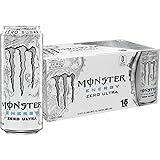
Monster Energy Zero Ultra, Sugar Free Energy Drink, 16 Ounce | Pack of 15
$26.98 (as of October 11, 2026 03:09 GMT +00:00 - More infoProduct prices and availability are accurate as of the date/time indicated and are subject to change. Any price and availability information displayed on [relevant Amazon Site(s), as applicable] at the time of purchase will apply to the purchase of this product.)
DaVinci Gourmet Classic Blue Raspberry, 25.4 Fluid Ounces (Pack of 1)
$7.99 (as of October 11, 2026 03:09 GMT +00:00 - More infoProduct prices and availability are accurate as of the date/time indicated and are subject to change. Any price and availability information displayed on [relevant Amazon Site(s), as applicable] at the time of purchase will apply to the purchase of this product.)
Soundcore P30i by Anker Noise Cancelling Earbuds, Hands-Free Viewing | Strong and Smart Noise Cancelling, Powerful Bass, 45H Playtime, 2-in-1 Case and Phone Stand, IP54, Bluetooth 5.4
$24.99 (as of October 11, 2026 03:20 GMT +00:00 - More infoProduct prices and availability are accurate as of the date/time indicated and are subject to change. Any price and availability information displayed on [relevant Amazon Site(s), as applicable] at the time of purchase will apply to the purchase of this product.)













Post Comment