
Could Eggs Secretly Be the Superfood Your Dog’s Been Begging For?

Ever found yourself scrambling eggs for breakfast, only to catch those irresistible puppy-dog eyes pleading for just a tiny taste? Okay, so maybe Fido’s cuteness is working overtime—but it also sparks a serious question: can dogs safely munch on eggs, or am I setting them up for trouble? I’ve been there, wondering whether that humble breakfast staple might be a secret superfood or a sneaky health hazard for my furry sidekick. Let’s peel back the layers and crack into the real scoop about eggs and your dog’s diet—because trust me, there’s more to this than meets the eye. Curious if eggs can really boost your pup’s health or if you should keep that plate all to yourself? Read on, because you might just be surprised. LEARN MORE

Have you ever been scrambling eggs for breakfast, and you sense puppy-dog eyes begging for just one bite? It may have you wondering, can I feed my dog eggs or are they a recipe for trouble? Let’s crack into the facts about feeding eggs to your dog.
Nutritional Benefits: Are Eggs Good for Dogs?
The good news is that eggs can be a nutritious and healthy treat for most dogs when cooked correctly. Eggs offer several health benefits — they are a good source of protein and contain essential amino acids, healthy fats and minerals. Eggs also contain vitamins A, D, E and several B vitamins that help support healthy skin and coat, brain function and muscle development.
How Many Eggs Can a Dog Eat?
If you’re thinking about incorporating eggs into your dog’s diet on a regular basis, it’s important to ask your veterinarian how many eggs your dog should eat — especially if your dog has underlying health conditions or a sensitive stomach. As a general rule, treats and other foods outside of your dog’s normal diet should make up no more than 10% of their daily caloric intake. Dogs with medical issues such as obesity or pancreatitis may need to limit their intake of high-fat foods, including eggs.
Can Dogs Eat Raw Eggs?
Most veterinarians agree that feeding raw eggs to your dog is not advisable due to the risk of food poisoning. Raw or undercooked eggs can harbor bacteria such as Salmonella or E. coli, both of which can make dogs and humans sick. This is particularly concerning for senior dogs, immunosuppressed dogs and puppies, as these bacteria can lead to vomiting, diarrhea and even death in some cases. Additionally, there is a risk that the bacteria could be transmitted to people who touch contaminated surfaces, clean up feces or have direct contact with their dog.
Raw egg whites, when consumed in large amounts over time, contain a protein called avidin, which binds to biotin in the small intestine and prevents its absorption. Signs of a biotin deficiency are poor growth, dermatitis, lethargy and neurologic abnormalities. So it’s best to avoid these risks and only feed cooked eggs to your dog.
Can Dogs Eat Egg Yolks?
Dogs can eat cooked egg yolks in moderation. Make sure there are no runny yolks and leave them unseasoned when you feed them. Egg yolks contain omega-3 and omega-6 fatty acids that can help support your dog’s skin and coat and support brain function. Yolks also contain fat-soluble vitamins such as A, D, E and K.
Can Dogs Eat Scrambled Eggs or Hard-Boiled Eggs?
Dogs can eat a small serving of scrambled eggs or a plain omelet as long as the eggs are fully cooked and prepared without butter, oil, salt or other seasonings. You can also safely feed boiled eggs to your dog as long as they are prepared correctly. Make sure that you peel the egg to remove the shell, then chop the egg into small bite-sized pieces to prevent a choking hazard. As with any treat, eggs should be fed in moderation and should not replace a complete and balanced diet formulated for your canine companion’s nutritional needs.
Are Eggshells Safe for Dogs?
Eggshells provide a natural source of calcium, a mineral needed for normal bone and tooth development. Dogs eating a complete and balanced diet generally do not need calcium supplementation. If your dog needs calcium supplementation, make sure the eggshells are cleaned, cooked and ground up. Eggshells have sharp edges that can scratch your dog’s mouth or throat or damage their digestive tract and cause complications. Additionally, make sure you bake or boil them to kill any bacteria, then grind them up and add them to your dog’s food.
Too much supplemental calcium can create nutrient imbalances and can be harmful, especially to large and giant-breed puppies. Only supplement calcium under veterinary guidance.
Can Puppies Eat Eggs?
Puppies can eat eggs that are prepared properly and fed in moderation. Eggs are packed with high-quality protein, healthy fats, vitamins and minerals and are included in many commercial pet foods to help support healthy growth and development for your little pup.
The safest way to prepare eggs for puppies is to serve them fully cooked. Serving eggs that are cooked, whether scrambled, boiled or hard-poached, is the best option because cooking helps reduce the risk of harmful bacteria. While some people choose to feed raw eggs, they carry a higher risk of bacterial contamination and are generally not recommended for puppies.
Don’t Feed Too Much Egg to Your Puppy
Feeding too many eggs can add excess calories to your puppy’s diet and may cause digestive upset. The appropriate portion size will depend on your puppy’s age, size, activity level and overall diet, so ask your veterinarian for advice on how much to feed.
Can Dogs Be Allergic to Eggs?
Although most healthy dogs can enjoy eggs without any health issues, owners should introduce them gradually and watch for signs of digestive upset or allergic reactions. An egg allergy occurs when a dog’s immune system overreacts to the proteins found in either the egg white or the egg yolk. Common signs of a food allergy include:
- Itchy skin rashes or hives
- Vomiting, diarrhea or gas
- Recurrent ear or skin problems
Less commonly, dogs can develop hives or facial swelling. In rare cases of severe food allergies, anaphylaxis can occur, making it difficult for the dog to breathe.
Homemade Dog Treats
You can make egg treats for your dogs at home, such as a plain egg white omelet, egg frittata or egg bites, as long as they are fully cooked and unseasoned. Other common human foods that are usually safe for most dogs to eat include:
- Plain cooked chicken or turkey, lean beef or fish
- Cucumbers, pumpkin and sweet potatoes
- Blueberries, apples (without seeds/core), banana
- Plain cooked rice and oatmeal
These foods can provide a variety of healthy options and make excellent training rewards or meal toppers in moderation.
You can safely feed eggs to most dogs; just remember to serve them unseasoned and cook them thoroughly first. Now, go ahead and enjoy breakfast with your furry friend by your side — and when they beg for a bite of your unseasoned hard-poached eggs, now you know they can have a little treat (if your vet approves)!

Olcorife Flat Plug Power Strip with 5 FT Extension Cord, 6 Outlets 3 USB Ports(1 USB C), 3 Sided Outlet Extender for Home Office Travel Dorm Room Essentials, White
$9.99 (as of October 15, 2026 03:21 GMT +00:00 - More infoProduct prices and availability are accurate as of the date/time indicated and are subject to change. Any price and availability information displayed on [relevant Amazon Site(s), as applicable] at the time of purchase will apply to the purchase of this product.)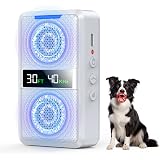
SAMULE Dog Bark Deterrent Device, Smart Anti Barking Device for Dogs | Ultrasonic Bark Box with 3 Frequency Settings, Outdoor Indoor 30FT Range Type-C Barking Silencer for Stop Neighbors Dog Bark
$29.99 (as of October 15, 2026 03:21 GMT +00:00 - More infoProduct prices and availability are accurate as of the date/time indicated and are subject to change. Any price and availability information displayed on [relevant Amazon Site(s), as applicable] at the time of purchase will apply to the purchase of this product.)
JLab Go Air Pop+ Earbuds, Dual Connect, EQ3 Sound, Black
$19.99 (as of October 15, 2026 03:21 GMT +00:00 - More infoProduct prices and availability are accurate as of the date/time indicated and are subject to change. Any price and availability information displayed on [relevant Amazon Site(s), as applicable] at the time of purchase will apply to the purchase of this product.)
Hamster Ball for Cats, Cat Hamster Ball for Outside, Outdoor cat Ball, 17″ | Rolling Catio Outdoor Cat Enclosure, Foldable Breathable Mesh Pet Playpen with Zipper, Portable Lightweight, Lawn & Backyard
(as of October 15, 2026 03:21 GMT +00:00 - More infoProduct prices and availability are accurate as of the date/time indicated and are subject to change. Any price and availability information displayed on [relevant Amazon Site(s), as applicable] at the time of purchase will apply to the purchase of this product.)














Post Comment