
Delcy Rodríguez’s Bold US Oil Deal Sparks Fierce Backlash—What It Means for Global Energy Markets and Your Investments

So, Venezuela just handed the U.S. the keys to nearly a fifth of its oil empire—on a silver platter, no less—and let’s just say, the home crowd isn’t exactly throwing a ticker-tape parade. Acting President Delcy Rodríguez sealed a jaw-dropping oil agreement with Washington on August 28, 2026, mere hours after President Trump’s big reveal. This deal? It hands American interests 55% effective control over 17 oil fields with a whopping 65 billion barrels of proven reserves, about 22% of Venezuela’s entire stash. And get this—the lease runs a whopping 100 years. Yeah, a century-long handshake… talk about a long-term gamble!
Now, does anyone else think that’s a bit like lending out your family heirloom and hoping it comes back in one piece? There’s a storm brewing over who actually has the authority to ink a deal this massive, especially given the political upheaval that handed Rodríguez power after Maduro’s capture by US forces earlier this year. This isn’t just about oil; it’s a seismic shift touching on sovereignty, economics, and some complex geopolitics that could rattle OPEC and beyond. Buckle up, this one’s got layers. LEARN MORE

Venezuela just handed the United States the keys to roughly a fifth of its oil kingdom, and not everyone back home is celebrating.
Acting President Delcy Rodríguez confirmed a sweeping oil agreement with Washington on August 28, 2026, hours after President Donald Trump announced it from the American side. The deal gives US interests 55% effective control over oil output across 17 strategic fields containing an estimated 65 billion barrels of proven reserves, about 22% of Venezuela’s total. The development lease runs for 100 years.
What the deal actually looks like
The arrangement is structured as a public-private venture, with projected private investment exceeding $100 billion. In return, Venezuela stands to collect more than $209 billion in tax revenue over the life of the concession. Rodríguez called it a “historic milestone” and framed it as the catalyst for economic recovery, infrastructure rebuilding, and the revival of a petroleum industry that has spent years in freefall.
Venezuela holds the world’s largest proven oil reserves, sitting on roughly 300 billion barrels total, which means the fields covered by this agreement represent about 22% of the national endowment.
Hard-liners, economists, and opposition figures have slammed the deal from multiple angles. The most pointed criticism centers on whether Rodríguez even has the constitutional authority to bind the nation to a commitment this large. She assumed power after Nicolás Maduro was captured by US forces in January 2026. Critics argue that the 100-year concession term echoes extractive arrangements Latin American nations spent the better part of the 20th century unwinding, and that the fiscal take per barrel is historically unfavorable compared to what resource-rich nations typically negotiate in modern petroleum agreements.
The sovereignty question
Venezuela’s oil sector has been a flashpoint for national identity politics since the early 2000s, when Hugo Chávez nationalized foreign oil operations and turned PDVSA, the state oil company, into a tool of government policy. Rodríguez’s authority derives from a chain of events that began with the US-led capture of Maduro, and signing a century-long resource concession with the very country that removed the previous president has drawn criticism on constitutional grounds. Resource concessions of this magnitude typically require legislative approval, and the current status of Venezuela’s National Assembly makes the legal landscape contested.
Market and geopolitical implications
Venezuela’s output has cratered over the past decade due to mismanagement, underinvestment, and successive rounds of US sanctions. At its peak, the country produced over 3 million barrels per day. Analysts have noted that increased Venezuelan production could put downward pressure on US gasoline prices. The deal could also reshape competitive dynamics among major oil-producing nations, particularly within OPEC, where Venezuela has historically been a member but has wielded diminishing influence as its output collapsed.
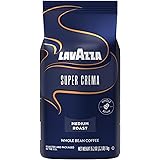
Lavazza Super Crema Whole Bean Coffee, Medium Espresso Roast, Arabica and Robusta Blend, 2.2 lb Bag, Package May Vary (Pack of 1)
$26.99 (as of October 12, 2026 03:09 GMT +00:00 - More infoProduct prices and availability are accurate as of the date/time indicated and are subject to change. Any price and availability information displayed on [relevant Amazon Site(s), as applicable] at the time of purchase will apply to the purchase of this product.)
Calming Chews for Dogs 200ct Anxiety and Stress Relief Melatonin Chicken | Anxiety and Stress Relief Treats Melatonin Sleep Aid for Small/Medium/Large Dog Separation, Fireworks, Thunder, Barking
$22.99 (as of October 12, 2026 03:21 GMT +00:00 - More infoProduct prices and availability are accurate as of the date/time indicated and are subject to change. Any price and availability information displayed on [relevant Amazon Site(s), as applicable] at the time of purchase will apply to the purchase of this product.)
Aidoly 54 Inch Cat Tree Tower with Sisal Scratching Posts, Multi-Level | Cat Tower with Climbing Ladder, Play Toy Balls House for Indoor Cats, Grey
$36.84 (as of October 12, 2026 03:21 GMT +00:00 - More infoProduct prices and availability are accurate as of the date/time indicated and are subject to change. Any price and availability information displayed on [relevant Amazon Site(s), as applicable] at the time of purchase will apply to the purchase of this product.)
The Farmer's Dog Human-Grade Crunchy Dog Biscuits, Peanut Butter & Pumpkin | All-Natural Dog Treats Made with Real Ingredients For Puppies and Adult Dogs, For All Ages, Sizes and Breeds
$10.11 (as of October 12, 2026 03:21 GMT +00:00 - More infoProduct prices and availability are accurate as of the date/time indicated and are subject to change. Any price and availability information displayed on [relevant Amazon Site(s), as applicable] at the time of purchase will apply to the purchase of this product.)













Post Comment