
FeedBuzzard Ads: The Hidden Pitfalls Killing Your ROI—And How to Outsmart Them Before You Spend Another Dollar
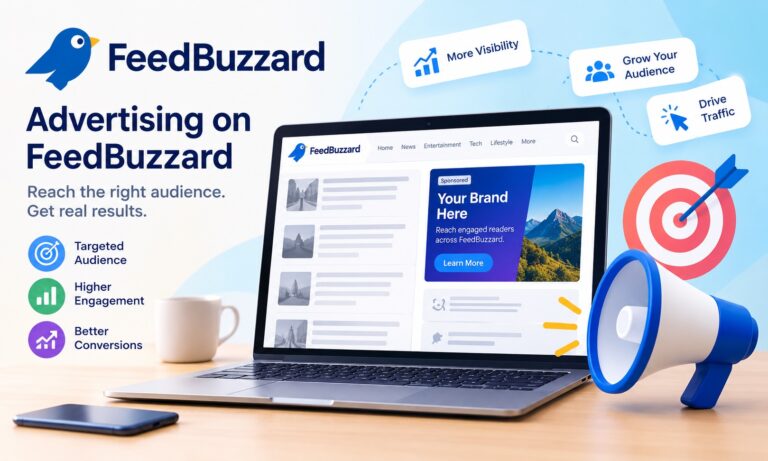
Before you drop a single rupee or dollar on what’s been hyped as “FeedBuzzard advertising,” ask yourself this: Are you buying into a shiny self-serve ad platform, or just another content site dressed up to look like one? I’ve seen plenty of “advertising guides” out there, all singing the same tune—smart targeting, real-time dashboards, flexible pricing—you name it. But how much of that actually stands up to scrutiny? Spoiler alert: not much. FeedBuzzard.com is a WordPress blog with a mixed bag of topics and no clear ad platform to speak of. So, what’s really going on behind the scenes? In this guide, I’m pulling back the curtain to reveal what FeedBuzzard is, where the “ad platform” story falls flat, and crucially, what you can realistically expect to buy. Plus, I’ll share the essential principles that drive ROI when working with any small publisher or feed-based ad placement. Curious if your next advertising dollar is well-spent or just tossed into the wind? Let’s dive in. LEARN MORE
efore you spend a rupee or a dollar on “FeedBuzzard advertising,” check what you are actually buying: FeedBuzzard.com is a content website, and most of what you’ll read about its “ad platform” can’t be verified.
Search for “advertising FeedBuzzard” and you’ll find dozens of near-identical articles. They describe smart targeting, real-time dashboards, flexible CPC and CPM pricing, and a beginner-friendly campaign builder. Many read like they were written from the same brief.
This guide takes a different route. It looks at what FeedBuzzard visibly is, where the popular claims fall apart, what you can realistically buy there, and the fundamentals that decide ROI on any small publisher or feed-based placement.
What Advertising on FeedBuzzard actually is?

FeedBuzzard.com is a WordPress blog built on a commercial news theme. Its homepage pitches tech, world tech and wearable gadgets, and its menu carries just six links: Home, Tech, World Tech, Wearable Tech, About Us and Contact.
The article archive is far broader than the tagline. Alongside gadget explainers, its categories include Casino Bonuses, Online Gaming, Gaming, Pokemon, Fitness Trackers and Businesses. Recent posts cover slots strategy, crypto, debt consolidation, vape comparisons and law firms, which is the typical mix of a site that sells sponsored articles.
The site does publish a post titled “How To Advertise With FeedBuzzard” (June 2026). It describes native cards, banners, video, real-time bidding, lookalike audiences, CPM/CPC/CPI pricing and an asset manager. But it is a roughly three-minute blog article, not a sales page. During our review we found no sign-up button, no advertiser login, no media kit and no rate card linked from it.
Why the “ad platform” story doesn’t add up
No single red flag proves anything, but together they mean you should treat FeedBuzzard as a small publisher, not as an ad network like Google Ads or Meta.
| What the articles claim | What we could actually see |
|---|---|
| A self-serve dashboard with real-time analytics | No advertiser login, sign-up flow or demo anywhere on the site |
| Clear, flexible pricing | No public rate card; one third-party post quotes a CPM of about $4.20 with no source |
| An established company | The footer address reads “222 Haloria Crossing, Vrentis Point, HV 12345”, which looks like placeholder text |
| A consistent product | Third-party write-ups disagree: one calls it a news aggregator, another a native ad tool, another a blog-plus-ads hybrid |
| A focused tech audience | The archive mixes tech with casino, betting, crypto and loan content |
The pattern matters. Brand-name keywords like “advertise feedbuzzard” attract searchers, so many sites publish generic guides around them. Those guides tend to repeat each other’s claims rather than test them.
None of this makes FeedBuzzard a scam. It means the burden of proof sits with the seller, and you should ask for evidence before you pay.
What you can realistically buy
On a site like this, “advertising” usually means one of three deals, arranged by email with the site owner or a link-selling agency.
| Placement | What you get | Good for | Main risk |
|---|---|---|---|
| Sponsored article | A post about your product, often with one or two links | A permanent page that may rank in search | Low real readership; Google may ignore or penalize paid links not marked sponsored |
| Link insertion | Your link added to an existing article | Cheap referral path | Almost no traffic; same link-policy risk |
| Display banner | A banner on article pages or the sidebar | Simple awareness test | Impressions you can’t verify without your own tracking |
If your goal is backlinks, judge the site as an SEO asset: topical relevance, real organic traffic and whether links are tagged rel=”sponsored”. If your goal is customers, judge it purely on tracked visits and conversions.
A vetting checklist before you pay
Use this list for FeedBuzzard or any small publisher. If the seller can’t clear most of it, walk away.
- Ask for a media kit with monthly visitors, top countries and device split
- Ask for a screenshot of their analytics (Google Analytics or similar), dated within the last 30 days
- Cross-check traffic with an independent estimator such as Similarweb, Semrush or Ahrefs
- Read 5 recent articles and judge whether real people would read them and whether the topic fits your product
- Confirm in writing how long a sponsored post stays live and whether links are marked sponsored
- Get a written price, placement and start date before paying
- Pay by a method with buyer protection, never crypto or untraceable transfer
- Start with one small test, not a bundle or a long-term package
- Put UTM tags on every link so you can measure results yourself
Feed-based advertising fundamentals that drive ROI
The real idea behind the FeedBuzzard hype is sound: ads placed inside content feeds, styled to match what’s around them, tend to annoy people less than interruptive banners. That works on any credible native or feed placement, from Meta and LinkedIn feeds to Taboola, Outbrain or a niche newsletter.
What separates profitable feed campaigns from wasted ones:
- Match the feed’s tone. A native ad that looks like a hard sell breaks the illusion. Lead with something useful or interesting, then make the offer.
- Send clicks somewhere that keeps the promise. If the ad promises a guide, land people on the guide, not your homepage.
- Target tightly before you scale. Broad audiences inflate clicks and hide poor conversion. Start narrow and widen only what works.
- Test creative constantly. Headline and image drive most feed performance. Run at least 2 to 3 variants per placement.
- Optimize for conversions, not clicks. Cheap clicks from curious scrollers can cost more per sale than expensive, intent-rich ones.
- Label sponsored content clearly. It is required by advertising rules in many markets (including India’s ASCI guidelines and the US FTC), and hidden ads damage trust when discovered.
Measuring ROI: the metrics and a simple test
A placement is worth repeating only if the profit it brings exceeds what it cost. Track these numbers yourself, through UTM-tagged links and your own analytics, rather than relying on the seller’s report.
| Metric | Formula | What it tells you |
|---|---|---|
| Click-through rate (CTR) | clicks ÷ impressions | Is the creative earning attention? |
| Conversion rate | conversions ÷ clicks | Does the landing page deliver? |
| Cost per acquisition (CPA) | spend ÷ conversions | What one customer costs |
| Return on ad spend (ROAS) | revenue ÷ spend | Revenue per unit of spend |
| Profit ROI | (gross profit − spend) ÷ spend | Whether you actually made money |
Worked example (hypothetical). You pay $300 for a sponsored post. It sends 400 tracked visitors, 2% buy, and your average order is $60.
- Conversions: 400 × 2% = 8 sales
- Revenue: 8 × $60 = $480, so ROAS = 1.6
- At a 50% gross margin, gross profit = $240
- Profit ROI: ($240 − $300) ÷ $300 = −20%
A ROAS of 1.6 looks positive but loses money once margin is counted. Break-even ROAS is 1 ÷ gross margin, so 2.0 here. Judge every test against that line.
A sensible test plan: run one placement for 2 to 4 weeks, track it with UTMs, compare its CPA to your existing channels, and only then decide whether to buy again.
Common mistakes
- Trusting review articles about the platform. Many are SEO content written around a brand keyword, not first-hand tests.
- Paying for a bundle upfront. A 10-post package from an unproven site multiplies the risk of a single bad buy.
- Measuring with the seller’s numbers. Use your own analytics and UTM tags; screenshots can be selective.
- Ignoring audience fit. A post about your SaaS tool sitting between casino and loan articles may hurt your brand more than it helps.
- Chasing clicks instead of profit. Count margin, not just revenue, before calling a test a win.
- Scaling a test too quickly. Fix creative and landing pages first; more budget amplifies whatever is broken.
Conclusion
FeedBuzzard is best understood as a small, broad-topic publisher that sells placements, not as a self-serve ad platform with targeting and real-time dashboards. That doesn’t rule it out, but it changes how you should buy: verify traffic, insist on clear terms, start with one tracked test and judge it on profit.
The lessons travel well beyond this one site. Feed-based and native ads can work, but ROI comes from tight targeting, honest creative, landing pages that deliver, and your own measurement. Better advertising rarely comes from spending more; it comes from checking more before you spend.
Frequently asked questions
What is FeedBuzzard advertising?
It usually means buying a sponsored post, link or banner on FeedBuzzard.com, a WordPress blog covering tech and many other topics. We could not find a self-serve ad platform on the site.
Does FeedBuzzard have a self-serve dashboard or CPC/CPM pricing?
Its own blog post says so, but no sign-up, login or rate card is linked from it. Ask the site directly for proof before you budget around those claims.
Is FeedBuzzard legitimate?
It is a real, active website. Whether a placement is worth paying for depends on verified traffic and audience fit, which you should confirm with the checklist above.
How much does it cost?
There is no public price list. One third-party article cites a CPM of about $4.20, but gives no source, so treat any figure as negotiable until quoted in writing.
What should I use instead if I want feed-based ads?
Platforms with self-serve tools and verifiable reporting, such as Meta, LinkedIn, Google’s Demand Gen, Taboola or Outbrain, or newsletters that share audited subscriber numbers.
Which metrics matter most?
CPA and profit ROI. CTR and conversion rate help you diagnose problems, but only profit tells you whether to buy again.
<!–
–>
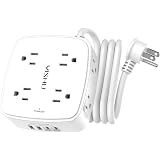
YISHU 6Ft Surge Protector Power Strip with 8 Widely Outlets & 4 USB Ports | 3 Side Outlet Extender with 6 Feet Extension Cord, Flat Plug, for Home, Office, College Dorm Room Essentials
$9.98 (as of October 21, 2026 03:22 GMT +00:00 - More infoProduct prices and availability are accurate as of the date/time indicated and are subject to change. Any price and availability information displayed on [relevant Amazon Site(s), as applicable] at the time of purchase will apply to the purchase of this product.)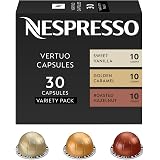
Nespresso Vertuo, Barista Flavored Pack, Medium Roast, 30-Count Coffee Pods | Medium-Roast Coffee Capsules, Caramel, roasted hazelnut and sweet vanilla flavors
$42.00 (as of October 21, 2026 03:12 GMT +00:00 - More infoProduct prices and availability are accurate as of the date/time indicated and are subject to change. Any price and availability information displayed on [relevant Amazon Site(s), as applicable] at the time of purchase will apply to the purchase of this product.)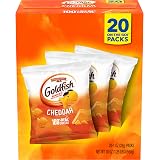
Goldfish Cheddar Cheese Crackers, Baked Snack Crackers, 1 oz On-the-Go Snack Packs, 20 Count Box
$8.76 (as of October 21, 2026 03:12 GMT +00:00 - More infoProduct prices and availability are accurate as of the date/time indicated and are subject to change. Any price and availability information displayed on [relevant Amazon Site(s), as applicable] at the time of purchase will apply to the purchase of this product.)
Organic Banana Bunch (4-5 Count)
(as of October 21, 2026 03:12 GMT +00:00 - More infoProduct prices and availability are accurate as of the date/time indicated and are subject to change. Any price and availability information displayed on [relevant Amazon Site(s), as applicable] at the time of purchase will apply to the purchase of this product.)













Post Comment