
Trump Drops a Bombshell: Why Data Center Giants Might Soon Owe Your Community a Massive Payday—Are You Ready to Cash In?

Ever wonder what it takes to get your neighbors to cheer for a data center popping up next door? Donald Trump tossed a curveball in late 2026, suggesting that maybe—just maybe—if data center operators paid a “dividend” to the communities hosting their humongous, power-guzzling facilities, we’d all be better off. It’s a fresh spin on an old problem: how to make these tech behemoths less of a headache for locals who worry about noise, lights, and skyrocketing energy bills. Sure, it sounds like a shiny solution, but the details? They’re as fuzzy as a startup’s business plan before it lands venture capital. Could a payout really turn the tide of neighborhood skepticism? Or is it just another buzzword volley in the fight for AI supremacy and economic growth? Let’s dig into what’s being proposed—and what it might mean for everyone caught in the crosshairs of progress. LEARN MORE
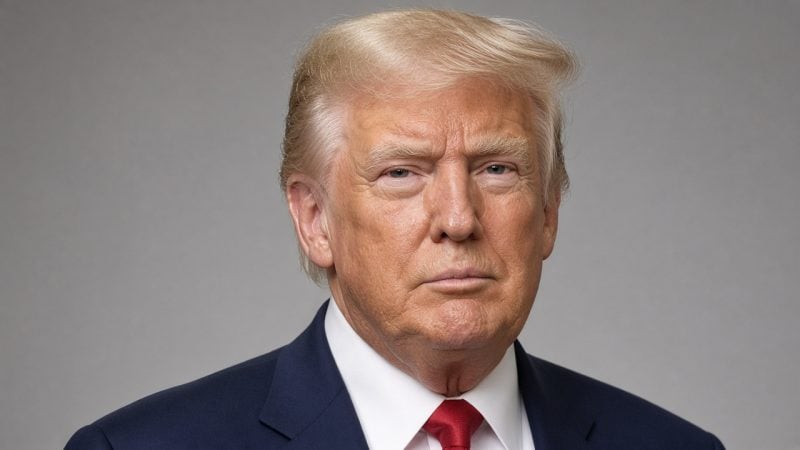
Donald Trump has an idea for fixing the AI industry’s neighbor problem: pay the neighbors.
In remarks made around October 20, 2026, Trump said data center operators should pay a “dividend” to the communities that host their facilities. He described it as a way to make the buildings more popular with the people who live near them.
What Trump actually proposed
Trump framed the payments as a tool for winning public support. The logic is that people who see a direct return are less likely to fight a project in their backyard.
He paired the dividend idea with a second point: companies should generate their own electricity. Trump presented this as a way to address environmental concerns tied to the facilities.
The October remarks were not his first pass at the concept. On September 29, 2026, Trump floated community dividends alongside bonuses for teachers in areas that host data centers.
Across those comments, he has cast local opposition as a threat to economic prosperity. He has suggested that areas resisting data center development could end up “backwards and poor.”
Trump has also argued that resistance comes from a misunderstanding of what the facilities bring to local economies.
The latest remarks stop short of a concrete plan. They do not define a specific policy, name participating companies, or lay out a confirmed funding mechanism.
A tough crowd
The pitch lands in front of a skeptical public. A series of 2026 polls found that approximately 70% of Americans oppose having data centers near their homes.
Polling from Gallup and NBC News put opposition to nearby data centers at 69-70%.
The objections tend to cluster around three issues. Residents worry about how much energy the facilities consume, how much land they occupy, and what they do to local infrastructure.
Trump has framed data center expansion as critical to US economic competitiveness and tied the buildout to American leadership in artificial intelligence.
What this means for operators and communities
For communities, the open questions are the ones that would decide whether this is meaningful. Who would receive the money, how it would be calculated, and whether it would be voluntary or required all remain undefined.
The next signals to watch are whether the suggestion turns into formal policy, and whether any major operators volunteer to adopt it.

WOOF Pupsicle Peanut Butter & Beef Refill Pops Dog Treats, Large, 7 Count | For large Pupsicles, peanut butter & beef flavor, long-lasting treats, pre-made Pops, wholesome ingredients, shelf stable
$14.99 (as of October 21, 2026 03:12 GMT +00:00 - More infoProduct prices and availability are accurate as of the date/time indicated and are subject to change. Any price and availability information displayed on [relevant Amazon Site(s), as applicable] at the time of purchase will apply to the purchase of this product.)
OURA Ring 5 Sizing Kit - Size Before You Buy | Unique Sizing, Not Standard Ring Sizing - Receive Amazon Credit for Oura Ring 5 Purchase
$10.00 (as of October 21, 2026 03:22 GMT +00:00 - More infoProduct prices and availability are accurate as of the date/time indicated and are subject to change. Any price and availability information displayed on [relevant Amazon Site(s), as applicable] at the time of purchase will apply to the purchase of this product.)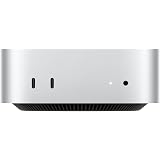
Apple 2026 Mac mini Desktop Computer M6 chip | 12‑core CPU and 12‑core GPU, 16GB Unified Memory, 256GB SSD Storage
$779.00 (as of October 21, 2026 03:33 GMT +00:00 - More infoProduct prices and availability are accurate as of the date/time indicated and are subject to change. Any price and availability information displayed on [relevant Amazon Site(s), as applicable] at the time of purchase will apply to the purchase of this product.)
Olcorife Flat Plug Power Strip with 5 FT Extension Cord, 6 Outlets 3 USB Ports(1 USB C), 3 Sided Outlet Extender for Home Office Travel Dorm Room Essentials, White
$9.99 (as of October 21, 2026 03:22 GMT +00:00 - More infoProduct prices and availability are accurate as of the date/time indicated and are subject to change. Any price and availability information displayed on [relevant Amazon Site(s), as applicable] at the time of purchase will apply to the purchase of this product.)











Post Comment