
How I Transformed My Body and Mind at 36 to Become a CrossFit and HYROX Powerhouse—And How You Can Too
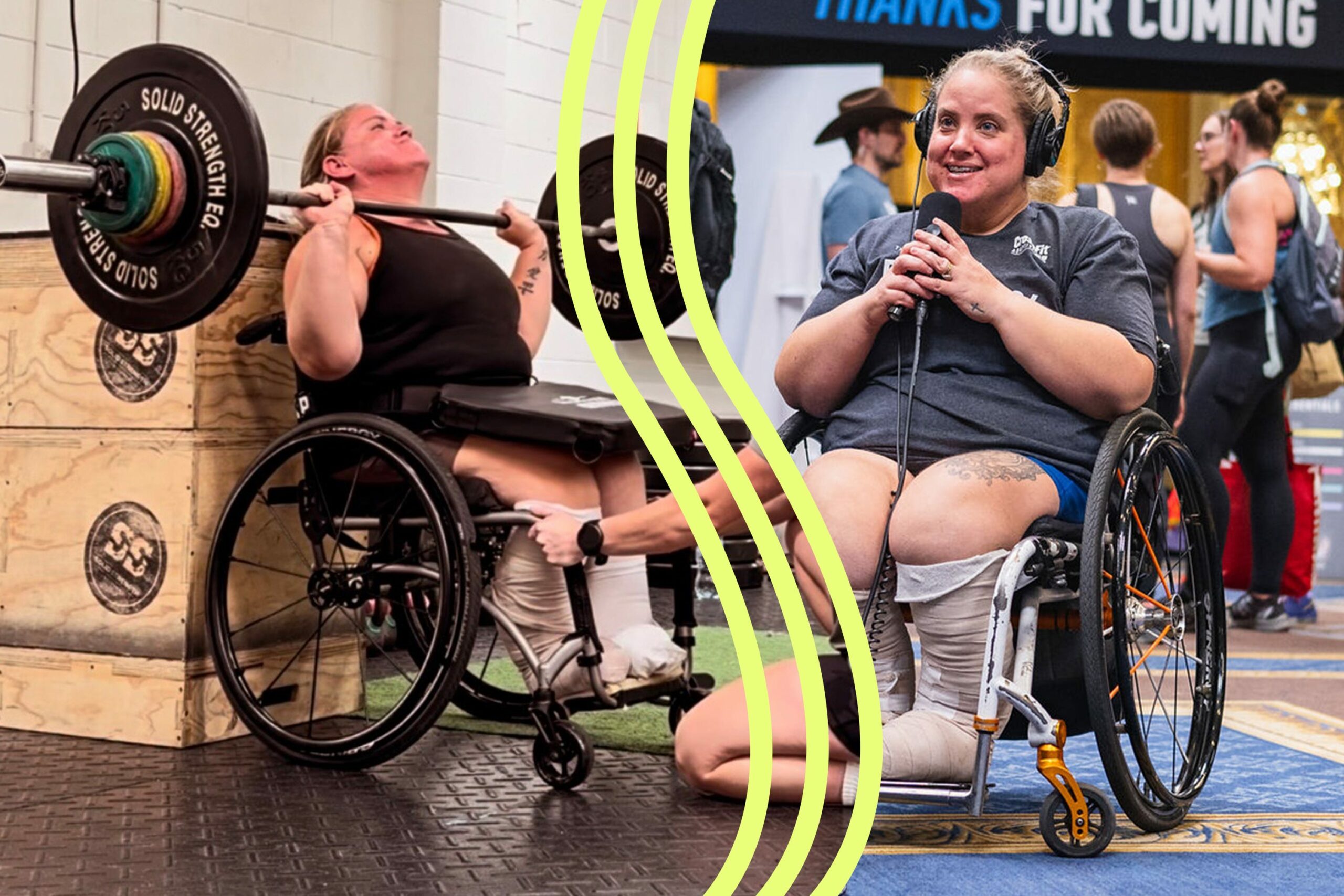
Ever wondered what it really takes to shatter expectations and redefine strength? Imagine competing on the world stage in CrossFit and HYROX races—not running on two legs, but propelling yourself powerfully from a wheelchair. That’s exactly the journey I’ve been on. Born with spina bifida, I’ve battled through doubt, health setbacks, and over 15 years of inactivity to become an adaptive athlete who now pushes limits and racks up victories across continents. From gaining confidence in a local gym to crushing international competitions, my story is about more than fitness—it’s about resilience, community, and the relentless pursuit of possibility. Ready to dive into how I made this transformation and what my training looks like today? LEARN MORE
 6 min read
I’m an adaptive athlete who’s competed all around the world as a wheelchair user in the CrossFit Games and HYROX races, which combine running with functional workout stations. I’m also a run club enthusiast planning to run a half-marathon in the future. But it took a lot of time, training, and determination to get where I am today.
I was born with spina bifida, a condition where the spine and spinal cord don’t develop the way they’re supposed to. Because of that, I have nerve damage that affects movement and muscle development in my legs, so I’ve used a wheelchair for most of my life. But I’ve never let it define who I am or what I’m capable of—especially when it comes to exercise.
As a kid, competitive swimming became my outlet for feeling strong. But by the time I hit my mid-20s, life got busy, and before I knew it, I’d gone more than 15 years without being active. I’d gained weight and was dealing with a handful of chronic health conditions and medical issues, and it all started to wear on me mentally. I had no self-confidence, was uncomfortable in my own skin, and felt lost.
At 36, I decided to work towards losing weight to improve some of my medical conditions and overall health. So, I joined a local gym and started going to strength-training bootcamp-style classes a few times a week because I liked the idea of a coach guiding me through workouts. I also connected with a personal trainer at the gym to help me build muscle and improve my functional strength in a more personalized way. That way, I’d get through everyday movements with less fatigue. The workouts were tough at first, but little by little, I was able to lift more weight, do more reps, and push myself further than I ever thought was possible.
One year later, I got into CrossFit after a personal trainer I had previously worked with encouraged me to join a nearby CrossFit gym. I loved that CrossFit combined cardio and strength training, and that it prioritized functional movements as well as personal progress. It kept me motivated and inspired, and made it fun to track my hard work. But the community is what really got me—everyone was so supportive, and I was treated just like every other athlete. From then on, I continued working with my trainer three times a week, and on the other days, I was all in on CrossFit.
After a year and a half, I lost 40 kilograms (roughly 88 pounds), but also became strong enough to press a barbell overhead and pull myself up and out of my chair on the gymnastics rings. My confidence skyrocketed, and I wanted to prove to myself (and others) that I was a strong, capable athlete. So, I began competing in CrossFit competitions across New Zealand, where I’m from, and in Australia. Last year, I even qualified for the 2025 Adaptive CrossFit Games in the United States and placed sixth in the world.
Here’s what my training routine looks like now, and what I’ve learned along the way.
Today, at 38, I focus on hybrid and strength training in preparation for CrossFit competitions and HYROX races.
I still deal with chronic health issues, so my weekly training schedule changes depending on how I’m feeling. On average, though, I aim to do three days of CrossFit and two days of training per week with a new personal trainer who specializes in adaptive athletes and helps refine my form. My CrossFit workouts are usually structured around barbell cleans, overhead presses, rope climbs, and pull-ups. There’s usually a specific workout of the day (WOD) like completing wall ball throws, overhead dumbbell presses, and sit-ups as many times as possible (AMRAP) in 10 minutes.
Two years ago, I also started competing in HYROX races to challenge myself with a new endurance format. Some of the stations include the ski erg and wall balls (which I complete from my wheelchair), along with sled pulls where the weight is attached to the back of my chair. There’s also eight kilometers (five miles) of running total, which I do by using my upper-body strength to push my wheelchair at faster speeds.
So, my training also involves running three days a week. A year and a half ago, when I first started, it took me 45 minutes to run one km (roughly 0.6 miles). But now, after months of training, I can run nine km (about 5.5 miles) in an hour, which I’m super proud of. Improving my cardiovascular fitness has also made a huge impact on my stamina and overall endurance, both in and out of the gym.
These three factors were key to my strength transformation:
1. I learned to treat myself like an athlete.
Before I started this journey, I used to deal with a lot of negative thoughts; I was so self-conscious that the thought of being seen in the gym made my whole body tense up. I worried people would only see me as the girl in the wheelchair, when I wanted to be seen just as any other strong, badass athlete. Plus, when someone complimented me, I was quick to point out everything I thought I had done wrong, couldn’t do, or could have done better. I struggled to accept positive feedback, often defaulting to self-criticism instead of feeling proud of my accomplishments.
But now, I’ve learned to celebrate my progress and honor my wins, no matter how small. It took time to work through those negative thoughts, but everything started to shift when I actually began to see—and treat—myself like the athlete I am.
A big part of that came from the people around me. By leaning on my community and working with mentors, coaches, and a psychologist, I learned how to quiet the inner critic and give myself credit for how far I’d come. That shift unlocked a whole new level of confidence that carried over into every part of my training and life. There’s no one way an athlete should look, and I’ve learned that strength shows up in so many different forms.
2. I built a supportive community that now feels like family.
When I first started CrossFit, the environment is what pulled me in, and now, years later, it’s still one of the main reasons I keep showing up. As an adaptive athlete, people often view me through the lens of my disability, but my CrossFit community knows—and constantly reminds me—that I am so much more. They see my effort, progress, and potential, and that kind of support has genuinely changed my life. The gym and CrossFit box (which is the CrossFit word for gym) that I belong to have become second homes.
Through all of this, I’ve also met some of the most amazing adaptive athletes at CrossFit and HYROX competitions. We share similar challenges and wins, along with a real understanding of what it takes to get where we are. Connecting with others who understand that experience has been incredible, and I’m so grateful for it.
3. I don’t let my disability define me.
Living with a disability comes with its highs and lows, but it does not define who I am. For my entire life, I’ve had doctors tell me what I wouldn’t be able to do. But I’ve learned to focus more on what I can do, build, and prove to myself, which is why I began entering competitions. From placing sixth in the world at the 2025 Adaptive CrossFit Games, to crossing the finish line in multiple international HYROX races, I have consistently pushed my limits by adapting each event to my capabilities and finding ways to perform at an elite level.
My hope is to rewrite the narrative, not just for myself, but for people of all abilities. I want others to see that strength doesn’t look one specific way, and that being an athlete isn’t limited by how you move through the world. Because at the end of the day, I’m not here to fit into expectations—I’m here to keep pushing past them.
Andi Breitowich is a freelance writer who covers health, fitness, relationships, beauty, and smart living. She is a graduate of Emory University and Northwestern University’s Medill School of Journalism. Her work has appeared in Women’s Health, POPSUGAR, Food & Wine, What To Expect, Cosmopolitan, Men’s Health, and elsewhere. As a former collegiate pole vaulter, she loves all things fitness and has yet to meet a group workout class she doesn’t like.

PUR Gum, Spearmint, Xylitol Gum, No Artificial Flavor, 165 Count (3x55) | No Artificial Sweeteners, Vegan, Sugar Free, Gluten Free, Soy Free, Nut & Peanut Free, Swiss Made, Keto Friendly chewing gum
$11.40 (as of October 14, 2026 03:09 GMT +00:00 - More infoProduct prices and availability are accurate as of the date/time indicated and are subject to change. Any price and availability information displayed on [relevant Amazon Site(s), as applicable] at the time of purchase will apply to the purchase of this product.)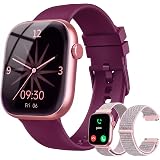
Smart Watch for Women, Bluetooth Answer/Make Calls, 1.83"HD Screen, 2 Bands | IP67 Waterproof Fitness Tracker, Heart Rate/Sleep Monitor, DIY Dial, Multi-Sport Modes Pedometer, Smartwatch for iOS/Android
$34.98 (as of October 14, 2026 03:32 GMT +00:00 - More infoProduct prices and availability are accurate as of the date/time indicated and are subject to change. Any price and availability information displayed on [relevant Amazon Site(s), as applicable] at the time of purchase will apply to the purchase of this product.)
Purina Fancy Feast Gravy Lovers, Poultry & Beef Wet Cat Food, 3oz, 24-Pack | Variety Pack, grilled gourmet texture made with no artificial colors or preservatives, 100 percent complete and balanced
$22.86 (as of October 14, 2026 03:11 GMT +00:00 - More infoProduct prices and availability are accurate as of the date/time indicated and are subject to change. Any price and availability information displayed on [relevant Amazon Site(s), as applicable] at the time of purchase will apply to the purchase of this product.)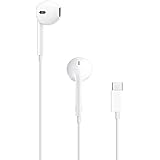
Apple EarPods Headphones with USB-C Plug, Wired Ear Buds with Built-in Remote to Control Music, Phone Calls, and Volume
$19.00 (as of October 14, 2026 03:21 GMT +00:00 - More infoProduct prices and availability are accurate as of the date/time indicated and are subject to change. Any price and availability information displayed on [relevant Amazon Site(s), as applicable] at the time of purchase will apply to the purchase of this product.)










Post Comment