
Is Cyclosporiasis Hiding in Your Food? 6 Shocking Answers You Need Before It’s Too Late
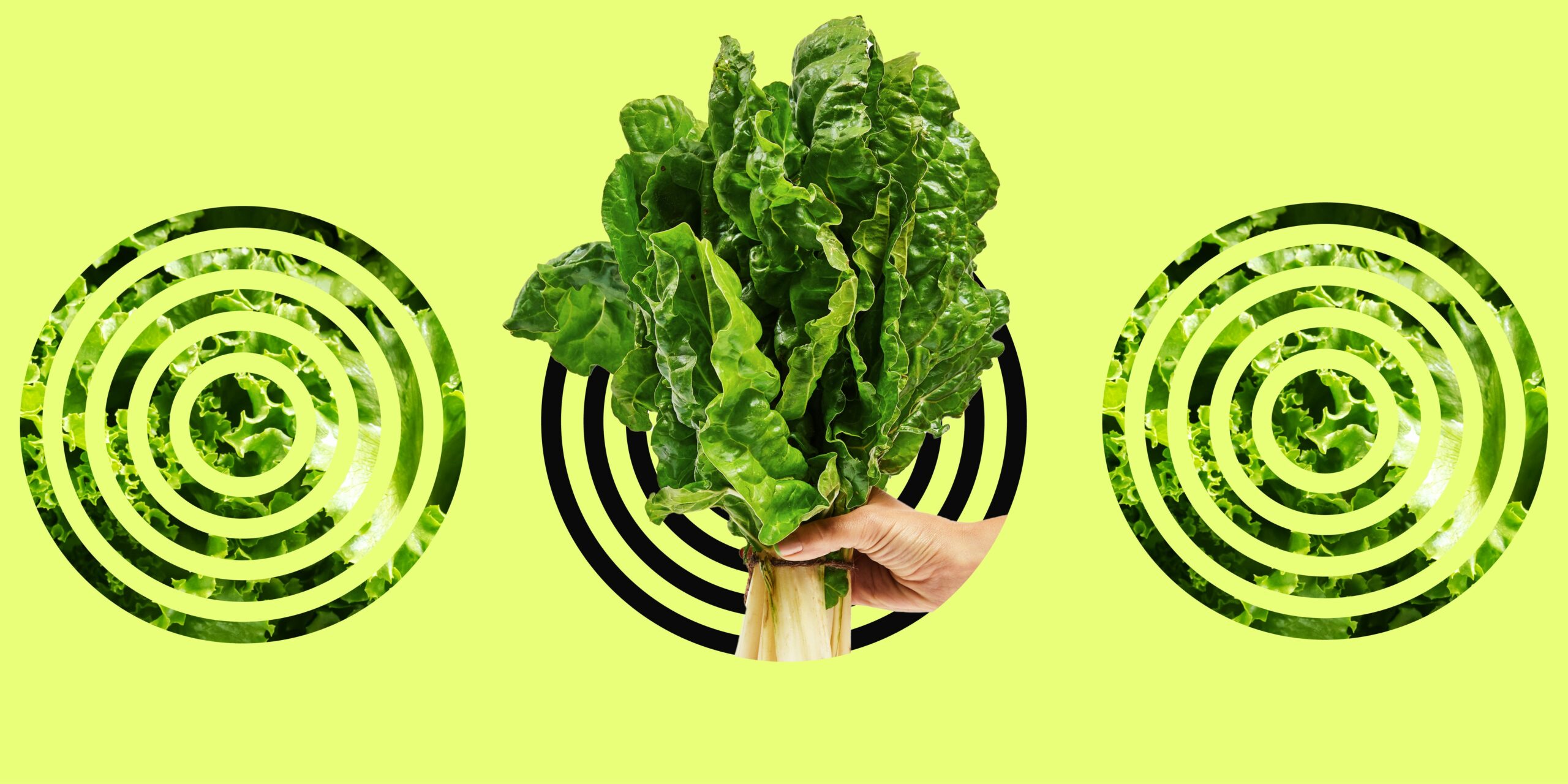
Ever found yourself giving the produce aisle a second, suspicious glance lately? You’re not alone. Lettuce—yes, that innocent-looking shredded iceberg—has recently become the center of a foodborne illness storm called cyclosporiasis. With over 1,600 confirmed cases tied to Taco Bell locations across five states, it’s enough to make anyone pause before tossing that salad. Now, before you swear off greens for good, let’s dive into what this microscopic culprit, Cyclospora cayetanensis, is really about—how it spreads, what symptoms to watch for, and whether your favorite farmers market haul is actually safer. Oh, and for those wondering if your pool party could turn risky or if Fido is in danger, we’ve got you covered. So, ready to unravel the nitty-gritty behind this outbreak? Stick with me—it’s worth knowing before your next grocery run.
 5 min read
If you’ve been to the grocery store recently, you might have noticed some people side-eyeing the produce section. This heightened caution isn’t without reason—lettuce is currently under investigation for a foodborne illness outbreak: cyclosporiasis. The Centers for Disease Control and Prevention (CDC) has reported 1,644 confirmed domestic cases of cyclosporiasis, with another 5,100 cases still under review. The infections have been “linked to shredded iceberg lettuce served at Taco Bell locations in 5 states,” including Indiana, Kentucky, Michigan, Ohio, and West Virginia.
The bug behind the illness is Cyclospora cayetanensis, a microscopic parasite, per the U.S. Food and Drug Administration (FDA). It is “generally transmitted when infected feces (poop) contaminates food or water,” but it is unlikely to pass person-to-person due to the roughly one-week-long incubation period, they report. Symptoms include nausea, fatigue, and most notably, watery diarrhea.
With all of this parasite news going on, you might wonder what produce to be wary of right now and how you can practice proper food safety. Can the disease be transmitted in the pool? Are pets at risk? And with rising cases of norovirus, how can you tell if you have one infection or the other? We spoke with experts to answer all of these pressing questions and more.
Meet the experts: Amesh A. Adalja, MD, an adjunct assistant professor and infectious disease expert at the Johns Hopkins Bloomberg School of Public Health; Suraj Saggar, DO, a chief of infectious disease at Holy Name Medical Center; Manish N. Trivedi, MD, a director of infectious diseases, co-chair of infection control and prevention, and medical staff president at AtlantiCare; and Vincent Hsu, MD, an infectious disease specialist and infection control officer at AdventHealth.
Q: Can you get cyclosporiasis from a pool?
You are more likely to get the bug from contaminated produce than from pool water, but it’s not impossible, says Vincent Hsu, MD, an infectious disease specialist and infection control officer at AdventHealth.
“The parasite needs to be in the water for several days before it becomes infective, so you cannot get infected from someone else with active Cyclospora diarrhea in the water with you,” Dr. Hsu explains. “From the pool management perspective, strictly ensuring ill swimmers don’t enter the water, along with regular maintenance of the pool with filtering mechanisms, can significantly reduce risk.” He also says to avoid swallowing pool water when swimming.
“Cyclospora—the parasite that causes cyclosporiosis—is very hardy in the environment. It can survive chlorine, which means normal pool chlorination doesn’t reliably kill it. It’s also resistant to routine cleaning and disinfection, which is one reason it’s so difficult to eliminate from contaminated food sources,” says Suraj Saggar, DO, a chief of infectious disease at Holy Name Medical Center.
Of course, the risk varies depending on whose pool it is. “If it’s your own pool and no one is sick, the risk is very low,” Dr. Saggar adds. “Public pools and splash pads, where many people are using the water, would be more likely settings for this type of exposure.”
Q: Do doctors test for cyclosporiasis through a stool sample?
Cyclosporiasis is identified through a stool test, but “because the parasite is not always present in every sample, more than one specimen may occasionally be needed,” according to Manish N. Trivedi, MD, director of infectious diseases, co-chair of infection control and prevention, and medical staff president at AtlantiCare.
A doctor may need to order a special test or use polymerase chain reaction (PCR) to identify the parasite, even if an initial stool test comes back negative.
Q: People are saying both cyclosporiasis and norovirus are going around at the same time. How can you tell if you have cyclosporiasis or norovirus?
“Norovirus is shorter in duration—vomit dominates as well,” Amesh A. Adalja, MD, an adjunct assistant professor and infectious disease expert at the Johns Hopkins Bloomberg School of Public Health, says.
Cyclosporiasis, on the other hand, “tends to start more gradually and is more likely to cause prolonged or recurring watery diarrhea, fatigue, bloating, loss of appetite, and sometimes weight loss,” says Dr. Trivedi.
He adds that symptoms for both can overlap, though, so testing may be necessary to know for sure which infection you have.
Q: Does freezing kill the parasite?
Freezing produce in your household refrigerator cannot kill the parasite, according to Dr. Adalja, but “industrial [freezers] that are capable of lower temperatures” for prolonged periods can.
The amount of time you freeze matters too. “Simply putting food in the freezer for a few hours isn’t enough,” Dr. Saggar says. “The parasite generally needs temperatures around 24 degrees F or lower for 24 to 48 hours to be effectively inactivated.”
To be safe, you’re likely better off using heat. Temperatures of 158 degrees F or higher are known to kill the Cyclospora parasite, according to the Michigan Department of Health and Human Services.
Q: Is the food from a farmers market safe (or safer)?
Dr. Adalja says that the safety of the produce all depends on the farms that the market sources from. “Most domestic farms are not going to irrigate with human feces-contaminated water,” so in theory, it could be a safer option, he says.
However, contamination can occur at many points in the growing, irrigating, harvesting, and handling process, says Dr. Trivedi. “The best approach is to buy from reputable vendors, avoid damaged produce, and wash fruits and vegetables thoroughly under running water. That said, the risk of Cyclospora is less from local vendors because of less likelihood of contamination points,” he adds.
Q: Can pets get cyclospora?
Lucky for your pets, Cyclospora cayetanensis is “an exclusive human pathogen,” Dr. Adalja says. And according to CDC guidance from 2019, “no animal reservoirs for C. cayetanensis have been identified.”
But pets can still carry other germs that cause gastrointestinal illness. “Good handwashing after handling animals or cleaning up after them is always important,” Dr. Trivedi says.
The Bottom Line
As experts have noted before, official guidance from state and national health agencies, such as the CDC, is your best bet for accurate advice during this outbreak.
If you suspect you have cyclosporiasis, contact your doctor for further confirmatory testing and beyond. Cyclosporiasis is a nationally notifiable disease, so if you test positive, your doctor will need to report the case to local and state health departments. Such tracking helps investigators prevent future outbreaks like this.
And if you’re concerned about your particular state, you can also view this regularly updated map from Hearst TV’s Get the Facts Data Team, which features case data from the CDC, the Michigan Department of Health and Human Services, and the Alabama Department of Public Health.
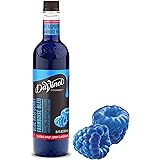
DaVinci Gourmet Classic Blue Raspberry, 25.4 Fluid Ounces (Pack of 1)
$7.99 (as of October 16, 2026 03:09 GMT +00:00 - More infoProduct prices and availability are accurate as of the date/time indicated and are subject to change. Any price and availability information displayed on [relevant Amazon Site(s), as applicable] at the time of purchase will apply to the purchase of this product.)
2 Pack [Apple MFi Certified] USB C Headphones Wired for iPhone 18 17 16 15 | Wired Earbuds with Microphone & Remote Control Noise Cancelling Type C Earphones for iPhone Duo 18 17 16 15 Pro Max, Galaxy
$13.99 (as of October 16, 2026 03:33 GMT +00:00 - More infoProduct prices and availability are accurate as of the date/time indicated and are subject to change. Any price and availability information displayed on [relevant Amazon Site(s), as applicable] at the time of purchase will apply to the purchase of this product.)
Amazon Fire TV Stick 4K (newest model), simple 4K streaming, new Fire TV Remote, all your apps in one place, free & live TV, find shows faster with Alexa+
$59.99 (as of October 16, 2026 03:33 GMT +00:00 - More infoProduct prices and availability are accurate as of the date/time indicated and are subject to change. Any price and availability information displayed on [relevant Amazon Site(s), as applicable] at the time of purchase will apply to the purchase of this product.)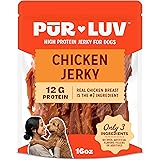
Pur Luv Dog Treats, Chicken Jerky Dog Treat with Real Chicken Breast, 16 oz | High protein and low fat, Limited ingredient recipe, No artificial flavors or preservatives, Satisfies instinct to chew
$14.09 (as of October 16, 2026 03:11 GMT +00:00 - More infoProduct prices and availability are accurate as of the date/time indicated and are subject to change. Any price and availability information displayed on [relevant Amazon Site(s), as applicable] at the time of purchase will apply to the purchase of this product.)














Post Comment