
Unlock the Secret Power of Your Morning Coffee: How It Could Be Protecting Your Liver in Ways You Never Imagined
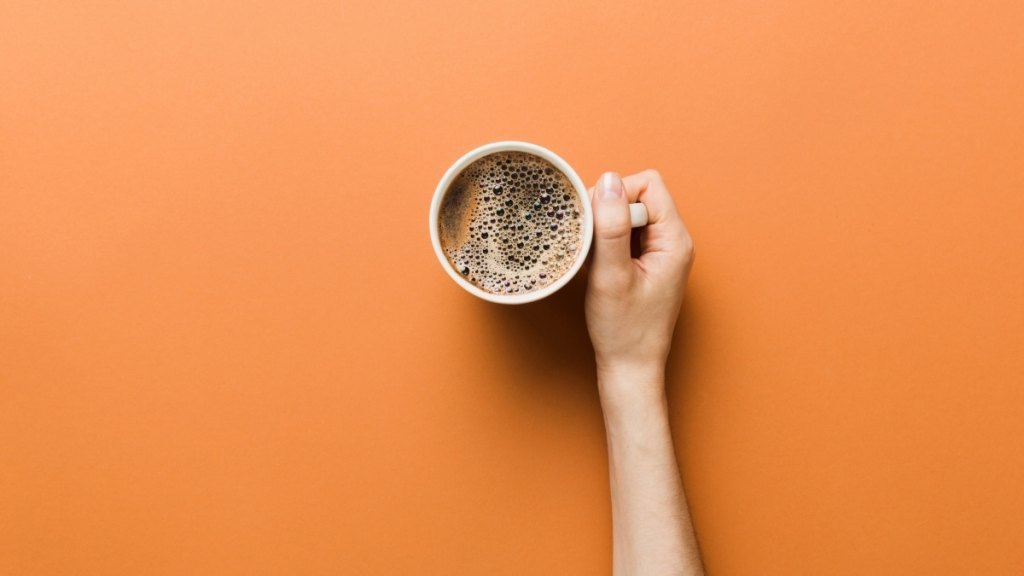
Ever caught yourself wondering if your beloved morning brew is secretly a superhero for your liver? Well, hold onto your mugs, because science just brewed up some fascinating news! With fatty liver disease creeping up more than we’d like, many of us are scrutinizing what hits our plates—and apparently, what fills our cups counts too. Believe it or not, that modest daily coffee habit might be doing way more than just waking you up; it could be slashing your risk of liver issues by a staggering amount—without having to guzzle gallon after gallon. Intrigued? Let’s dive into the surprising findings that might just make you appreciate your coffee ritual a whole lot more. LEARN MORE
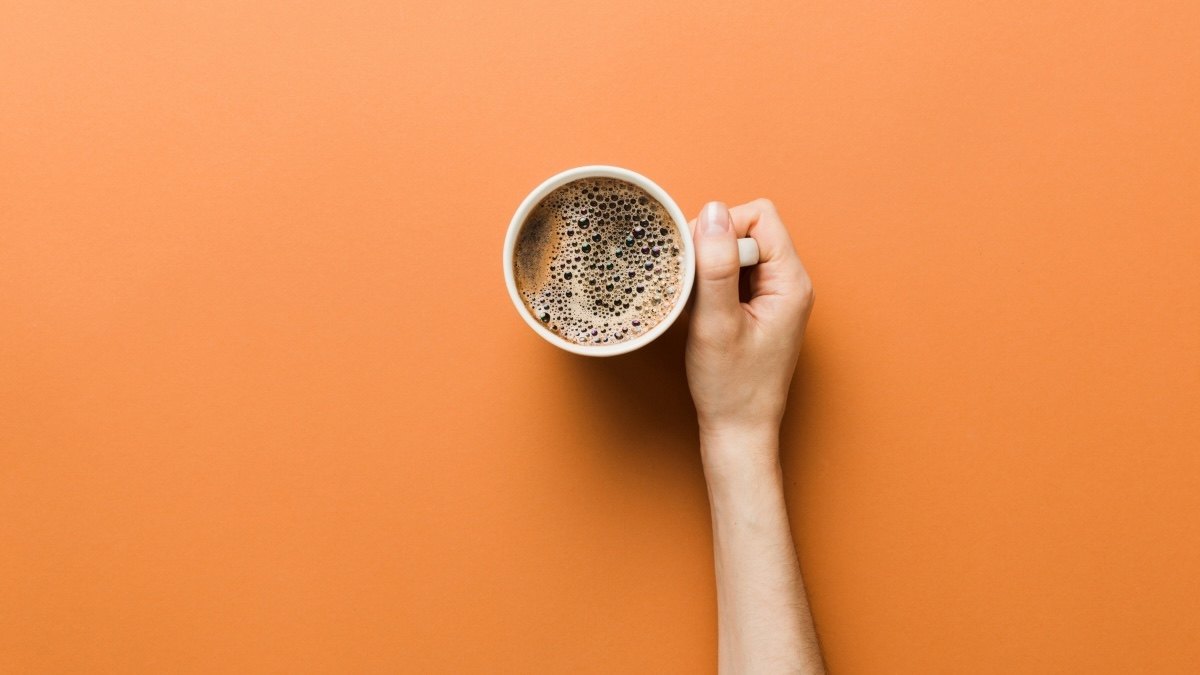
With rates of fatty liver disease on the rise, many of us are rethinking our diets. And if you’ve ever wondered “Is coffee good for your liver?,” we have good news to report. New research suggests your daily coffee habit may be doing your liver a real favor—and you don’t need to drink pots of it to see the benefit. Here’s everything you need to know about what the latest study shows.
Is coffee good for your liver? What researchers found
Coffee drinkers, this one’s for you. A Cedars-Sinai Medical Center study found that compounds in coffee can slash the risk of liver issues by up to 47 percent.
That’s a remarkable number, especially for something as simple and affordable as the drink already sitting on your kitchen counter. And you don’t have to overhaul your routine or start chugging cup after cup. Benefits showed up with as little as 8 ounces of coffee per day. That’s roughly one standard mug—the amount many of us are already drinking without a second thought.
The strongest benefits were seen with at least 40 ounces (equal to about 5 cups) of coffee per day. But for many of us, that may be more caffeine than feels comfortable or realistic. The reassuring takeaway is that even a modest coffee habit appears to offer meaningful protection.
Both regular or decaf support liver health
If caffeine isn’t your friend after a certain hour—or at all—you’ll be happy to know the liver-supporting effects were seen with both regular and decaf coffee. That means the beneficial compounds in the bean itself, not just the caffeine, appear to be doing the heavy lifting.
Now here’s where it gets interesting for anyone who takes their coffee sweet. Adding sugar didn’t diminish the overall effect much, which is a relief for those who need a little sweetness to enjoy the cup. That said, researchers noted the sweetener seemed to modestly increase liver inflammation. So while added sugar isn’t canceling out the liver-health benefits of coffee, it’s worth being mindful.
How to make your coffee work harder for you
A few easy adjustments can help you get the most out of your daily cup:
- Sip at least one cup per day. Even 8 ounces a day appears to offer liver health protection, so don’t feel pressure to drink more than you enjoy.
- Go decaf if caffeine bothers you. The liver benefits come through either way, so choose what feels best for your body.
- Ease up on the sugar. Try reducing by half a teaspoon at a time, or swap in a splash of milk or a dash of cinnamon for flavor to reduce the risk of liver inflammation.
- Make it a ritual. Pairing your coffee with a quiet moment before the day gets noisy turns a health habit into a self-care habit.
Is coffee good for your liver? The bottom line
There’s something reassuring about learning that one of life’s simple pleasures is also looking out for you. You don’t need a new supplement, a complicated regimen or an expensive product—just the cup you were already going to pour. For women navigating the health shifts that come with midlife and beyond, that kind of easy, everyday win is worth raising a mug to.
Ready for more inspiration? Subscribe to our YouTube channel for video podcasts, health tips and uplifting stories designed for women 40, 50, 60 and beyond.
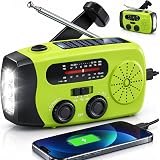
Hand Crank Radio with Flashlight, AM/FM/NOAA Emergency Radio, Green | 2000mAh, Hand Crank, Solar Power, USB-C recharge, Bright LED flashlight, Lightweight, for Power Outage,Emergencies,Camping
$25.98 (as of November 5, 2026 03:36 GMT +00:00 - More infoProduct prices and availability are accurate as of the date/time indicated and are subject to change. Any price and availability information displayed on [relevant Amazon Site(s), as applicable] at the time of purchase will apply to the purchase of this product.)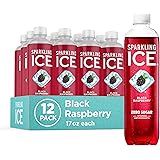
Sparkling Ice, Black Raspberry Sparkling Water, Zero Sugar Flavored Water, with Vitamins and Antioxidants, Low Calorie Beverage, 17 fl oz Bottles (Pack of 12)
$12.47 (as of November 5, 2026 03:21 GMT +00:00 - More infoProduct prices and availability are accurate as of the date/time indicated and are subject to change. Any price and availability information displayed on [relevant Amazon Site(s), as applicable] at the time of purchase will apply to the purchase of this product.)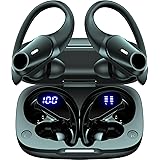
Active Noise Cancelling Ear Buds Wireless Bluetooth Headphones 80H Playtime Display Charging Case 50dB ANC Over Ear Hooks Earbuds with Hi-Res Sound & Clear Calls for Sports Running Gym Workout Black
$89.99 (as of November 5, 2026 03:36 GMT +00:00 - More infoProduct prices and availability are accurate as of the date/time indicated and are subject to change. Any price and availability information displayed on [relevant Amazon Site(s), as applicable] at the time of purchase will apply to the purchase of this product.)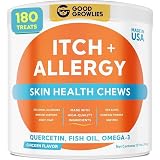
GOODGROWLIES Dog Allergy Relief Chews - Anti-Itch Skin & Coat Supplement | Itchy Skin Relief w/Omega 3 & Fish Oil - Itching & Paw Licking Support - Dry Skin & Hot Spots Treatment - Vet-Approved, 180Ct
$24.99 (as of November 5, 2026 03:25 GMT +00:00 - More infoProduct prices and availability are accurate as of the date/time indicated and are subject to change. Any price and availability information displayed on [relevant Amazon Site(s), as applicable] at the time of purchase will apply to the purchase of this product.)











Post Comment