
Is Your LED Mask Secretly Making Melasma Worse? Dermatologists Reveal the Truth!
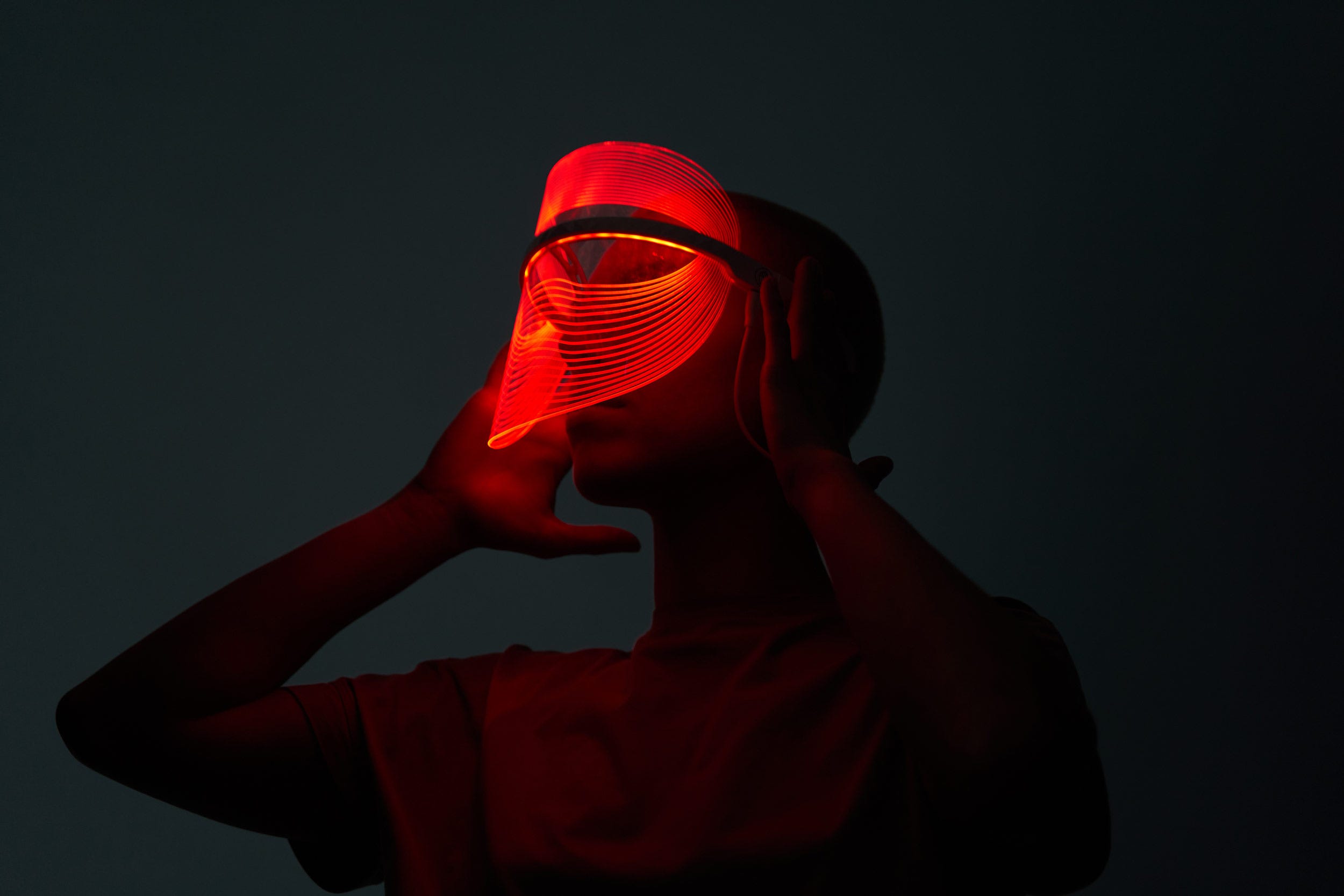
So, you’ve probably seen those glowing LED masks all over your feed, right? Everyone’s raving about how they zap acne, boost collagen, and basically work magic on dark spots and wrinkles — all while you chill out with one on for just 10 minutes a few times a week. But here’s the kicker: what if that miracle mask is secretly messing with your skin in ways you never expected? Yeah, turns out a lot of skincare lovers are noticing some serious melasma flare-ups after using these popular red, blue, and infrared light therapies. It’s like your “skin savior” might actually be throwing some shade… literally. I dove deep, chatting with top dermatologists, to uncover what’s really going on beneath the surface — and why heat, not just light, might be the sneaky culprit behind those stubborn discolorations. If you’ve ever wondered whether your beloved LED mask is a hero or a hidden villain, stick around — this one’s a must-read. LEARN MORE
 4 min read
Are you even a true skincare enthusiast if you don’t own an LED mask? The high-tech devices have only grown more popular over the last few years, thanks to their low-effort, high-reward approach of reducing acne and inflammation over time, promoting collagen production, and minimizing the appearance of dark spots and wrinkles with consistent use. What could be easier than popping on a glowing mask of your choice a few times a week for 10 minutes at a time to achieve brighter, clearer skin?
There’s just one problem, though: A growing number of women report that red-, blue-, and infrared-light-therapy masks, which are touted as one of the best skincare options for dark spots, are doing more harm than good. They claim that LED masks are the cause of their newfound melasma, an overproduction of melanin in the skin that can result in significant patches of discoloration.
“Red light therapy 100 percent causes melasma,” writes one frustrated Reddit user. “I never had it, and after only a few sessions, I now have a dark mask on my face, and it’s extremely hard to get rid of it.” Reddit is flooded with similar stories and posts: “I have never had problems with melasma until I started using my mask. Now I’m here, wondering WTF to do now that I have apparently made my face worse.”
Dermatologists say that this side effect is not only possible but increasingly common. “I have seen a few cases where at-home LED masks worsened melasma, and heat is likely the culprit,” says Dendy Engelman, a dermatologist in New York City. “Melasma is highly sensitive to both UV and thermal triggers, and some LED devices, especially those with infrared light, can generate enough heat to activate pigment cells. It’s not the light wavelengths themselves but the cumulative heat exposure and overuse that pose a risk.”
Morayo Adisa, a dermatologist in Chicago, agrees: “LED masks can trigger or induce melasma in someone who is susceptible to or predisposed to getting melasma,” she says. “Anyone, particularly women, with a history or family history of melasma, sun- or heat-induced discoloration, and of medium to darker skin type could be at risk of developing melasma from the LED mask.”
The issue here is twofold. The first is that LED masks generate heat on the skin, which is one of the most common causes of melasma. “The etiology of melasma is multifactorial, and, yes, heat can exacerbate and worsen melasma by initiating pigment-producing cells, or melanocytes, to produce pigment, or melanin,” says Nava Greenfield, a dermatologist at Schweiger Dermatology Group in NYC. If you’re using the mask as an acne treatment, there’s a second issue at play: “LED lights can also cause melasma by the blue-light component, which can also be a melanin stimulator,” Greenfield adds. That is, blue-light therapy, which is used to treat acne by killing the P. acnes bacteria, can also stimulate melanin production.
Knowing your skin history with melasma is the first step in determining if you might not be the best candidate for light therapy. “If you’ve had melasma before, especially during pregnancy, while on hormonal birth control, or after sun exposure, you’re already at higher risk. If your skin reacts strongly to heat or you’ve noticed dark patches flare up after hot yoga, saunas, or steam, that’s another red flag,” says Engelman. “Medium to deeper skin tones tend to be more pigment-reactive overall. If any of these apply, it’s smart to be cautious with LED devices that emit heat and stick to pigment-safe topicals instead.”
If you notice worsening skin discoloration while using an LED mask, all three dermatologists I spoke with recommend discontinuing use and consulting with your doctor about alternative treatment and skincare options. “Look for ingredients like tranexamic acid, niacinamide, azelaic acid, and cysteamine, all of which help fade discoloration gently,” advises Engelman. “Daily mineral sunscreen is essential, and antioxidants like vitamin C can help prevent further pigment formation. For those with melasma, I also recommend wearing a tinted SPF. The iron oxide in these formulations helps protect against non-UV-induced hyperpigmentation triggered by heat, blue light, and infrared exposure.”
Melasma can be stubborn, though. If the discoloration persists even after you ditch the mask, Engelman says to pay a visit to your dermatologist for “compounded creams or in-office treatments like chemical peels or low-heat lasers designed for pigment-prone skin.”
Meet the Experts:
- Dr. Dendy Engelman, M.D., F.A.A.D., is a board-certified dermatologist and Mohs surgeon at the Shafer Clinic in New York City.
- Dr. Morayo Adisa, M.D., is a board-certified dermatologist based in Chicago.
- Dr. Nava Greenfield, M.D., is a board-certified dermatologist at Schweiger Dermatology Group in New York City.
Looking for More Skincare Ideas?
Why Trust Harper’s Bazaar?
For more than 150 years, Harper’s Bazaar has been the preeminent fashion and beauty resource for women at every age. We cover what’s new and what’s next in beauty by working with the world’s leading authorities in dermatology, plastic surgery, cosmetics, skincare, haircare, and fragrance. Every story we publish has been thoroughly researched and vetted by our team of beauty editors and industry experts.
Sheba Perfect Portions Cuts Wet Cat Food, Multipack, 2.6 oz, 24 ct | Chicken, Salmon & Turkey cuts in gravy, grain-free, protein-rich, no corn/soy, essential vitamins & minerals, twin-pack trays
$27.96 (as of October 11, 2026 03:11 GMT +00:00 - More infoProduct prices and availability are accurate as of the date/time indicated and are subject to change. Any price and availability information displayed on [relevant Amazon Site(s), as applicable] at the time of purchase will apply to the purchase of this product.)
Sony WH-CH520 Wireless On-Ear Bluetooth Headphones with Microphone, Blue | Comfortable Lightweight Design, Up to 50 Hrs Battery with Quick Charging, Multipoint Connection, Clear Calls, Swivel design
$33.00 (as of October 11, 2026 03:20 GMT +00:00 - More infoProduct prices and availability are accurate as of the date/time indicated and are subject to change. Any price and availability information displayed on [relevant Amazon Site(s), as applicable] at the time of purchase will apply to the purchase of this product.)
Purina Pro Plan Veterinary Supplements FortiFlora Dog Probiotic Supplement | FortiFlora Probiotic Supplement with strain of probiotics promotes intestinal health and can help management of diarrhea
$30.99 (as of October 11, 2026 03:11 GMT +00:00 - More infoProduct prices and availability are accurate as of the date/time indicated and are subject to change. Any price and availability information displayed on [relevant Amazon Site(s), as applicable] at the time of purchase will apply to the purchase of this product.)
Aidoly 54 Inch Cat Tree Tower with Sisal Scratching Posts, Multi-Level | Cat Tower with Climbing Ladder, Play Toy Balls House for Indoor Cats, Grey
$36.84 (as of October 11, 2026 03:20 GMT +00:00 - More infoProduct prices and availability are accurate as of the date/time indicated and are subject to change. Any price and availability information displayed on [relevant Amazon Site(s), as applicable] at the time of purchase will apply to the purchase of this product.)














Post Comment