
Revealed: The 10 Irish Brands Crushing Their Customers’ Trust—and What It Means for Your Wallet
Ever wonder why some of Ireland’s most famous brands are stumbling over their own shoelaces while the nation’s overall customer experience is hitting its highest mark in nearly a decade? It’s a curious paradox—on one hand, the latest CXi survey from Amárach Research shows Irish consumers are feeling better about their interactions with over 150 brands, with an impressive 3% uptick in scores; on the other hand, iconic names like Ryanair, Facebook, and Ticketmaster are occupying the dreaded bottom spots. What gives? The answer might be simpler than you think: many of these brands serve folks out of necessity, not choice—meaning no matter how frustrating the experience, people keep showing up. And it’s not just a tech glitch or bad luck; there’s a bigger story here about trust, competition, and the undeniable power of that human touch—or the lack thereof. So, if you’re curious about what makes or breaks customer loyalty in today’s tech-driven world—and why some household names can’t seem to get it right—stick around. This isn’t just about scores, it’s about the future of service in Ireland’s marketplace. LEARN MORE.
Ireland’s customer experience (CX) scores have improved to their highest level in nine years, but some of the country’s best-known brands are being left far behind.
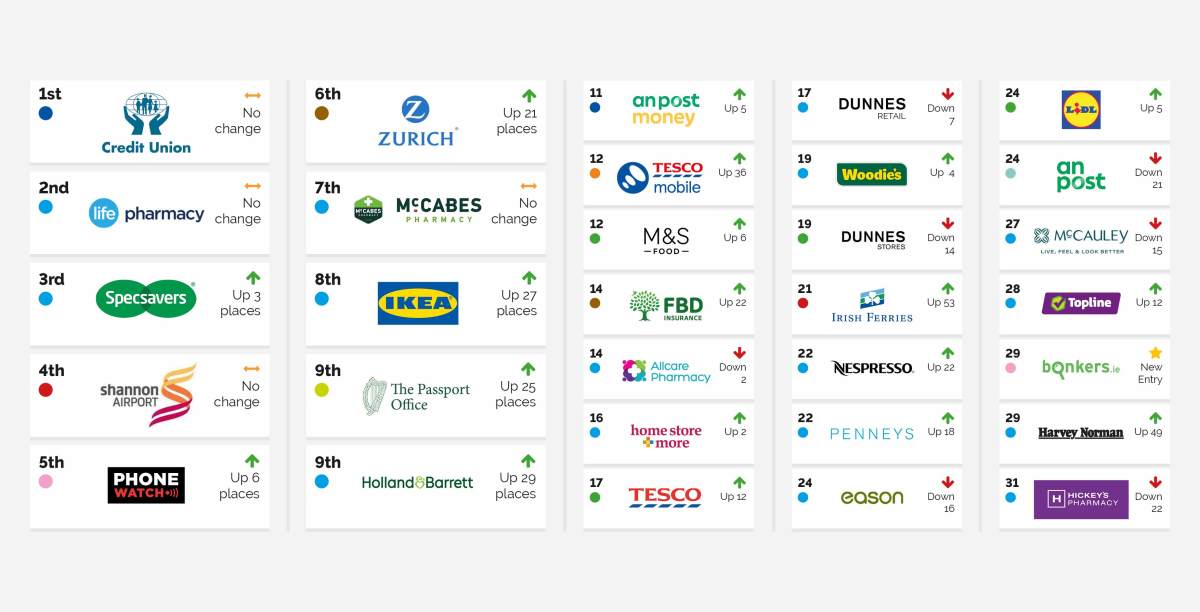
The latest annual CXi survey, carried out by Amárach Research, ranks more than 150 brands based on the experiences of Irish consumers.
While the overall Irish CX score increased by 3% this year, the bottom of the table is dominated by services that consumers often use out of necessity rather than choice.
The bottom 10 are Social Welfare, Ryanair, RTÉ, Re-turn, Instagram, TikTok, Irish Water, Ticketmaster, Dublin Bus and Facebook.
Four of the bottom 10 are in entertainment and leisure, including three social media platforms or ticketing services. Two are public sector organisations, two are travel-related and two are utilities.
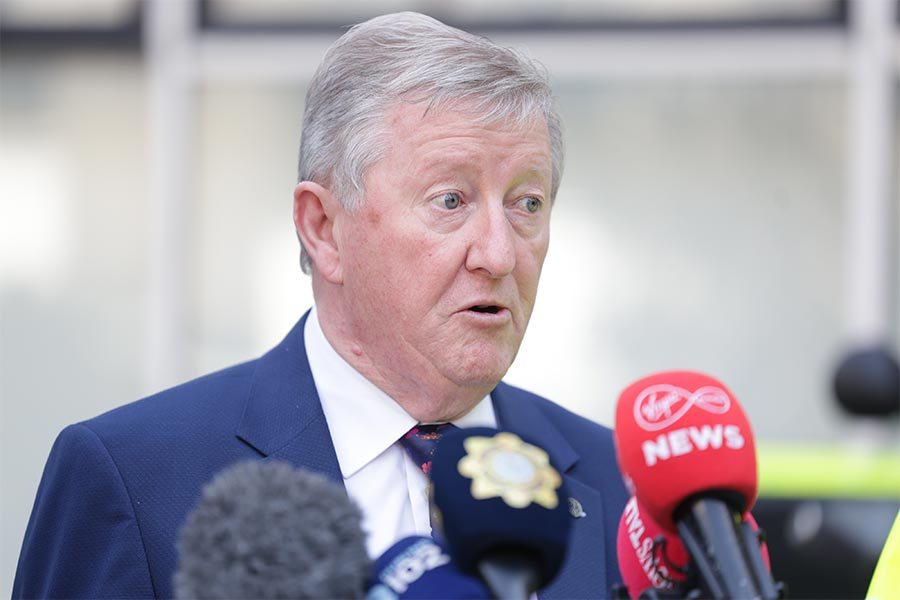
According to Michael Killeen, report author and chairman of the CX Academy, the common factor is that many are services consumers rely on regardless of the quality of the experience.
“The common thread on the data is that these are largely services people use out of necessity or habit rather than choice,” the report states.
The findings contrast sharply with the overall performance of Irish brands. Some 64% of companies and organisations recorded an improvement in their CX scores, compared with just 6% in the US.
The Irish Credit Union retained the number one position for an unprecedented 11th consecutive year, while pharmacies, supermarkets, financial services and retail brands performed strongly.
But at the other end of the rankings, several household names continue to struggle.
Ticketmaster ranked 160th, leaving it third from bottom and just ahead of Dublin Bus and Facebook.
The company dropped 17 places this year and has now appeared in the bottom 10 for three consecutive surveys. Its highest-ever position was 106th in 2018.
Consumer criticism focused heavily on customer service, fees and the difficulty of dealing with the company.
Comments included: “Impossible to speak with a person and they never resolve anything”, “Excessive prices and fees” and “Everything is AI”.
Killeen said Ticketmaster’s use of tiered and dynamic pricing for major concerts had further alienated consumers.
“Ticketmaster operates a de facto monopoly on tickets for major events here and provides an excellent example of what happens when there isn’t sufficient competition in the market,” he said.
The company is also facing two charges under the Consumer Protection Act 2007 over Oasis concert tickets sold in August 2024. The case was brought by the Competition and Consumer Protection Commission.
RTÉ was ranked 155th, although the broadcaster’s position represents an improvement from its collapse to last place following the controversy over payments to former presenter Ryan Tubridy.

Amárach Research chairman Gerard O’Neill said RTÉ had made a “notable recovery”, but warned that rebuilding trust takes time.
“RTÉ’s scores indicate that audiences feel understood again, though full forgiveness on integrity is taking longer,” he said.
The public sector was the second-worst performing category overall, with Social Welfare, An Garda Síochána and the HSE also featuring towards the bottom of the table.
The survey also highlights a wider warning for companies relying heavily on technology to serve customers.
Killeen said demand for AI was strongest in sectors where consumers were already experiencing the most friction.
“Customers are not rewarding brands for having AI; they are rewarding brands they trust to deploy it appropriately,” he said.

And despite the rapid growth of artificial intelligence and digital services, he believes the human element remains crucial.
“While AI has undoubtedly huge potential, the quality of staff remains the strongest single influence on any brand CX score,” Killeen said.
That may be the biggest lesson from this year’s rankings: making a service digital does not necessarily make it better for the customer.
2 Pack [Apple MFi Certified] USB C Headphones Wired for iPhone 18 17 16 15 | Wired Earbuds with Microphone & Remote Control Noise Cancelling Type C Earphones for iPhone Duo 18 17 16 15 Pro Max, Galaxy
$13.99 (as of October 13, 2026 03:32 GMT +00:00 - More infoProduct prices and availability are accurate as of the date/time indicated and are subject to change. Any price and availability information displayed on [relevant Amazon Site(s), as applicable] at the time of purchase will apply to the purchase of this product.)
Organic Banana Bunch (4-5 Count)
(as of October 13, 2026 03:09 GMT +00:00 - More infoProduct prices and availability are accurate as of the date/time indicated and are subject to change. Any price and availability information displayed on [relevant Amazon Site(s), as applicable] at the time of purchase will apply to the purchase of this product.)
The Farmer's Dog Human-Grade Crunchy Dog Biscuits, Peanut Butter & Pumpkin | All-Natural Dog Treats Made with Real Ingredients For Puppies and Adult Dogs, For All Ages, Sizes and Breeds
$13.48 (as of October 13, 2026 03:21 GMT +00:00 - More infoProduct prices and availability are accurate as of the date/time indicated and are subject to change. Any price and availability information displayed on [relevant Amazon Site(s), as applicable] at the time of purchase will apply to the purchase of this product.)
Apple AirPods Pro 3 Wireless Earbuds with Active Noise Cancellation | Live Translation, Heart Rate Sensing, Hearing Aid Feature, Bluetooth Headphones, Spatial Audio, USB-C Charging
$199.00 (as of October 13, 2026 03:21 GMT +00:00 - More infoProduct prices and availability are accurate as of the date/time indicated and are subject to change. Any price and availability information displayed on [relevant Amazon Site(s), as applicable] at the time of purchase will apply to the purchase of this product.)











Post Comment