
Supreme Court’s Silent Play: How Republicans Are Redrawing the Rules and Shaping Power Behind Closed Doors
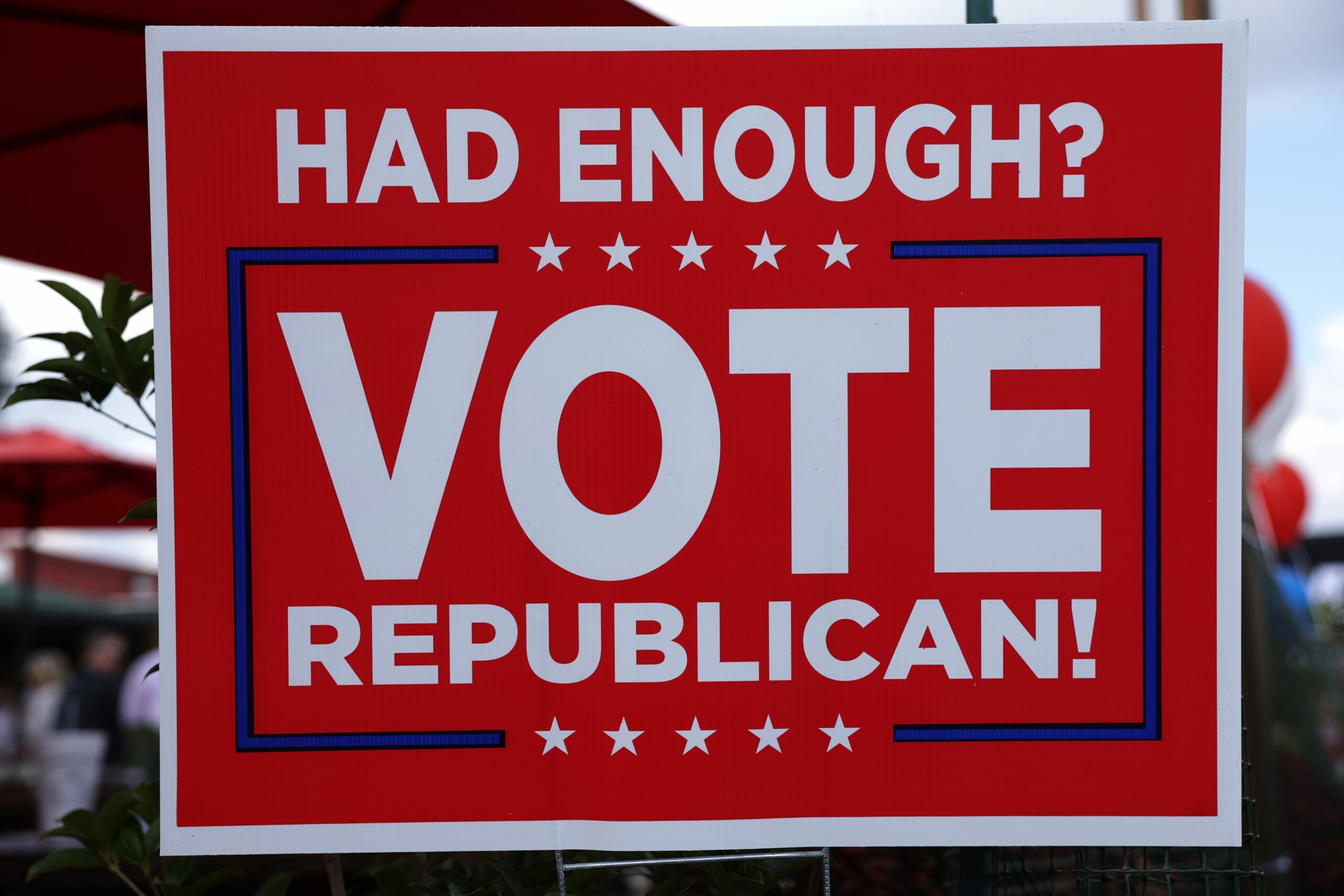
You ever notice how political battles can move faster than a champion’s takedown? Just when you think the dust has settled on Alabama’s redistricting saga — where the courts called out the state for boxing Black voters into neat little corners — bam! The Supreme Court throws a curveball that sends the whole thing spiraling back to square one. It’s like watching an intense rematch in the octagon, except this time the gloves are off and the stakes are control over who gets to pick their representatives. What’s going on here? Well, the latest dust-up following the Allen v. Milligan decision and the shadow cast by Louisiana v. Callais has unleashed a whirlwind of legal maneuvers faster than you can say “tap out.” If you think juggling court orders, special masters, and emergency appeals sounds exhausting, you’re right — but that’s exactly the kind of grit and hustle politics demands nowadays. Ready to dive deeper into this fast-moving cage match of democracy? LEARN MORE
 2 min read
The United States Supreme Court, Allen v. Milligan, June 8, 2023:
The extensive record in these cases supports the District Court’s conclusion that plaintiffs’ [Section 2] claim was likely to succeed under Gingles. As to the first Gingles precondition, the District Court correctly found that black voters could constitute a majority in a second district that was “reasonably configured.” The plaintiffs adduced eleven illustrative districting maps that Alabama could enact, at least one of which contained two majority-black districts that comported with traditional districting criteria.
In this decision, the court upheld lower-court decisions that concluded that Alabama’s 2021 redistricting maps had herded the state’s Black voters into one congressional district while splitting other Black communities up between different white-majority districts. Subsequently, Alabama adopted a new map, but a district court threw that one out and appointed a special master. The Supreme Court declined to take action in the matter of this second map. The special master produced his own map, and the lower court ordered the state to use it. We’ll let SCOTUSblog take it from there.
Alabama went to the Supreme Court, which delayed its consideration of the state’s appeals until after the justices issued their April 29 decision in Louisiana v. Callais, in which it struck down Louisiana’s congressional map. On Friday, the state—which had asked the justices to expedite their consideration of those appeals—also sought to have the lower-court orders barring Alabama from using the 2023 map put on hold immediately because the justices are not scheduled to issue orders from their next private conference until Monday, May 18, just one day before the state’s primary election is currently scheduled to take place.
The United States Supreme Court, May 11, 2026: Never mind.
Alabama told the justices on Friday that its “case mirrors Louisiana’s, and they should end the same way: with this year’s elections run with districts based on lawful policy goals, not race.” When it drew the 2023 map, Alabama said, it sought to “achiev[e] the State’s neutral goals (like protecting incumbents) and refus[ed] to let race predominate.” And on Saturday, Alabama told the court, the state’s Legislature passed a law allowing “a special primary election for affected Congressional districts” if a federal court permits the state to restore the 2023 map.
Wait for it…
In an unsigned, one-paragraph order on Monday afternoon, the Supreme Court granted Alabama’s appeal and sent the dispute back to the lower court for another look in light of its ruling in Callais. The justices did not provide any additional explanation for their decision.
Wow. That happened fast.

Ridge Tracker Card Compatible with Apple Find My, Compatible with Android Slim Tracking Card - Wallet Finder, Item Locator for Luggage Tags, Passports, Phone - MFi Certified, IP68 Water Resistance
$39.00 (as of October 11, 2026 03:30 GMT +00:00 - More infoProduct prices and availability are accurate as of the date/time indicated and are subject to change. Any price and availability information displayed on [relevant Amazon Site(s), as applicable] at the time of purchase will apply to the purchase of this product.)
Beats Solo 4 - Wireless On-Ear Bluetooth Headphones, Up to 50-Hour Battery Life, Ultra-Lightweight Comfort, Powerful and Balanced Sound, Apple & Android Compatible - Matte Black
$99.95 (as of October 11, 2026 03:20 GMT +00:00 - More infoProduct prices and availability are accurate as of the date/time indicated and are subject to change. Any price and availability information displayed on [relevant Amazon Site(s), as applicable] at the time of purchase will apply to the purchase of this product.)
Purina Fancy Feast Grilled Seafood Wet Cat Food, 3 oz Cans, 24-Pack | Variety Pack, crafted with real seafood in savory gravy. Made with no Artificial Colors or Preservatives.
$22.86 (as of October 11, 2026 03:11 GMT +00:00 - More infoProduct prices and availability are accurate as of the date/time indicated and are subject to change. Any price and availability information displayed on [relevant Amazon Site(s), as applicable] at the time of purchase will apply to the purchase of this product.)
Singles To Go! Dunkin' Refreshers Green Tea Drink Mix Packets, 40 Count | Sugar Free, Loaded Tea Packets with Caffeine Energy from Green Tea, Aspartame-free, Just add water, Energy Drink Alternative
$11.28 (as of October 11, 2026 03:09 GMT +00:00 - More infoProduct prices and availability are accurate as of the date/time indicated and are subject to change. Any price and availability information displayed on [relevant Amazon Site(s), as applicable] at the time of purchase will apply to the purchase of this product.)












Post Comment