
The Hidden C Corp Twist That Could Make or Break Your ROBS Strategy—Are You Ready?

Ever thought about kickstarting your business using your retirement savings instead of marching down the beaten path of traditional financing? Sounds a little daring, right? Well, Rollovers for Business Startups, or ROBS, gives savvy entrepreneurs a golden ticket to invest their retirement funds directly into their companies—without triggering the usual retirement account withdrawal penalties. But (and it’s a big but) this deal hinges on setting up the right corporate structure to keep the IRS happy and preserve that coveted tax advantage.
So, why does your C corporation status hold the keys to this whole ROBS puzzle? It’s all about how your business dishes out stock, juggles retirement plan investments, and ticks those compliance boxes. Nail these, and you’re one step closer to deciding if ROBS is the right move before you dive headfirst into your retirement savings.
Why Your C Corp is the Unsung Hero of ROBS Funding
Here’s the lowdown: ROBS usually demands a C corporation because the magic happens when a qualified retirement plan scoops up employer stock. The C corp sets up this retirement plan, which then grabs shares using your rolled-over retirement bucks. No C corp? Then the ride stops here.
Trying to sneak in an LLC or S corp? Sorry, but those don’t cut it for ROBS. LLCs have to morph into C corps first, and S corp rules block retirement plans from owning their stock anyway. So, bottom line—C corps stand alone as the business entities that can hand over shares to these retirement plans, letting you invest retirement assets into your gig without it looking like you just raided your 401(k).
Choosing the right entity from the jump saves you a heap of future headaches. If you’re already running a different kind of entity, chatting with a pro about conversion is the smart move.
The Stock Story: How Retirement Plans Buy In Through Your C Corp
Forget loans or taking money out with penalties; ROBS flips the script. Your qualified retirement plan actually becomes a shareholder by buying stock right in your C corp. Here’s how the playbook reads:
- Spin up your C corporation.
- Set up a retirement plan that allows for employer stock investment.
- Roll your eligible retirement funds into this shiny new plan.
- Have the plan buy qualifying shares of your corporation.
- Put that capital to work covering authentic business expenses.
This dance means your retirement plan waves goodbye to mutual funds and hello to being a part-owner. The corp gets cash for stock — no monthly loan payments breathing down your neck. But heads up: your retirement assets are now riding shotgun with your business’s ups AND downs. Valuing shares fairly and documenting ownership is crucial to keep the IRS nodding along.

Why This Corporate Setup Matters for Your Taxes
Here’s a kicker: one reason ROBS is tempting is because it may let you tap into retirement funds without Uncle Sam taking his usual bite through taxes or early withdrawal penalties. With ROBS, the money doesn’t hand you a taxable distribution. Instead, it rolls over into another qualified retirement plan that buys employer stock. It’s like a financial hat trick that dodges immediate income taxes and penalties.
But a C corp alone won’t give you a tax free pass. The whole rigamarole has to follow retirement plan rules to the letter. Plus, remember, C corps pay corporate income tax, and when dividends roll out, shareholders might face extra taxes. It’s a balancing act, so don’t just look at the upfront rollover — factor in ongoing tax vibes too

Miracase Magnetic for iPhone 18 Pro Max Case 6.9", Glacier Blue | Translucent Matte, Compatible with MagSafe, N56 Stronger Magnets, Military Grade Drop Proof, Rugged Shockproof Protective
$18.69 (as of November 26, 2026 03:29 GMT +00:00 - More infoProduct prices and availability are accurate as of the date/time indicated and are subject to change. Any price and availability information displayed on [relevant Amazon Site(s), as applicable] at the time of purchase will apply to the purchase of this product.)
DaVinci Gourmet Classic Vanilla Syrup, 25.4 Fluid Ounces (Pack of 1)
$5.69 (as of November 26, 2026 03:25 GMT +00:00 - More infoProduct prices and availability are accurate as of the date/time indicated and are subject to change. Any price and availability information displayed on [relevant Amazon Site(s), as applicable] at the time of purchase will apply to the purchase of this product.)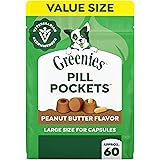
Greenies Pill Pockets Large Size Dog Treats, Peanut Butter, 15.8 oz | Vet-recommended, masks pill smell & taste, moldable texture, capsule size, natural ingredients, no fillers, 15.8 oz. pouch
$14.97 (as of November 26, 2026 03:25 GMT +00:00 - More infoProduct prices and availability are accurate as of the date/time indicated and are subject to change. Any price and availability information displayed on [relevant Amazon Site(s), as applicable] at the time of purchase will apply to the purchase of this product.)
Amazon Echo Dot (5th gen), Vibrant sounding speaker, Great for bedrooms, dining rooms and offices, Designed for Alexa+, Charcoal
$39.99 (as of November 26, 2026 03:29 GMT +00:00 - More infoProduct prices and availability are accurate as of the date/time indicated and are subject to change. Any price and availability information displayed on [relevant Amazon Site(s), as applicable] at the time of purchase will apply to the purchase of this product.)













Post Comment