
The Shocking Insurance Blind Spots That Could Sink Your Small Business Overnight—Are You Really Covered?
Ever feel like running a small business is a bit like juggling flaming torches while riding a unicycle on a windy Minnesota day? Between unpredictable equipment meltdowns and the occasional pesky workplace incident, managing risks isn’t just part of the job — it’s the whole circus act. And if you’re thinking that having insurance is your safety net, well, hold that thought. Just because you’ve got a policy clipped to your file doesn’t mean you’re covered for every twist and turn the business rollercoaster throws your way. I’ve seen more than one savvy owner bite their nails when they find out their “financial shield” has a few holes in it — usually right when they need it most. So, how do you dodge those nasty surprises and make sure your coverage really measures up? It all starts with knowing what’s lurking in the fine print and rethinking what “protection” actually means. Ready to dive deeper? LEARN MORE
From unexpected equipment failures to workplace accidents, small business owners must manage a range of risks. This number grows in states such as Minnesota, where seasonal weather can add extra considerations. Insurance is an essential financial safety net. However, simply having a policy in place doesn’t mean every potential exposure is covered.
In fact, it’s common for business owners to only discover the limitations of their protection when they need to make a claim. Reviewing coverage closely can prevent unpleasant surprises from cropping up.
Underestimate Business Interruption Risks
Property insurance typically covers physical damage to business premises, but what happens when that damage forces you to close temporarily? Repairs following a fire, flood, or other insured event can take weeks, even months, to complete. That leaves businesses without their usual income.
During a disruption like this, business interruption insurance covers lost revenue and certain ongoing expenses. However, the level of protection and applicable waiting periods matter. Owners should check whether their policy includes sufficient coverage to keep essential costs (rent, wages, supplier payments, etc.) manageable while operations are suspended.
Overlook Gaps in Commercial Auto Coverage
Does your business use vehicles for deliveries? Client visits? Transporting equipment? You’ll encounter risks that standard personal auto policies might not adequately address. Depending on its ownership and how it is operated, a vehicle used regularly for business purposes could require different coverage.
Even outside a company’s commercial fleet, vehicle insurance deserves attention. Business owners who regularly drive their own cars for work should review whether their existing arrangements cover those activities.
Say you’re based in southeastern Minnesota. You’ll want to explore auto insurance in Lake City MN to see how liability limits, comprehensive protection, and additional coverage options apply to your everyday driving. With changing driving conditions, like icy winter roads and summer storms, having appropriate vehicle protection is essential.
Assume General Liability Covers Everything
It’s true: general liability insurance is a key foundation for businesses. After all, it protects against certain third-party bodily injury, property damage, and related claims. Yet it’s not an all-in-one solution that covers every situation.
For instance, professional mistakes and errors in delivering contracted services might instead require professional liability insurance. Similarly, companies handling sensitive customer information need to explore cyber insurance to address potential data breaches and ransomware incidents.
Knowing where one policy ends and another begins is imperative to avoid unexpected exposure.
Fail to Review Workers’ Compensations
As a company grows, its responsibilities towards employees change. Hiring additional staff, introducing new machinery, and expanding into different types of work can all ramp up the risks a company faces. Furthermore, workers’ compensation requirements vary by state and business circumstances.
In Minnesota, employers generally need to provide workers’ compensation insurance for employees, subject to certain expectations. As a business owner, it’s wise to periodically check that your coverage fits your current workforce and complies with applicable regulations. When you assume an old policy automatically remains valid, say hello to gaps in your coverage.
<!–
–>
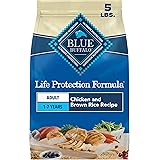
Blue Buffalo Life Protection Formula Chicken Adult Dry Dog Food, 5 lb | Real Chicken #1 Ingredient, Supports Immunity with Antioxidant-Rich LifeSource Bits, Promotes Healthy Muscle Development
$14.97 (as of November 21, 2026 03:24 GMT +00:00 - More infoProduct prices and availability are accurate as of the date/time indicated and are subject to change. Any price and availability information displayed on [relevant Amazon Site(s), as applicable] at the time of purchase will apply to the purchase of this product.)
Casiab Paw Joy Squirrel Toy,Interactive Jumping Squirrel Dog Toy
$26.99 (as of November 21, 2026 03:27 GMT +00:00 - More infoProduct prices and availability are accurate as of the date/time indicated and are subject to change. Any price and availability information displayed on [relevant Amazon Site(s), as applicable] at the time of purchase will apply to the purchase of this product.)
HAPAW Filterless Cat Water Fountain, App Monitoring Pet Fountain, White | Wastewater Separation, App Monitoring, 5000mAh Battery & Plug-in, 101oz/3L Tank, Ultra-Quiet, Easy to Clean, 2.4GHz Wi-Fi
$68.39 (as of November 21, 2026 03:27 GMT +00:00 - More infoProduct prices and availability are accurate as of the date/time indicated and are subject to change. Any price and availability information displayed on [relevant Amazon Site(s), as applicable] at the time of purchase will apply to the purchase of this product.)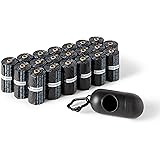
Amazon Basics Dog Poop Leak Proof Bags with Dispenser and Leash Clip, Unscented, 13" x 9" Large Size, 300 Count
$7.83 (as of November 21, 2026 03:24 GMT +00:00 - More infoProduct prices and availability are accurate as of the date/time indicated and are subject to change. Any price and availability information displayed on [relevant Amazon Site(s), as applicable] at the time of purchase will apply to the purchase of this product.)











Post Comment