
The Silent Crisis: Why Rising Financial Insecurity Among Irish Consumers Could Shatter the Market—And How You Can Profit From It Now
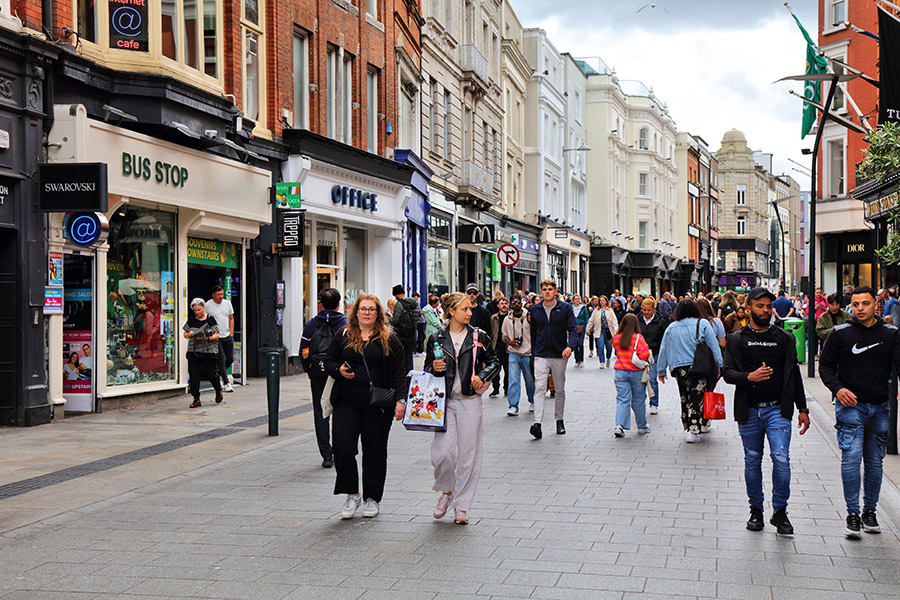
Ever wonder why more Irish consumers are tightening their purse strings these days, feeling less financially secure than ever since KPMG started measuring the mood? It’s not just a fluke—nearly four in ten people admit they’re wrestling with financial unease right now, a marked climb from previous years. That’s a pretty stark sign that the economic grind is hitting households harder, especially the ‘squeezed middle’ aged 35 to 54, who are juggling sky-high mortgage payments, childcare, and everyday living costs all at once. Picture this: a wave of shoppers obsessing over snagging the best deals, leaning heavily on loyalty programs, and swapping pricey brands for store labels just to keep afloat. This shifting consumer psyche isn’t just interesting—it’s a beacon for retailers who want to survive and thrive in a landscape where trust, value, and convenience rule the roost. So, what does it take to win over today’s savvy, price-conscious buyers? Dive in as we unravel the latest insights from KPMG’s Next Gen Retail Survey and explore the nuanced dance between consumer anxiety and the evolving marketplace. LEARN MORE
Financial insecurity among Irish consumers has risen to its highest level since KPMG first began tracking retail sentiment.
Nearly four in 10 (38%) people say they feel less financially secure than they did at the start of 2026, according to the latest KPMG Next Gen Retail Survey.
This sentiment is up from 30% who said the same in April 2025 and 27% in 2024, highlighting a consumer population under intensifying financial strain.
A nationally representative sample of 1,00 adults were questioned for the survey, which was carried out during the US-Iran conflict but before the Irish fuel protests.
KPMG said the timing of the survey suggests that consumer anxiety may have become more acute than these figures capture.
Women (43%) are significantly more likely to feel financial insecurity than men (33%), while the ‘squeezed middle’ cohort of people aged 35-54 (42%) are under the most financial pressure.
This group is also the most price-sensitive when choosing where to shop, prioritising getting the best price above all other factors.
With mortgage costs, childcare expenses and the general cost of living converging on this demographic, the commercial implications for retailers targeting these age groups are significant.
Meanwhile, over half (55%) of shoppers say getting the best price is the single most important factor when deciding where to shop, and at 89% value for money continues to dominate when consumers think of their favourite retailers.
“Financial pressures have intensified, but consumers are adapting by seeking value, using loyalty, and switching channels to suit their needs,” said David O’Kelly, head of consumer retail and manufacturing at KPMG.
“Retailers that combine fair prices with trusted experiences, seamless digital, and in‑store options that match different preferences will be best placed to retain and win customers.”
The majority of respondents (55%) have bought fewer items over the past year.
Making greater use of retailer loyalty schemes to secure lower prices (53%), buying more products on promotion or discount (53%), switching to own-brand or value products (47%), cancelling monthly subscriptions (34%) and selling unwanted items online (22%) are the main money-saving tactics.
Again, women are notably more likely than men to implement various cost-saving measures.
Some 85% of adults purchase groceries in store, 56% favour physical stores for homeware, and nearly two-thirds (64%) say they prefer shopping in physical stores because they can touch and see products before buying.
Most (73%) have not used buy now, pay later (BNPL) services in the past 12 months. However, across those that have used it, it is more likely to be for clothes/fashion or electronics and appliances.
Nearly six in 10 (57%) believe it is generally cheaper to buy products online than in-store, there remains opportunity for the channel to grow as price sensitivity rises.
“On the in-store experience, a clear and commercially significant age divide has emerged: preference for in-store staff assistance increases with age, while preference for self-service checkout kiosks follows the exact opposite pattern,” said O’Kelly.
“Majority (70%) of shoppers agree that retailers must provide both an excellent online user experience alongside an attractive in-store offering, up from 65% in 2025.”
Loyalty schemes are increasingly driving where consumers choose to shop, with 62% agreeing, up from 57% last year.
Loyalty is of particular importance among under-35s, where the ability to store loyalty cards in a digital wallet such as Apple Wallet or Google Wallet significantly increases the likelihood of programme participation.
Automatic application of eligible rewards at checkout is preferred by 72%, immediate member prices at shelf or checkout by 61%, and digital wallet storage by 59%.

There is growing scepticism about corporate sustainability claims is also notable, with over a quarter (28%) of Irish adults noticing inaccuracies or discrepancies on product labels in the past 12 months.
AI-powered shopping tools remain untrusted and untested, with 13% of consumers rusting AI agents to recommend purchases for them, and only 21% anticipating using a personal AI assistant to research products and complete purchases on their behalf.
Photo: David O’Kelly of KPMG. (Pic: Supplied)

Apple HomeView - Space Gray | Siri AI, Liquid Retina display, Spatial Audio, FaceTime, smart home controls, and built-in privacy. Smart display.
$289.99 (as of October 16, 2026 03:33 GMT +00:00 - More infoProduct prices and availability are accurate as of the date/time indicated and are subject to change. Any price and availability information displayed on [relevant Amazon Site(s), as applicable] at the time of purchase will apply to the purchase of this product.)
Blue Buffalo Health Bars Pumpkin & Cinnamon Dog Biscuits, 16 oz | Oven-Baked, Crunchy Texture, No Chicken By-Product, Corn, Wheat, or Soy
$4.98 (as of October 16, 2026 03:11 GMT +00:00 - More infoProduct prices and availability are accurate as of the date/time indicated and are subject to change. Any price and availability information displayed on [relevant Amazon Site(s), as applicable] at the time of purchase will apply to the purchase of this product.)
Sweetcrispy Large Dog Bed for Indoor, Calming Donut Bed for Dogs and Cats | Soothing Raised Rim, Plush Faux Fur, Non-Slip Waterproof Base, Machine Washable, Anti-Anxiety, Keeps Its Shape, Brown, XL
$22.96 (as of October 16, 2026 03:21 GMT +00:00 - More infoProduct prices and availability are accurate as of the date/time indicated and are subject to change. Any price and availability information displayed on [relevant Amazon Site(s), as applicable] at the time of purchase will apply to the purchase of this product.)
Smart Dog Bark Collar with Advanced Bark Detection, 4 Adjustable Training Modes, Beep, Vibration, USB-C Rechargeable Barking Collar, IP67 Waterproof, No Bark Collar for Small, Medium & Large Dogs
$29.99 (as of October 16, 2026 03:21 GMT +00:00 - More infoProduct prices and availability are accurate as of the date/time indicated and are subject to change. Any price and availability information displayed on [relevant Amazon Site(s), as applicable] at the time of purchase will apply to the purchase of this product.)













Post Comment