
Unlock the Hidden Profit Goldmine: Why Ignoring Accessibility Could Cost Your Australian Business Millions
You ever notice those tiny bumps and ridges embedded right into your business’s entrances, stairways, and car parks? Most owners barely give them a second glance, thinking safety means fire exits and clear signage. But here’s the kicker—getting these textured surfaces right isn’t just ticking a boring compliance box; it’s a sharp, strategic move that shields your business from legal headaches while making your space welcoming to everyone. Imagine turning what many overlook into a competitive edge that protects visitors, broadens your customer base, and even fortifies your reputation—all without breaking the bank. Sounds like a win-win, right? Let’s dive in and uncover why these unsung heroes deserve a spotlight in your business strategy.LEARN MORE
Most business owners think about safety in terms of fire exits, signage and slip mats. Far fewer give much thought to the small textured surfaces set into their entrances, stairs and car parks.
Getting them right is not just a compliance exercise; it is a genuinely smart business decision that protects you on several fronts at once.
More Than a Box to Tick
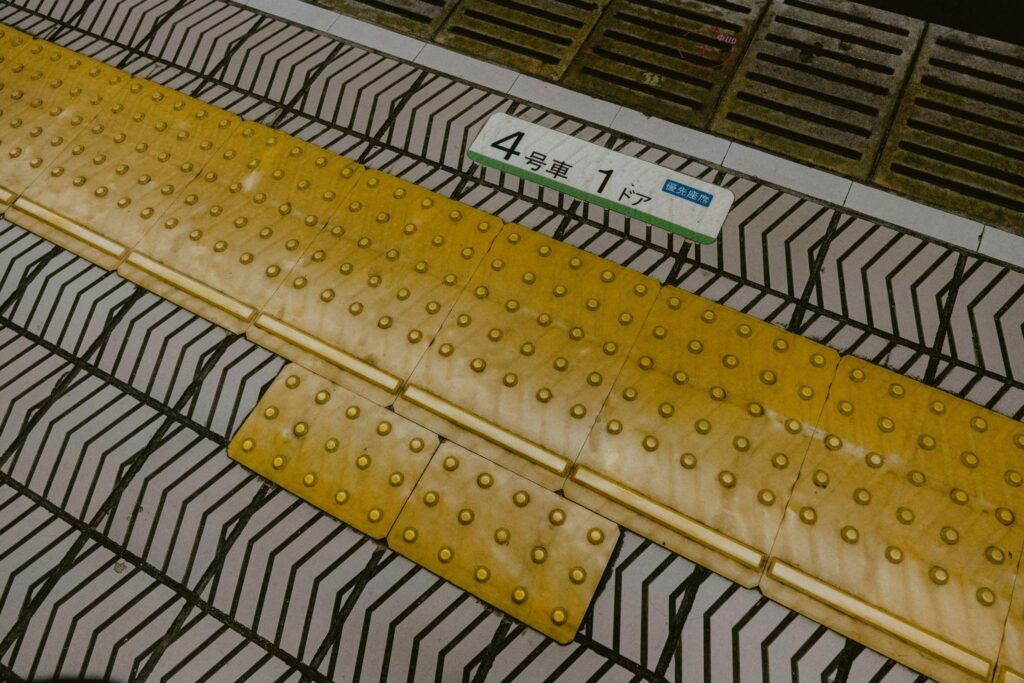
The textured studs and bars you see on footpaths and platform edges have an official name and a serious purpose.
They warn and guide people with low vision, and in Australia, they are governed by clear standards rather than left to preference.
For a business, that turns them into a non-negotiable. Premises open to the public are expected to provide safe and accessible access, and these surfaces are a core part of meeting that expectation.
Treating compliance as a tick-box task misses the point. Done properly, it signals that your business takes the safety of every visitor seriously, which is exactly the impression you want to leave.
The Real Cost of Getting It Wrong
The financial logic here is hard to argue with. The cost of installing compliant surfaces is small compared with the potential fallout from an accident or a complaint.
If a visitor with impaired vision is injured because a hazard was not properly marked, the business can face liability.
Legal claims, insurance complications and remediation orders all carry a price that dwarfs the original fit-out cost.
There is also the cost of doing the work twice. Installing cheap or non-compliant products often means ripping them out and starting again once an inspection or complaint exposes the problem.
A Larger Customer Base Than You Think
Accessibility is frequently framed as a duty, but it is just as much an opportunity. A significant and growing share of the population lives with some form of vision impairment, and that number rises steadily as the country ages.
These are customers, clients and visitors who choose where to spend their money. A space they can navigate safely and independently is a space they are far more likely to return to.
The benefit extends well beyond any single group, too. Clear, well-marked pathways make life easier for parents with prams, elderly visitors, and anyone simply moving through a busy environment.
There is a competitive edge in this as well. When two venues offer a similar product or service, the one that is genuinely easier to enter and move around tends to win the repeat visit.
Where Your Obligations Apply
Knowing where these surfaces are required is the first step in managing your risk. They belong at the top and bottom of stairways, at ramps, beside platform edges and at every pedestrian crossing point on your property.
Commercial car parks and building entrances are common trouble spots that owners overlook. Anywhere a change in level or a hazard could catch a person off guard, a warning surface is needed to flag it.
Indoor and outdoor areas both fall within the scope. A polished foyer staircase carries the same obligation as an exposed external ramp, so a full review of your site is worth doing rather than guessing.
Choosing Products That Protect You
The product you select directly affects both your compliance and your long-term costs. Choosing compliant tactile ground surface indicators from a reputable supplier is the simplest way to satisfy the relevant Australian Standards with confidence.
Material quality is where the real differences appear. Marine-grade 316 stainless steel options resist corrosion and heavy foot traffic for years, while rubber, plastic and carborundum choices suit different budgets and settings.
Finish matters for business premises in particular. Options like silver, black and gold let the surfaces suit your architecture while still delivering the visual contrast that helps low-vision visitors detect them.
Durability as a Long-Term Saving
A cheap product that fails quickly is rarely a saving at all. Surfaces that crack, fade or work loose create a fresh hazard and force you back into the same expense within a year or two.
This is where investing in quality pays off over the life of the building. Stainless steel and slip-resistant carborundum inserts are built to withstand weather, chemicals and constant traffic without degrading.
Lower maintenance is the quiet bonus here. Durable, well-chosen surfaces need little more than occasional cleaning, which keeps both your costs and your compliance steady over time.
Installation That Stands Up to Scrutiny
How these surfaces are fixed in place matters as much as the products themselves. A loose or poorly installed indicator can fail an inspection and, worse, become the very tripping hazard it was meant to prevent.
There are practical options to suit different surfaces and project timelines. Studs can be drilled and fixed, full plates can be bolted down, and peel-and-stick versions allow a fast upgrade where drilling is impractical or disruptive.
Matching the method to the setting protects your investment. A high-traffic concrete entrance calls for a robust mechanical fixing, while a quick adhesive install can be ideal for a low-disruption refurbishment.
Reputation Is Part of the Return
The value of getting this right is not only defensive. An accessible, well-presented business earns goodwill from customers, staff and the wider community.
Word travels in both directions. A venue known for being easy and safe to access builds quiet loyalty, while one that neglects basic accessibility risks negative reviews and reputational damage.
For any business that takes its brand seriously, inclusivity is increasingly part of the picture. Visible attention to accessibility tells people that your standards run deep rather than stopping at the front door.
A Decision Worth Making Early
The smartest time to address all of this is before a problem forces your hand. Building accessibility into a fit-out or refurbishment from the start is far cheaper and simpler than retrofitting under pressure.
Approached this way, compliant surfaces stop being a grudge purchase and become a sound investment.
They protect your visitors, shield your business from risk and quietly strengthen your reputation for years to come.
Frequently Asked Questions
Is my business legally required to install these surfaces?
If your premises are open to the public and include stairs, ramps, crossings or platform edges, accessible warning surfaces are generally expected under Australian accessibility requirements.
A site review by a knowledgeable supplier or consultant is the safest way to confirm your specific obligations.
What happens if I install non-compliant products?
Non-compliant surfaces can fail inspections and may need to be removed and replaced at your own cost.
They can also expose your business to liability if a visitor is injured because a hazard was not correctly marked.
Which material offers the best value for a commercial site?
Marine-grade 316 stainless steel is the strongest long-term choice for high-traffic and outdoor areas.
Its durability and corrosion resistance reduce replacement and maintenance costs, which usually outweigh the lower upfront price of rubber or plastic.
How disruptive is installation to a working business?
It depends on the method, since peel-and-stick options allow a fast install with minimal downtime.
For heavier traffic areas, drilled or bolted fixings are more robust and can often be scheduled outside business hours.
<!–
–>

SUPERDANNY Extension Cord,Flat Plug Surge Protector Power Strip,10Ft | 8 AC & 4 USB Ports (2 USB C),Surge Protector with 1050J,Desk Charging Station for Home Office,College Dorm Room Essentials
$13.99 (as of October 11, 2026 03:20 GMT +00:00 - More infoProduct prices and availability are accurate as of the date/time indicated and are subject to change. Any price and availability information displayed on [relevant Amazon Site(s), as applicable] at the time of purchase will apply to the purchase of this product.)
GHOST Energy Drink, Zero Sugars, 12-Pack, A&W Root Beer, 16oz | Energy & Focus Pre Workout Drink, No Artificial Colors, Gluten-Free, Vegan - 200MG Natural Caffeine, L-Carnitine, Taurine
$29.99 (as of October 11, 2026 03:09 GMT +00:00 - More infoProduct prices and availability are accurate as of the date/time indicated and are subject to change. Any price and availability information displayed on [relevant Amazon Site(s), as applicable] at the time of purchase will apply to the purchase of this product.)
Dog Allergy Chews 200 Treats, Dog Allergy and Itching Skin Relief Bites Immune Support Dogs Probiotics for Yeast, Itchy Skin and Itchy Ears Anti Itch Licking Paws Treatment for Dogs Chicken Flavor
$25.99 (as of October 11, 2026 03:20 GMT +00:00 - More infoProduct prices and availability are accurate as of the date/time indicated and are subject to change. Any price and availability information displayed on [relevant Amazon Site(s), as applicable] at the time of purchase will apply to the purchase of this product.)
Frito-Lay Fun Times Mix Variety Pack, 40 Count
$21.14 (as of October 11, 2026 03:09 GMT +00:00 - More infoProduct prices and availability are accurate as of the date/time indicated and are subject to change. Any price and availability information displayed on [relevant Amazon Site(s), as applicable] at the time of purchase will apply to the purchase of this product.)














Post Comment