
Unlock the Hidden Strategies of Whole-Life Training That Top Athletes Swear By—And Why You Should Too!
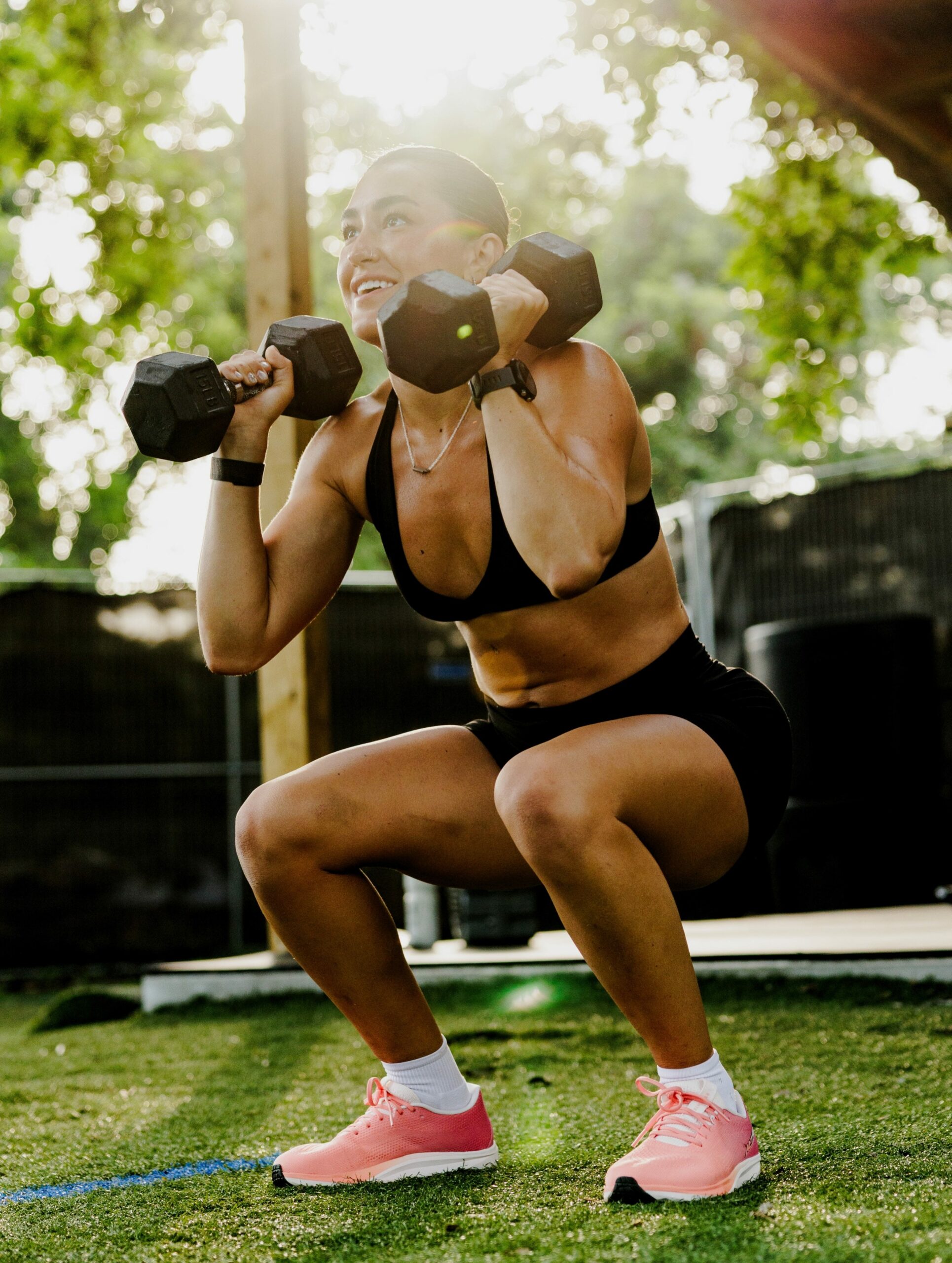
Ever wonder why no matter how many burpees or sprints you smash, you still feel a bit wobbly when life throws its curveballs? I’ve been there—chasing PRs, sweating through every bootcamp, yet something felt off. Turns out, getting fit isn’t just about pounding out endless reps; it’s about crafting a body that’s ready for whatever comes next—be it your next workout, that spontaneous weekend hike, or simply keeping up with the daily grind for years to come. The secret? It’s not about relying on just one type of exercise but blending different movements that work harmoniously together. Think of it as training your body from the ground up—literally! Your feet? They’re the unsung heroes of movement, the first to hit the ground and the foundation for everything else. Without strong, springy feet, your entire game is off balance. Curious how to flex more than just your muscles and truly prepare for every move life demands? Dive in—your body will thank you for it. LEARN MORE
 6 min read
There’s more to getting fit than chasing a PR or sweating through another bootcamp class. The real payoff? Being ready for the next workout, the weekend adventure, the everyday hustle, and all the years ahead.
The key is making different types of exercise work together, rather than relying on any one activity. This multifaceted and well-rounded approach to training means you’re working more than the muscles, because you’re focused on the movements.
When you approach training this way, you’re literally starting from the ground up. “Every single step you take, your foot is the first thing that hits the ground,” says Jen Perez, DC, a chiropractic physician who combines clinical practice and education to help people improve foot health and lower-body function. “It’s the first thing that interfaces with the world around you, what has to be strong and springy when you want to run or jump or dance or ski.”
Flex More Than Muscles
A whole-life, well-rounded training plan comes down to five essentials, according to Courtney Conley, DC, a best-selling author and chiropractic physician with more than two decades of clinical experience:
- Cardio to build endurance
- Strength to produce force
- Power to produce force quickly
- Balance and mobility to move with control
- Recovery to help your body adapt
Cardio and strength may already be part of your routine, but the others can be easier to overlook; especially because they deliver numerous movement benefits that you may not equate them with. For example, Conley emphasizes that power training isn’t just for athletes; it also has practical life applications. “Getting up and out of your chair, having good reaction time, and making sure you don’t fall if you step off a curb and trip are all part of that category,” she says.
Mobility means moving freely through a full range of motion, while balance helps you adjust to changing surfaces and react when your footing shifts—it isn’t just holding a tree pose. “There are thousands of nerve endings in each foot that help communicate to our brain where we are in space,” Perez explains. That feedback, combined with the feet’s ability to grip the ground, helps keep you steady.
Recovery is what allows your body to benefit from hard training, yet Conley says it’s often ignored: “I think one of the biggest mistakes is that people don’t recover.” Sleep, adequate nutrition, and lighter days that deliberately scale back workout volume or intensity give your body time to adapt and help you come back ready for your next workout.
Where Muscle Meets Movement
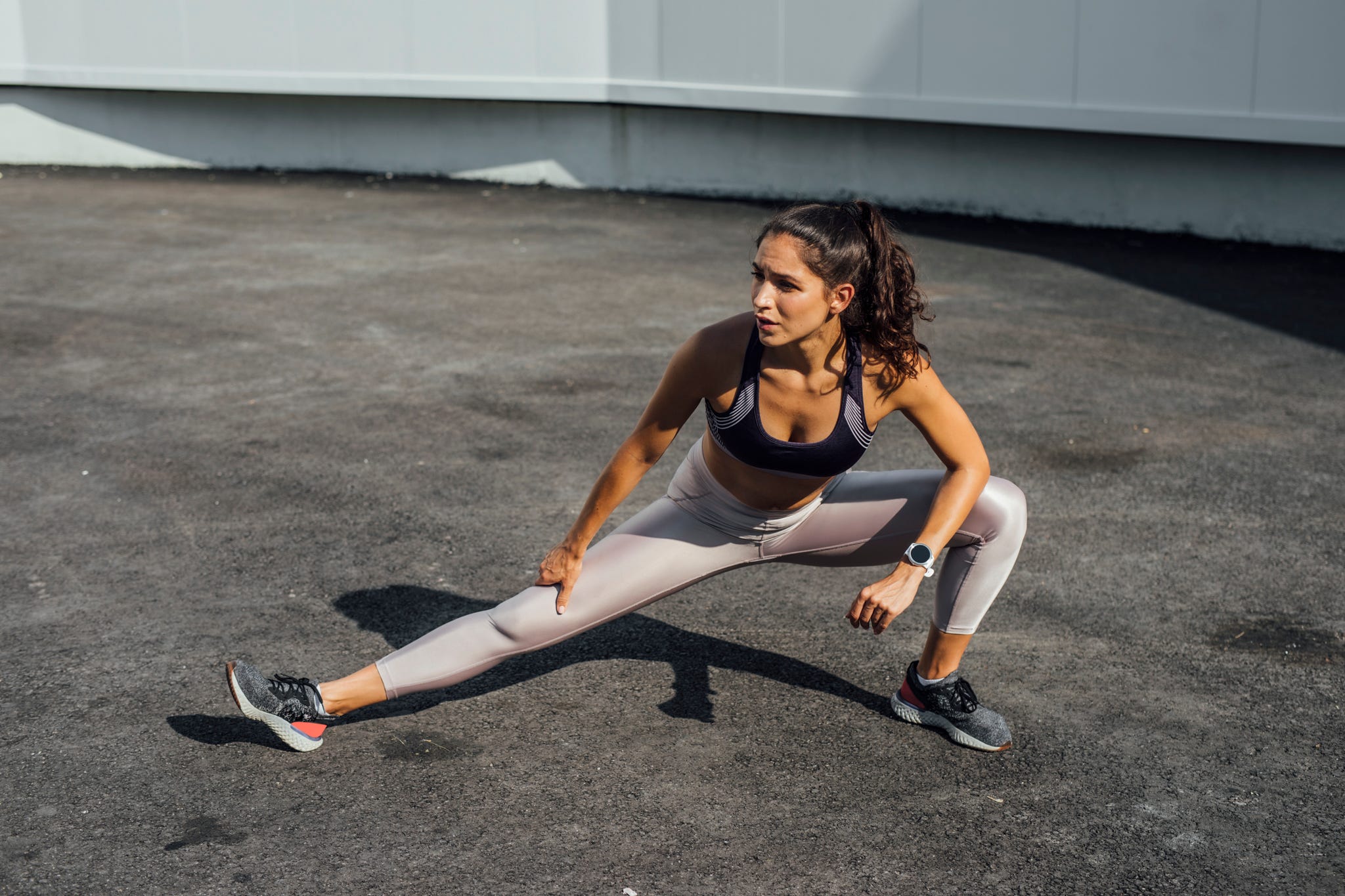
The work you do in the gym should go beyond just trying to look good and prepare you for the demands of everyday movement. For strength and power work, Conley recommends deadlifts and kettlebell swings to train the hip-hinge pattern, along with farmer’s carries to build strength in the core and lower body. “I love all that functional movement,” she says. “A sled push is also great, because as your heel comes off the ground, you’re hitting all the intrinsic muscles of your foot.”
Certain machine exercises may not seem so functional but can address specific weaknesses. For instance, Conley says she often uses seated calf raises to strengthen the tissues around the Achilles and leg extensions to isolate the quadriceps. She also recommends plyometrics—quick, explosive jumping and hopping drills—to develop power. “Try double-leg and single-leg hops, forward and backward, side to side, and zigzag moves,” she says, recommending five or six sets of 10 reps per exercise for plyometric movements.
It’s All in the Footwork
Ankle and big-toe mobility are number one on Conley’s priority list for things you should focus on outside of your regular workouts. “When you can’t propel through the ankle, you’re going to get there by extending the knee so you can push yourself forward,” she says. “People come in with knee or back pain when oftentimes it’s an ankle problem.” She suggests making mobility a regular part of the week rather than waiting until something feels stiff or restricted. Even a short dedicated session can help you maintain the range of motion your training requires.
Perez says your feet also adapt to the surface beneath you and absorb force. “If you think of your foot like a trampoline, every single step we take, whether walking or running, the foot needs to be able to lower, which is that mobility piece, then it needs to be able to spring back up.”
Perez recommends two simple drills to improve foot mobility and strength: the Foot Handshake, where you weave the fingers of one hand between the toes of the opposite foot and gently circle the foot at the ankle; and Lift, Spread, and Reach, where you lift all five toes, spread them apart, then reach them forward as you lower them.
Let Your Shoes Match Your Moves
Another way you can activate your feet during training is to choose your shoes wisely. When it comes to footwear, Perez has one non-negotiable regardless of the activity: a wide toe box that lets your toes spread naturally. “If your toes are more narrow than the ball of your foot, that tells me we’ve got some work to do,” she says. In practice, that can mean adding foot mobility and strength drills to your routine and choosing shoes that let your toes spread naturally.
Perez favors Altra Fit, both for her own footwear and when recommending shoes to others, because it gives the forefoot more room than a traditionally tapered toe box. Conley’s experience shows how the amount of cushioning that feels right can change over time as your foot gets stronger and needs more targeted footwear. She started out in the Altra FWD VIA 2, a cushioned shoe with the original (read: roomiest) FootShape™ and a 4 mm drop that felt familiar coming from conventional running shoes. “I was getting some toe splay and my foot was getting stronger,” she recalls. “Now I put them on, and it’s too much shoe for me because I don’t need as much cushioning.”
That’s where having options comes in. Altra’s Torin 9 offers a more moderate level of cushioning, standard footshape (secure midfoot), and a zero-drop platform that is good for running and still takes advantage of the Altra Fit that helps your feet get stronger as you log miles. For a lower-profile option, the Altra Escalante 5 has low cushioning, a 24 mm stack height, zero drop, and the original, roomiest FootShape fit.
“You’ll want to use the least amount of shoe assistance necessary for the activity,” Perez recommends. A lower-profile, more flexible shoe, like the Escalante 5, offers more ground feel for strength training, while extra cushioning or rocker geometry, found in the Torin 9 and FWD VIA 2, may be useful on longer runs. Conley agrees that a plush running shoe isn’t necessarily the best tool for lifting. “You can’t feel the ground,” she says of maximalist shoes. “You’re standing on something that decreases your sensory acuity.”
Play the Long Game
If multidimensional fitness is new to you, Conley recommends starting with manageable strength work (two or three days a week), walking, and one or two mobility or foot exercises, and build gradually as your strength and capacity improve. “Do things that challenge you, but not to the point where you start to feel overwhelmed,” she says.
If you already work out or run regularly, consider what’s missing from your routine while prioritizing your main goal. Conley suggests making room for mobility, balance, and power work, and fitting short foot-strength and mobility exercises into existing workouts. Do it while you’re fresh, adjusting your workload when running volume increases or recovery suffers.
The goal isn’t to do everything all the time or become an expert at every type of training. It’s to build a body that can keep doing the things you love. Run the trails. Lift the heavy stuff. Hike the mountain. Get down on the floor with your kids and grandkids—and have the strength and mobility to get back up again.

Apple AirPods 5 Wireless Earbuds with Active Noise Cancellation | Bluetooth Headphones, Personalized Spatial Audio, Live Translation, USB-C Charging Case, H2 Chip
$129.00 (as of November 25, 2026 03:28 GMT +00:00 - More infoProduct prices and availability are accurate as of the date/time indicated and are subject to change. Any price and availability information displayed on [relevant Amazon Site(s), as applicable] at the time of purchase will apply to the purchase of this product.)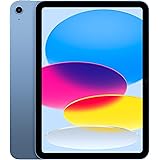
Apple iPad 11-inch: A16 chip, 11-inch Model, Liquid Retina Display, 128GB, Wi-Fi 6, 12MP Front/12MP Back Camera, Touch ID, All-Day Battery Life — Blue
$379.00 (as of November 25, 2026 03:28 GMT +00:00 - More infoProduct prices and availability are accurate as of the date/time indicated and are subject to change. Any price and availability information displayed on [relevant Amazon Site(s), as applicable] at the time of purchase will apply to the purchase of this product.)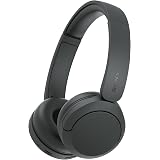
Sony WH-CH530 Wireless On-Ear Bluetooth Headphones with Microphone, Black | Comfortable Lightweight Design, Up to 55 Hrs Battery with Quick Charging, Multipoint Connection, Clear Calls, Swivel design
$38.00 (as of November 25, 2026 03:38 GMT +00:00 - More infoProduct prices and availability are accurate as of the date/time indicated and are subject to change. Any price and availability information displayed on [relevant Amazon Site(s), as applicable] at the time of purchase will apply to the purchase of this product.)
EDPACP Interactive Dog Toys, Motion Activated Dog Toy for Boredom(Blue) | Automatic Moving and Rolling Dog Toy with Rope for Medium and Large Dogs, USB Rechargeable
$18.99 (as of November 25, 2026 03:28 GMT +00:00 - More infoProduct prices and availability are accurate as of the date/time indicated and are subject to change. Any price and availability information displayed on [relevant Amazon Site(s), as applicable] at the time of purchase will apply to the purchase of this product.)










Post Comment