
Unlock the Secret Hybrid Training Method That Powers Champions to Run Faster and Lift Heavier—Are You Ready to Dominate?
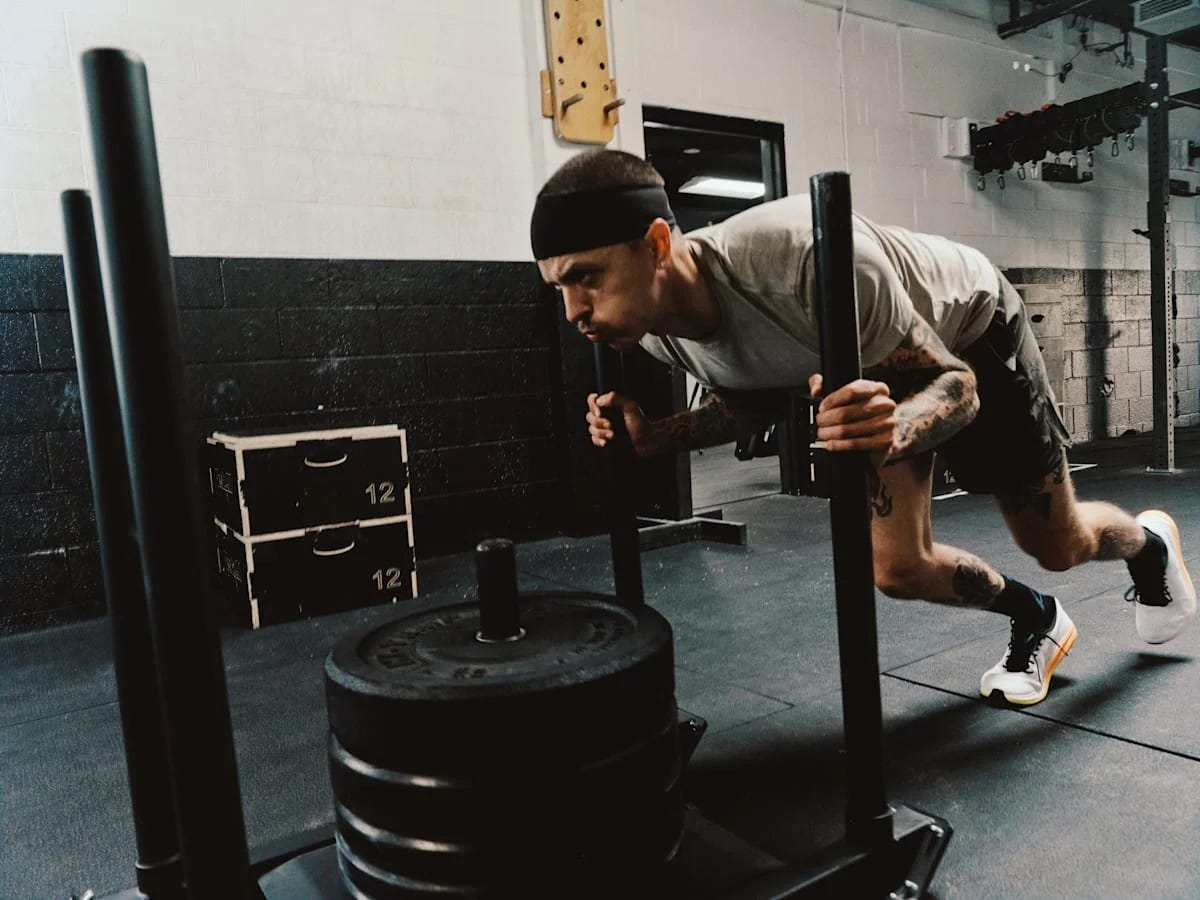
Ever wonder why running and lifting are pitted against each other, like some epic showdown of sweat and muscle? Well, buckle up — those jogs around the block aren’t the villains in your muscle-building saga. In fact, weaving some miles into your strength routine might just be the secret sauce to supercharge both endurance and power. Crazy, right? Research even backs it up: a review study showed that blending aerobic moves with resistance training can pump up your muscle size and strength just as well as smashing the weights solo. And guess what? The magic flows both ways — smart lifting techniques can make your running game way more efficient, too. But here’s the kicker: it’s not just about scheduling those workouts or managing recovery. Your feet — yeah, those often-overlooked powerhouses — play a starring role in keeping you steady under heavy bars and quick on your feet during sprints. Ready to dive into how to juggle running and lifting without trashing your gains or your feet? Let’s get into the nitty-gritty of balancing your routine, fortifying the feet that hold you up, and picking the perfect kicks for every workout hustle. LEARN MORE
 4 min read
RUNNING SOMETIMES GETS a bad rap in the weight room, as if a few laps around the block will somehow undo all those hard-earned gains. Turns out, the two activities aren’t the rivals they’re made out to be. Adding miles to your strength routine can build endurance to back up all that muscle. A review study found that combining aerobic exercise with resistance training produced gains in muscle size and maximal strength similar to lifting alone. The benefits work in reverse, too: Smart strength work can also help make you a more efficient runner.
The result? A body that can move serious weight, cover some ground, and handle whatever else you throw at it. Of course, getting the most out of running and lifting takes some strategy, from how you schedule your workouts to how you manage recovery. Another important factor is foot health, which can affect both your big lifts and running splits.
Here’s how to balance running and lifting in your routine, strengthen the feet that support both, and choose shoes for each workout.
Train Hard, Schedule Smarter
YOUR TRAINING SCHEDULE should reflect your priorities. Focused on building strength? Keep your toughest gym sessions front and center and work easy-paced runs around them. Training for a race? Schedule your key runs first. “If your goal is strength, you can’t show up tired,” says Courtney Conley, DC, a chiropractic physician specializing in foot mechanics who recommends separating demanding running and lifting workouts when possible to allow for recovery. Either way, she suggests hitting the weights two to three times a week without going all-out every session.
But if you’re running and strength training, consider also building your explosive power. “You have to train the spring, train that reactive quickness,” Conley says. This is where plyometrics like jumps and hops train you to generate force quickly, absorb impact, and rebound. And, this comes in handy whether you’re sprinting, changing direction on the court, or charging uphill. It will also help your big lifts in the gym, particularly squats, deadlifts, and any type of Olympic lift because it develops things like neuromuscular coordination—allowing you to implement full-body movement patterns and stabilize heavy loads faster; and the rate of force development—how fast you can turn your strength on.
Just make sure you train this way early in your workout, not at the end. “You don’t want to do plyometric training when you’re fatigued,” Conley cautions. Doing so can compromise your form, making those explosive moves less effective and potentially increasing your risk of injury.
Your Secret Power Source
THE BODYPART THAT makes all of this training possible is your feet. Their small muscles help you maintain balance, support your arches, and control movement under load. During a squat, for example, those muscles help provide a stable base as you drive through your legs and hips. “Deadlifting is a foot action,” Conley explains. “You’ve got to feel your mid foot and press it into the ground to stabilize your body.”
Running demands just as much. Every stride is essentially a single-leg hop, with your feet and ankles absorbing impact, storing energy, and releasing it to propel you forward. In her practice, Conley sometimes sees clients with weak feet or Achilles issues. “When they go to hop, they sink into the ground, and there’s just no spring out of that system.” It’s one more reason those muscles below your ankles deserve just as much attention as your quads and glutes.
And while you could do specific mobility exercises for your feet, those small muscles get quite a workout when performing single-leg moves that help build strength, balance, and stability.
This Is Where Shoe Selection Comes in
WHEN YOU TRADE weights for miles, what you need underfoot changes. Your plush running shoes may be great on the road, but they’re no match for the weight room. “When you’re in the gym and you want to lift heavy things, you cannot be wearing your 45 millimeter stack height cushion shoe that has a toe spring on it,” Conley says. “You can’t feel the ground.” For strength training, look for a firm, relatively flat sole that keeps you grounded when the weights get heavy.
One thing to consider is looking for a shoe that allows for balanced weight distribution across the foot. Another is a wide toe-box that allows for your toes to splay. When your big toe has the space to remain straight, it can help keep you stable. It’s this last principle behind the Altra Fit that allows your foot to function naturally: a roomy toe box that gives your toes space while keeping the midfoot secure, rather than making the whole shoe wider. “The widest part of your foot should be your toes,” Conley explains.
And it is this design that can help you choose shoes for running, strength training, or both, that allow your feet to get stronger during all these activities because they support them. “The whole reason I love Altra running shoes so much is because they respect the anatomy of the foot,” Conley says.
Altra offers different cushioning levels, stack heights, and heel-to-toe drops. “If you’re new to this conversation of foot health and strength training, you cannot go zero to 100,” Conley says. In other words, match your shoes to the workout, and if you’re switching to lower-stack or zero-drop footwear, give your feet and calves time to adapt. Here are some Altra shoes to consider:

If you are someone who goes from the weight room to a run (or vice versa), the Escalante 5 keeps things lean with a 24mm stack that has a zero-drop and wide toebox that gives you a stable platform during your heaviest lifts. And for your runs, the responsive EGO cushioning allows you to strengthen your foot with each step no matter whether you are leisurely jogging, crushing speedwork, or doing errands.

If you like to hit the trails with some weight training on the side, the Lone Peak 9 adds a little more cushioning and a grippy MaxTrac outsole for tackling rocky, uneven trails. It also features the Altra’s Original FootShape™ fit and zero-drop platforms that keep your heel and forefoot level.

Smart Interactive Jumping Ball 2027 New Durable Motion Activated Toys | Electric Automatic Moving Rolling Jumping Dog Toy Ball, Upgrade Automatic Bouncing for Indoor Chase Play
$15.95 (as of November 25, 2026 03:28 GMT +00:00 - More infoProduct prices and availability are accurate as of the date/time indicated and are subject to change. Any price and availability information displayed on [relevant Amazon Site(s), as applicable] at the time of purchase will apply to the purchase of this product.)
Liquid Death Soda Alternative - Doctor Death (Cherry, Cream, Spice), 10 Calories, 2g Sugar, No Caffeine, No Artificial Colors or Dyes, Soda Flavored Sparkling Water, 12 Fl Oz (Pack of 12)
$10.92 (as of November 25, 2026 03:25 GMT +00:00 - More infoProduct prices and availability are accurate as of the date/time indicated and are subject to change. Any price and availability information displayed on [relevant Amazon Site(s), as applicable] at the time of purchase will apply to the purchase of this product.)
Amazon Kindle Paperwhite Signature Edition 32GB (newest model), Thinner, new aluminum design, 7" display, Auto-adjusting front light, Seaglass Green
$249.99 (as of November 25, 2026 03:38 GMT +00:00 - More infoProduct prices and availability are accurate as of the date/time indicated and are subject to change. Any price and availability information displayed on [relevant Amazon Site(s), as applicable] at the time of purchase will apply to the purchase of this product.)
Blue Buffalo Health Bars Bananas & Yogurt Dog Biscuits, 16 oz | Oven-Baked, Crunchy Texture, For All Breed Sizes, No Corn, Wheat, or Soy
$3.79 (as of November 25, 2026 03:25 GMT +00:00 - More infoProduct prices and availability are accurate as of the date/time indicated and are subject to change. Any price and availability information displayed on [relevant Amazon Site(s), as applicable] at the time of purchase will apply to the purchase of this product.)













Post Comment