
Unlock the Power: The Childhood Snacks Nutritionists Swear By That Crush Junk Food Myths and Fuel Real Growth!
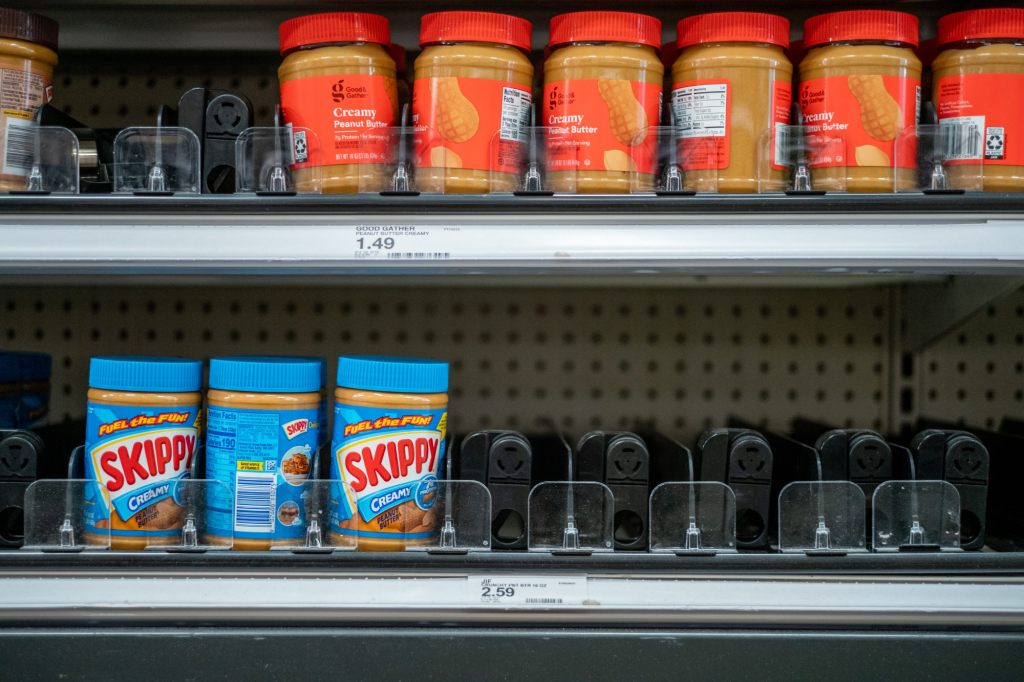
Ever find yourself standing in front of a pantry loaded with snacks, wondering if any of them are actually good for your kids? I mean, it’s like a battlefield out there — childhood favorites squaring off against nutritionist-approved picks. Which do you trust? Which still deserve a cozy lunchbox spot without all the guilt? It’s a question that’s bugged me (and probably you) more times than I can count. Turns out, the secret isn’t about reinventing the wheel but about combining the right combos—protein, healthy fats, fiber, and carbs—to keep those little tummies happy and healthy. Ready to dive into the snack showdown and find out which treats make the cut, and which ones are better left on the shelf? Spoiler alert: some classic staples are still rocking the snack game just fine. LEARN MORE
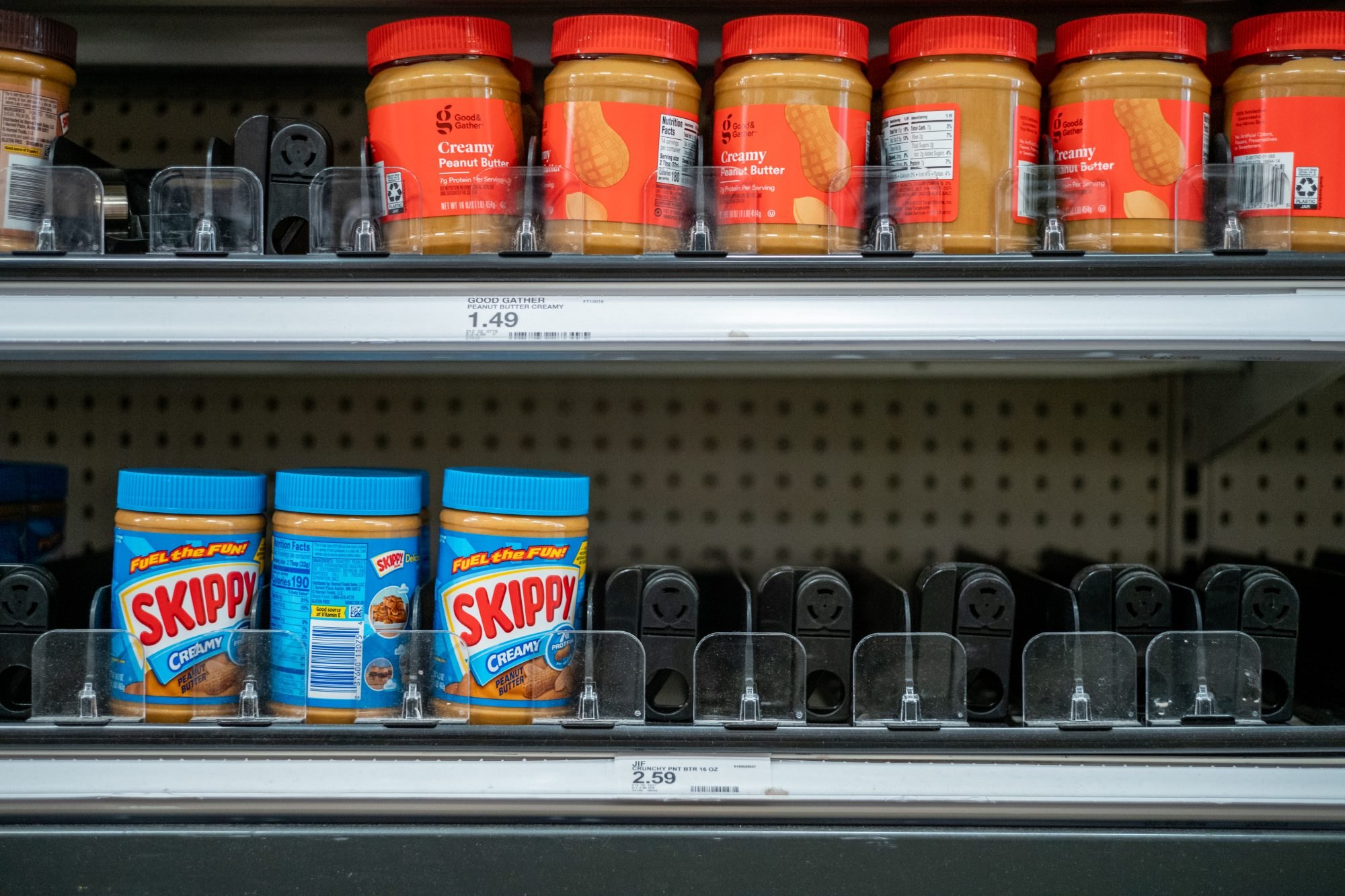
Parents scanning pantry shelves for smarter options are asking which snacks for kids actually hold up to nutritionist scrutiny, and which childhood classics still earn a spot in the lunchbox.
What snacks do nutritionists recommend for kids?
Nutritionists still lean on simple pairings that combine protein, healthy fats, fiber and carbohydrates, with several childhood classics topping the list.
Ants on a log, made from celery, peanut butter and raisins, remains a go-to. Peanut butter and banana pulls protein, healthy fats, fiber and carbs into one grab. Apple slices with peanut butter give parents an easy way to pair carbohydrates with protein and fat. Cheese and crackers, the lunchbox staple, can get a modern upgrade with whole-grain crackers and a higher-protein cheese. Together, these pantry classics form the base most dietitians recommend building a kid’s snack routine around, according to Eat This Not That.
Are Olipop and Magic Spoon healthier snack swaps for kids?
Both are pitched as better-for-you versions of childhood favorites, with big cuts to added sugar and boosts in fiber or protein.
Writing for Eat This Not That, Olivia Tarantino said of the root beer swap, “You’re not just saving yourself from sipping on 42 grams of sugar per can by opting for this over Barq’s Root Beer, but you’re also doing your digestive system a service. OLIPOP Sparkling Tonics contain a whopping nine grams of prebiotic fiber per serving. That’s a third of your daily value of fiber, nearly as much as what’s in three cups of carrots! The bonus is that this prebiotic fiber is essential for allowing the beneficial probiotic bacteria to heal your gut.”
What about Magic Spoon cereal for a kid-friendly breakfast?
Magic Spoon is designed to cut sugar and carbs while stacking on protein in a category that traditionally piles on added sugar.
Tarantino wrote, “Kids cereal is one of the foods that contribute the most amount of added sugar to a growing child’s diet. You don’t need that as an adult. Magic Spoon one-ups the unhealthy cereals by not only reducing the amount of sugar per serving of their cereal but also the carbs. The result is a keto-friendly cereal with only 3 grams of net carbs, and a whopping 11 grams of protein. So, yes, you can feel good about eating a bowl of cereal for breakfast.”
Is chocolate milk a healthy after-school snack?
Low-fat chocolate milk can work as part of a balanced snack because it combines protein, fat and carbohydrates, even with the added sugar.
Anna Smith, M.S., RDN, LDN, told Eating Well, “Low-fat chocolate milk does contain added sugar, but it also offers protein and [a little] fat. That combination helps slow digestion and gives you a more balanced beverage overall.”
The pairing logic mirrors what nutritionists say about classic combinations like peanut butter and banana or apple slices with peanut butter, which bring together protein, healthy fats, fiber and carbohydrates in a single serving.
Are pretzels a good snack for picky eaters or kids with ADHD?
Pretzels can be a helpful quick option for kids who struggle to finish meals or need extra protein, according to a registered dietitian.
Dr Taylor Arnold, a registered dietitian with a doctorate in nutrition, told The Guardian, “Kindling pretzels have added protein, which most kids don’t need. But some kids are struggling with growth or protein intake, or, for example, may have ADHD and have a hard time finishing their meals at lunchtime, and need something quick and easy. These offer 8 or 9g of protein per serving.”
Arnold framed the pretzels as a targeted option for specific needs rather than an everyday staple, noting that most kids do not need the added protein.
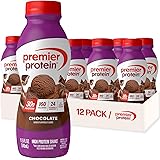
Premier Protein 30g High Protein Shake, Chocolate, 12 Pack | 160 Calories, 24 Vitamins & Minerals, No Added Sugar, Supports Muscle Health, Gluten-Free, 11.5 oz
$29.26 (as of October 13, 2026 03:09 GMT +00:00 - More infoProduct prices and availability are accurate as of the date/time indicated and are subject to change. Any price and availability information displayed on [relevant Amazon Site(s), as applicable] at the time of purchase will apply to the purchase of this product.)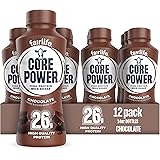
Core Power Fairlife 26g Protein Milk Shakes, Liquid Ready To Drink for Workout Recovery, Chocolate, 14 Fl Oz Bottle (Pack of 12)
$41.88 (as of October 13, 2026 03:09 GMT +00:00 - More infoProduct prices and availability are accurate as of the date/time indicated and are subject to change. Any price and availability information displayed on [relevant Amazon Site(s), as applicable] at the time of purchase will apply to the purchase of this product.)
PAYHTOW Dog Halloween Costumes, Funny Dog Cowboy Rider Costume, Adjustable Pet Halloween Cosplay Costume for Small Medium Large X-Large Dogs (XX-Large)
$16.99 (as of October 13, 2026 03:21 GMT +00:00 - More infoProduct prices and availability are accurate as of the date/time indicated and are subject to change. Any price and availability information displayed on [relevant Amazon Site(s), as applicable] at the time of purchase will apply to the purchase of this product.)
(2 Pack) Replacement Remote Control for Roku TV, for TCL Roku/Onn Roku TVs | for Hisense Roku/Sharp Roku/Element Roku/Westinghouse Roku/Philips Roku Smart TV (Not for Stick & Box) Ready Out of the Box
$9.98 (as of October 13, 2026 03:21 GMT +00:00 - More infoProduct prices and availability are accurate as of the date/time indicated and are subject to change. Any price and availability information displayed on [relevant Amazon Site(s), as applicable] at the time of purchase will apply to the purchase of this product.)











Post Comment