
Unlock the Secret Formula Behind Founder Paychecks: How Smart Entrepreneurs Master Salary and Dividends to Keep More Wealth in Their Pockets

Ever catch yourself thinking, “I set my salary once—why mess with perfection?” Well, that’s exactly the trap most incorporated founders stroll right into. Three years down the road, your company might be juggling different numbers, ambitions, and maybe even an expanded team — yet your paycheck sits frozen in time, oblivious to the hustle. It’s like hitting cruise control on a mountain road, hoping the car figures it out. Here’s the kicker: your corporation isn’t just a fancy title; it’s a separate taxpayer with doors leading your hard-earned profits right to you — but each door leaves a different trail on your tax bill. The gap between just winging your compensation and engineering it? Often wide enough to bankroll a whole new hire. The magic behind this isn’t rocket science — it’s a clever dance called “integration,” where salary, eligible dividends, and non-eligible dividends all play their part. Get the rhythm, and the blueprint to optimize your paychecks almost writes itself. Curious how one founder turned an “I’ll leave it as is” habit into a payday optimized for growth and tax efficiency? Buckle up — this might just change how you think about your own paycheck.

Most incorporated founders decide how to pay themselves exactly once, usually in a hurry, usually during the first year the company finally turns a profit. The number gets set, payroll runs, and nobody revisits it. Three years later the business looks nothing like it did, but the compensation plan has not moved an inch.
That is the quiet cost of treating pay as an administrative detail rather than a design decision. Your corporation is a separate taxpayer, and every dollar it earns eventually crosses into your hands through one of a few doors. Which door you use changes the bill, and the gap between a lazy choice and a deliberate one is often wide enough to fund a hire.
The encouraging part is that the underlying logic is not complicated once someone lays it out on the table. Salary, eligible dividends, and non-eligible dividends each behave differently, and the framework connecting them has a name: integration. Understand integration, and the blueprint mostly writes itself.
The Founder Who Paid Herself Out of Habit
Priya incorporated her design studio in her second year of freelancing, mostly because a large client insisted on it. She set her salary at four thousand a month because it covered rent and felt responsible. The studio grew, retained earnings piled up quietly, and that salary stayed exactly where she had first put it.
Her accountant eventually flagged the mismatch. The company was paying tax on profit it never distributed, while Priya paid personal tax on a figure that no longer matched what the business could support or what her life actually cost. Neither number was wrong on its own. Together they parked money in the least useful place available.
What changed her thinking was not a spreadsheet. It was noticing that her compensation was a single lever with three settings, and she had never once touched two of them.
What Corporate Tax Integration Is Trying to Do
The system rests on a principle called integration: a dollar of business income should face roughly the same total tax whether you earn it personally or route it through a corporation first. The company pays tax when it books the profit, then you pay again when that profit reaches you as a dividend, which sounds a great deal like double taxation and would be, if the story ended there.
It does not end there. The dividend rules exist to credit you for tax the company already paid, so the two layers combine into something close to what a single layer would have cost. Canada runs a partial version of what tax specialists call dividend imputation, and while the arithmetic never lands perfectly, it lands near enough that the salary versus dividend question is rarely about raw tax savings.
That is the first useful correction to founder folklore. Dividends are not a loophole, and salary is not a penalty. They are different instruments carrying different side effects, and the side effects are where the real decisions live.
The Gross-Up and the Dividend Tax Credit, Without the Jargon
Here is the mechanic, stripped of ceremony. When a dividend lands on your personal return, you do not report the cash you received. You report a larger, grossed-up figure meant to approximate the pre-tax profit the company began with, and you are then handed a credit for the tax it is deemed to have paid on your behalf.
How big that gross-up runs, and how generous the credit is, depends entirely on which kind of dividend you took. That is where eligible vs non-eligible dividends stops being a bookkeeping label and starts shaping your actual cash flow. Eligible dividends flow from income taxed at the general corporate rate, so they carry a larger gross-up and a larger credit. Non-eligible dividends flow from income that already enjoyed the small business deduction, so the company paid less and your credit shrinks to match.
Most founder-run corporations distribute non-eligible dividends, simply because most of their profit sits inside the small business limit. Push past that limit, or hold income taxed at the general rate, and eligible dividends enter the conversation. Knowing which pool a payment draws from tells you what the personal tax will look like before you declare a cent.
The Case Salary Still Makes for Itself
Dividends skip payroll deductions, which is precisely what makes them tempting and precisely what makes them incomplete. Salary counts as earned income, and earned income is what generates retirement contribution room, pension credits, and a believable figure on a mortgage application. Dividends do none of that work for you.
Salary also gets deducted by the corporation, trimming its taxable income and sometimes keeping it beneath thresholds that genuinely matter. Dividends come out of after-tax profit, so they shrink the corporate bill by nothing at all. For a founder building personal retirement room, or one who expects to borrow in the next few years, a reasonable salary usually earns its keep.
There is a discipline angle too. Running real payroll forces a clean line between what the company owns and what you own, and founders who hold that line find it far easier to separate personal borrowing from business finance when something unexpected hits.
Building a Mix That Matches the Year You Are Having
The blueprint is not a fixed ratio you set and forget. It is a short annual conversation, ideally held before year end rather than during the scramble in spring. Start with what the corporation actually earned and which rate that income was taxed at, because that determines which dividend pools are even available to you.
Then look at your own year. A founder buying a house wants earned income on record. A founder in a low-income year might pull dividends cheaply and leave the salary small. A founder whose company just crossed the small business threshold has a genuinely new option worth pricing out. The same business can justify three completely different answers in three consecutive years, and that is a feature rather than a flaw.
Priya rebuilt her plan over one afternoon. She kept a modest salary to protect her contribution room, declared a non-eligible dividend to move the retained cash she had been ignoring, and set a reminder to revisit both numbers each November. Her total tax barely moved. What moved was her clarity about where the money sat and why.
That is really the point. Integration means you are unlikely to outsmart the tax system with a clever structure, so the win comes from matching your compensation to your life and your balance sheet instead of leaving it on whatever setting you chose in year one. The founders who do this well are not tax experts. They are simply the ones who treat their own pay as a decision worth making twice.
Book the review, bring your accountant the real numbers, and give the question one honest hour. It is the cheapest hour on your calendar, and it compounds every year you keep the habit.
<!–
–>

Nespresso Capsules Vertuo, Variety Pack, Medium and Dark Roast Coffee, 30 Count Coffee Pods, Brews 7.8 oz.
$42.00 (as of October 16, 2026 03:09 GMT +00:00 - More infoProduct prices and availability are accurate as of the date/time indicated and are subject to change. Any price and availability information displayed on [relevant Amazon Site(s), as applicable] at the time of purchase will apply to the purchase of this product.)
Open Ear Wireless Earbuds Bluetooth Headphones, 80H Playtime Stereo Ear Buds with ENC Noise Cancelling, Fast Charging, IPX7 Waterproof Sports Earphones with Earhook for Running/Workouts (Black)
$26.98 (as of October 16, 2026 03:33 GMT +00:00 - More infoProduct prices and availability are accurate as of the date/time indicated and are subject to change. Any price and availability information displayed on [relevant Amazon Site(s), as applicable] at the time of purchase will apply to the purchase of this product.)
Coca-Cola Zero Sugar Soda Soft Drink Fridge Pack Cans, 12 fl oz, 12 Pack | Carbonated cola soda pop with zero calories
$7.68 (as of October 16, 2026 03:09 GMT +00:00 - More infoProduct prices and availability are accurate as of the date/time indicated and are subject to change. Any price and availability information displayed on [relevant Amazon Site(s), as applicable] at the time of purchase will apply to the purchase of this product.)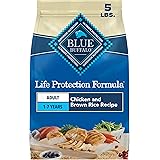
Blue Buffalo Life Protection Formula Chicken Adult Dry Dog Food, 5 lb | Real Chicken #1 Ingredient, Supports Immunity with Antioxidant-Rich LifeSource Bits, Promotes Healthy Muscle Development
$14.97 (as of October 16, 2026 03:11 GMT +00:00 - More infoProduct prices and availability are accurate as of the date/time indicated and are subject to change. Any price and availability information displayed on [relevant Amazon Site(s), as applicable] at the time of purchase will apply to the purchase of this product.)













Post Comment