
Unlock the Surprising Science Behind Why Your Brown Hair Keeps Flipping to Red—And What You Can Do About It!

Ever grabbed a box dye off the shelf, hoping for a rich, dark brown that’s cool as a cucumber, only to find yourself caught red-handed—literally—with fiery auburn strands a couple of weeks later? Yep, been there, done that. Two years ago, I dove headfirst into the world of at-home hair coloring, dodging gray hairs and salon time like a pro, all for that elusive, no-warmth deep brown. Spoiler alert: it’s way trickier than it looks. Turns out, hair dye is as much art as science—a delicate dance of pigments, oxidation, and your own hair’s personality. So why does that “cool as ice” brown turn into a surprise ginger when sunlight hits? And what clever tweaks can keep your color looking fresh and flawless without the salon grind? Buckle up, because this isn’t your average how-to; it’s a deep dive into the quirks of hair color chemistry, expert hacks, and the secrets to outsmarting the dreaded reddish fade. Ready to untangle the mystery and keep your tresses true to tone? Let’s get into it. LEARN MORE
 4 min read
I began dyeing my hair in earnest two years ago with (gasp!) box dye. My grays were becoming more pronounced, and after I had my son, my natural brown hair felt dull and muted. I didn’t want to go blonder, lighter, or more golden, and I don’t have time to sit in a salon for hours. I wanted a deep, dark brown—with no hint of warmth. So I grabbed a dye off the shelf that promised just that.
Who knew that achieving a cool, ashy deep brown would be so tricky, both in and out of the salon? The problem goes something like this: I color my hair, and it looks amazing. It’s rich, it’s deep, it’s cool-toned. A week or two later, I catch a glimpse of my hair in the sunlight and realize I’m literally a redhead. My hair turned red. Red hair is beautiful, but if I wanted red hair, I would have dyed it that way. What gives?


“Artificial hair color always oxidizes, and it almost always reveals warm tones,” says Jenna Mast, a hairdresser at Bond in Hoboken, New Jersey. “There are things you can do to delay it or minimize it, but regular salon visits are important.” Hair color is both an art and a science. “Simply put, it is oxidation of the color, which reveals the underlying pigment of the hair that was colored,” says Mast. “Artificial color molecules are put into the hair strand, and as the cuticle is opened—whether with heat, chemicals, time—the artificial color molecules escape and reveal the natural underlying melanin in the hair.”
Think of it like painting. The blue color molecule in most dyes is the largest, so it leaches out of the hair first over time. Without the blue toning your hair, the warm pigments (yellows and reds) become more pronounced. This is true for both salon dyes and box dyes, but in the salon, Mast says, your colorist can custom-mix a demi- or semipermanent formula using specific color lines to minimize hair swelling and damage. “A higher amount of peroxide always equals more warmth exposed,” she says.
Our hair’s natural warmth and texture also play a role. “Every person has a different melanin concentration in their hair strands, and it doesn’t correlate to skin color the way we often think of melanin. Somebody who naturally has super dark hair, thick strands with highly concentrated melanin, is always going to have more warmth,” she notes. “Whereas somebody with softer, finer hair that’s also very dark might not have as much warmth.” That’s where a pro colorist can mix the right dye to neutralize your hair’s unique baseline tone. “As a colorist, I always pull from my art background,” she adds. “If I were painting the same tone watercolor over multiple different starting tones, it would look different on each one.” Mast continues: “A lot of people tend to think, ‘I just want cool brown; it should be simple,’ but depending on your unique hair strand, styling, and lifestyle, a formulation is more than choosing a swatch in a color book.”

This in-shower gloss and toner helps boost your hair color and shine and eliminate red tones with a green pigment.
Box dyes, like the ones I use and love, complicate things even more. “Box dye is tricky; it’s meant to be a one-size-fits-most product. The box cannot determine your grey percentage, porosity, environment, etc.,” she says. Box dyes can be harsh, swelling the hair’s cuticle to improve gray coverage but also boosting warmth. They also don’t apply color evenly from your fresh, gray roots to your many-times-dyed ends.
So what can a girl do to keep her cool tone? “Sometimes, a small tweak in your formulation or routine can help prevent the dreaded red from showing through brown color,” Mast advises. “The shower is so important. I think so many people would benefit from shower filters or a water softener.” High chlorine levels (in a pool or at home) or unfiltered heavy metals can fade your hair color—and those blue molecules—prematurely. “You don’t need to get a super expensive filter or own a home or even a wrench… I suggest my clients check out the Aquabliss hair filter. It’s less than $40 and attaches behind your showerhead, so it is very easy and even works for handheld and rain showers.”

Mast’s favorite shower filter, which is easy to install and costs less thn $40.
Then there’s the matter of product. “Personally, my go-to product to maintain colored hair is L’Oréal Metal Detox Spray before the color service. For take-home products, I like to use Redken Acidic Conditioner to maintain hair health.” As for shampoo, she says L’Oréal Vitamino Color Spectrum is fantastic. And be mindful if you’re using a dandruff-fighting shampoo, as it will oxidize your color faster. “Color oxidation is inevitable,” she adds. “The idea is that the products you use should delay it enough until your next touch-up.”

Mast’s favorite color-safe shampoo for dyed hair.
To keep the red out of your hair between dyeing sessions, the best thing you can do, besides minimizing heat damage, filtering your water, and using the right shampoo, is reach for a color-depositing conditioner or in-shower toner. “I have always been a huge fan of Christophe Robin. They have an ash-brown conditioning treatment that not only makes your hair feel amazing but also neutralizes brassy/red tones,” Mast suggests. “IGK makes color-depositing masks in pastel green and blue that you can mix with conditioner to cancel out unwanted tones. Fanola was very popular years back for its potent purple shampoo for blondes; now it makes a green shampoo. And Matrix has a blue shampoo that can neutralize orangey tones.”
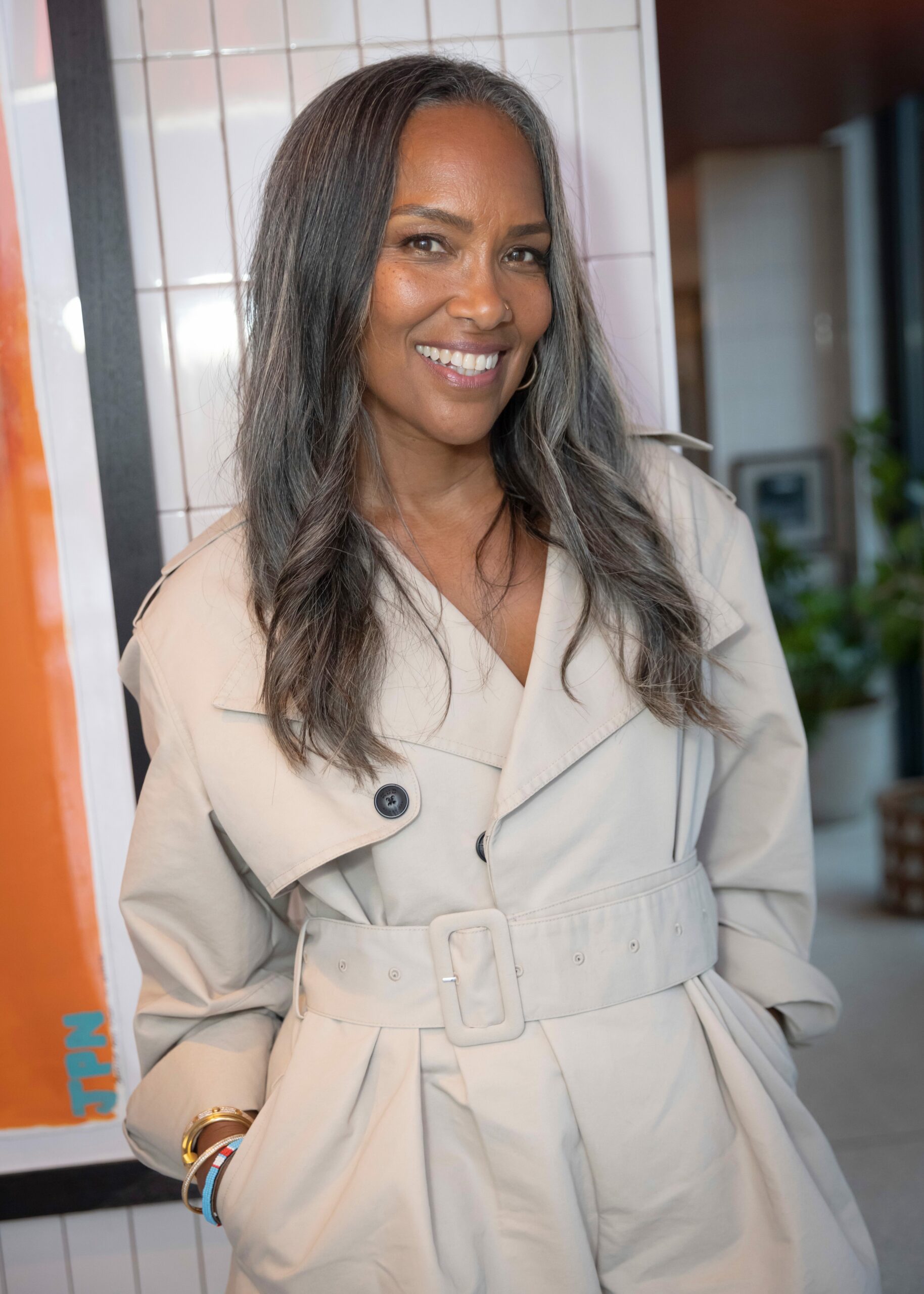
Achieving the perfect shade of cool brown is anything but simple, but the right products and routine can help. “Brown hair is not boring, and having tones complementary to your own skin tone can truly elevate your self-confidence in ways a new lipstick or blush would never,” Mast says. “While not everyone can afford to see an experienced colorist or even go to a salon, understanding as much as you can about your own hair and your color goals will help you make the best decisions before you reach for a box.”

HANYCONY Surge Protector Power Strip, 1080J, 5 Ft Braided Extension Cord | 8 Outlets 4 USB Ports(2 USB C), Outlet Extender, Flat Plug, Wall Mount, Desk Charging Station, Home Office, Dorm Room ETL
$9.98 (as of October 17, 2026 03:21 GMT +00:00 - More infoProduct prices and availability are accurate as of the date/time indicated and are subject to change. Any price and availability information displayed on [relevant Amazon Site(s), as applicable] at the time of purchase will apply to the purchase of this product.)
Fujifilm Instax Mini Instant Film, 20 Sheets – White Daylight ISO 800 for Instax Mini 13, 12, 11, 41 Cameras –Bundeld with The Tudak Store Microfiber Cleaning Cloth
$32.95 (as of October 17, 2026 03:33 GMT +00:00 - More infoProduct prices and availability are accurate as of the date/time indicated and are subject to change. Any price and availability information displayed on [relevant Amazon Site(s), as applicable] at the time of purchase will apply to the purchase of this product.)
Petcarex Dog Dental Powder, Dog Teeth Cleaning Breath Freshener | Pet Tartar and Plaque Remover for Teeth, Tooth Cleaning Powder with Probiotics for Dogs of All Breeds, Duck Flavor
$23.99 (as of October 17, 2026 03:21 GMT +00:00 - More infoProduct prices and availability are accurate as of the date/time indicated and are subject to change. Any price and availability information displayed on [relevant Amazon Site(s), as applicable] at the time of purchase will apply to the purchase of this product.)
NAKESY Dog Calming Pheromones Diffuser 6 in 1 Kit Appeasing Pheromone Diffuser to Calm (2 Plug in+4 Pack 48ml Refill) for Anxiety Relief Reduce Aggression Fighting Barking Stress 120 Day Supply
$25.99 (as of October 17, 2026 03:21 GMT +00:00 - More infoProduct prices and availability are accurate as of the date/time indicated and are subject to change. Any price and availability information displayed on [relevant Amazon Site(s), as applicable] at the time of purchase will apply to the purchase of this product.)











Post Comment