
Unlock the Truth: How Quickly Can You Actually Build Bone Density and Crush Weakness for Good?
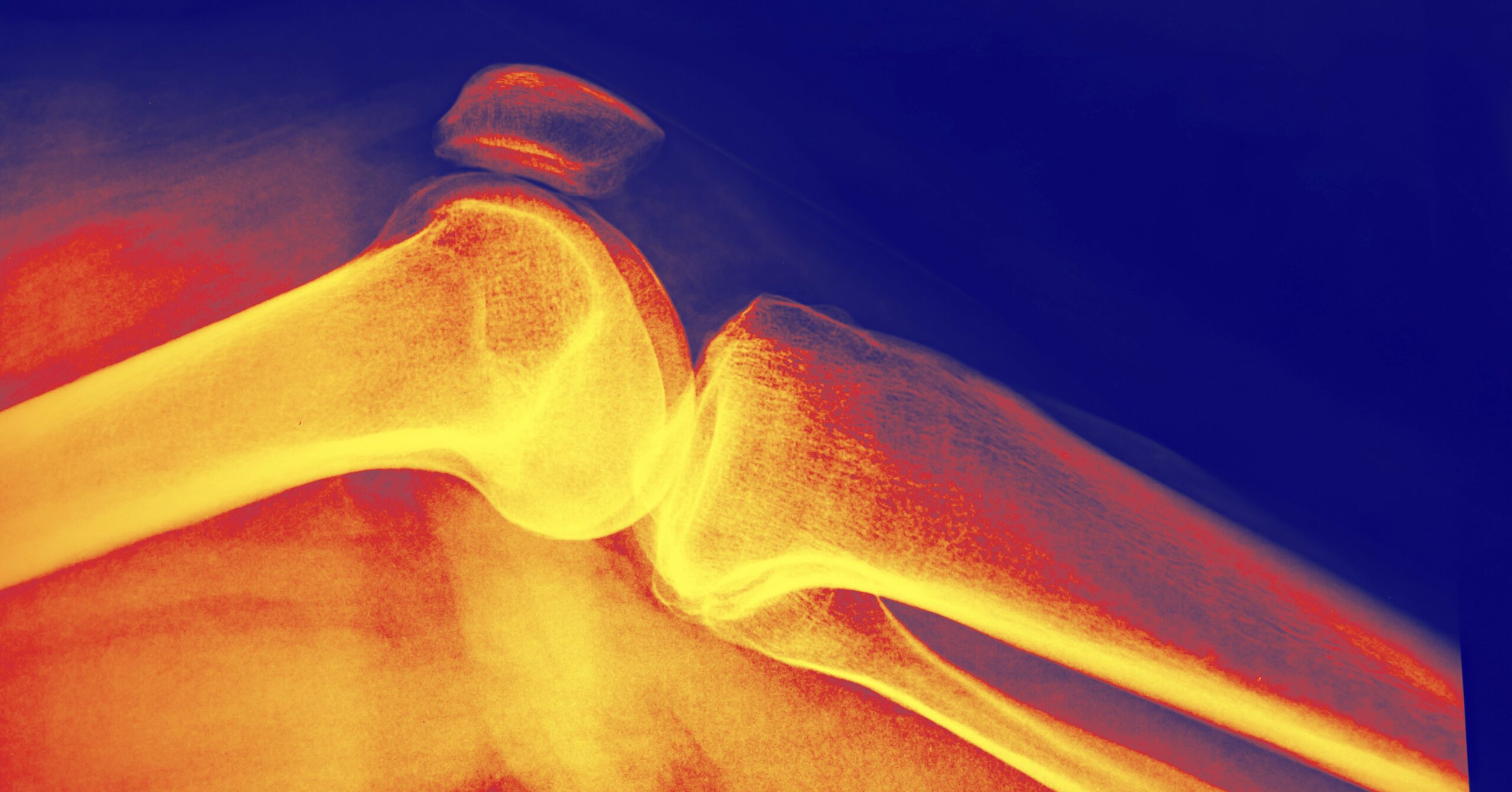
Ever caught yourself wondering why bone health often gets the short shrift until suddenly—bam!—osteoporosis flashes in the rearview mirror? It’s like ignoring that neglected Roth IRA until retirement looms, right? But here’s the kicker: bone health isn’t a “later-in-life” hustle—it’s a marathon, not a sprint. The truth? The stronger your bones are at 30, the less likely they’re cashing out early as you age. So, why are more women lately putting their energy into building bone density, aiming for that lasting longevity? And here’s the burning question: how long does it actually take to beef up those bones? Buckle up, because I’m diving into everything you need to know from the experts themselves—because your future self definitely owes you one for this. LEARN MORE
 5 min read
You might think of osteoporosis and low bone density as things only women of a certain age need to worry about, but the truth is that bone health is really best thought of as a long game. Just like a Roth IRA or retirement account, the more you invest now, the better prepared you’ll be later when you need it most.
That’s why you see so many women prioritizing their bone health lately; because increasing it has benefits that last you well into your 80s and beyond. But just how long does it take to increase bone density? Here’s everything you need to know.
Meet the experts: Donald Chuang, MD, is an orthopedic surgeon at Englewood Orthopedic Associates. Natasha Desai, MD, is a clinical assistant professor in the department of orthopedic surgery at NYU Grossman School of Medicine.
What It Takes to Increase Bone Density
First some bad news: “You reach your maximum bone density before your 30th birthday, and it begins to decrease every year when we reach the age of 40,” says Donald Chuang, MD, an orthopedic surgeon at Englewood Orthopedic Associates. So for anyone who’s reached either of those milestone birthdays, the name of the game has already pivoted from trying to increase bone density to preserving what you’ve already got—which is still extremely worthwhile.
The good news is that there is a lot you can do to slow down bone density loss. And, if you happen to be under 30, those preservative habits are the very same things that can increase your bones’ strength.
“It’s never too late to start making these changes,” says Natasha Desai, MD, a clinical assistant professor in the department of orthopedic surgery at NYU Grossman School of Medicine. “Building healthy habits is only ever going to help. That said, everything compounds on what you’ve done before.” So the earlier you can start, the better. Here’s what to start with.
Strength Training
Both Dr. Chuang and Dr. Desai stress the importance of resistance exercises like lifting weights and plyometrics for increasing or maintaining bone density.
“Strength training is one of the huge ones we’re really pushing,” says Dr. Desai. As for why, a quick anatomy lesson: when you’re doing load-bearing exercise, you’re putting pressure through your bones, which stimulates osteoblasts (the cells responsible for bone development) to do their job and build more bone tissue. So, if you’re strength training—with heavy weights in particular—not only are you strengthening your muscles, you’re also challenging your bones, which learn to adapt to the stress. Bones, like diamonds, are made under pressure.
While it’s the number one way to get there, building bone density isn’t just about lifting weights. Beyond strength training, Dr. Desai also recommends walking, running, plyometrics, or even vibration plates to give your bones a boost. Overall, adults should aim for at least 150 minutes of moderate-intensity exercise and two days of strength training per week to maintain healthy bones, according to the National Institutes of Health.
Try the exercises that Women’s Health recommends for building bone density.
Eating These Key Nutrients
When it comes to eating for better bone health, you’re going to want to focus on two key nutrients: calcium and vitamin D. Dairy products like milk, cheese, and yogurt are going to give you the most bang for your buck when it comes to calcium, but they’re not the only foods packed with bone-healthy nutrients. For the lactose intolerant among us, there are plenty of calcium-rich foods that don’t contain lactose, plus a wide range of calcium-fortified foods that are just as good for your bone health as milk. Beyond many kinds of seafood, you can turn to nuts or fortified orange juice for some calcium. “There are so many options now—all these vegan foods that are fortified,” Dr. Desai says. “You just have to pay attention and read the labels.”
Meanwhile, eggs, fatty fish (like salmon and mackerel), and leafy greens (kale, broccoli) can help ensure you’re getting enough calcium and vitamin D while remaining lactose-free, Dr. Chuang adds.
Of course, you can also take calcium or vitamin D supplements, though both doctors warn they’re not a solution to an otherwise unhealthy diet. “Calcium throughout the day is better than just one big bolus of calcium,” Dr. Desai says. Rather than thinking of hitting your daily dose of calcium or vitamin D as something you can knock out first thing in the morning with a pill or large serving of yogurt, it’s much easier for your body to actually absorb those healthy vitamins and minerals if they’re spread out across multiple meals. And, while it’s extremely difficult to overdose on either nutrient through diet alone, it is possible if you’re relying solely on supplements.
How Long It Takes to Increase Bone Density
As mentioned before, increasing bone density is most important for those in their teens and 20s, but whether you’re focused on bone growth or maintenance, it’s important to note that changes to your bones happen very slowly. Making changes to your diet or exercise routine will take anywhere from one to three years to really show up on a DEXA scan (a specialized X-ray that measures bone density). Bone health is a long-term project, so there are no quick fixes, unfortunately.
For women specifically, “as long as you’re menstruating and have good normal estrogen levels, you’re not really losing much bone,” Dr. Desai says. “Maybe less than one percent a year until you reach menopause.” At that point, the rapid changes in estrogen levels coupled with natural bone density loss through aging accelerates things up to about three percent loss per year. Then, once you’re post-menopause, it slows back down again to roughly one percent.
Those numbers are also assuming that you do not have other high-risk factors that may speed up bone loss. Heavy drinking and smoking, prolonged steroid use (like for asthma or autoimmune conditions), and repetitive stress fractures can all quicken bone density loss or prevent you from increasing your bone density in your 20s.
“The first step to improve bone health is a healthy balanced diet with regular weight bearing or resistance exercise in your life,” Dr. Chuang says. “Starting early and remaining consistent with diet and exercises remains a pillar to not just healthy bone density, but a healthy body as well.”

Abby Hepworth is a freelancer writer who covers all things running, wellness, and fashion. Her work has appeared on Runner’s World, PureWow, and Coveteur. She is an RRCA-certified run coach and is currently working toward USATF certification as well. If she’s not out for a run in Central Park, you can likely find her hiking and backpacking along the Sierra Nevada range out west.
HAOYUYAN Wireless Earbuds, Sports Bluetooth Headphones, 80Hrs Playtime Ear Buds with LED Power Display, Noise Canceling Headset, IPX7 Waterproof Earphones for Workout/Running(Black)
$23.98 (as of October 11, 2026 03:30 GMT +00:00 - More infoProduct prices and availability are accurate as of the date/time indicated and are subject to change. Any price and availability information displayed on [relevant Amazon Site(s), as applicable] at the time of purchase will apply to the purchase of this product.)
Premier Protein 30g High Protein Shake, Chocolate, 12 Pack | 160 Calories, 24 Vitamins & Minerals, No Added Sugar, Supports Muscle Health, Gluten-Free, 11.5 oz
$25.07 (as of October 11, 2026 03:09 GMT +00:00 - More infoProduct prices and availability are accurate as of the date/time indicated and are subject to change. Any price and availability information displayed on [relevant Amazon Site(s), as applicable] at the time of purchase will apply to the purchase of this product.)
Flea and Tick Collar for Cats 4 Pack, 8 Months Protection, Plant-Based Ingredients, Water-Resistant, Adjustable & Lightweight, Suitable for Adult Cats & Kittens, White
$27.99 (as of October 11, 2026 03:20 GMT +00:00 - More infoProduct prices and availability are accurate as of the date/time indicated and are subject to change. Any price and availability information displayed on [relevant Amazon Site(s), as applicable] at the time of purchase will apply to the purchase of this product.)
Amazon Kindle Paperwhite Signature Edition 32GB (newest model), Thinner, new aluminum design, 7" display, Auto-adjusting front light, Seaglass Green
$249.99 (as of October 11, 2026 03:30 GMT +00:00 - More infoProduct prices and availability are accurate as of the date/time indicated and are subject to change. Any price and availability information displayed on [relevant Amazon Site(s), as applicable] at the time of purchase will apply to the purchase of this product.)












Post Comment