
Why Ditching Heavy Weights for High Reps Transformed My Body—and Shocked My Trainer
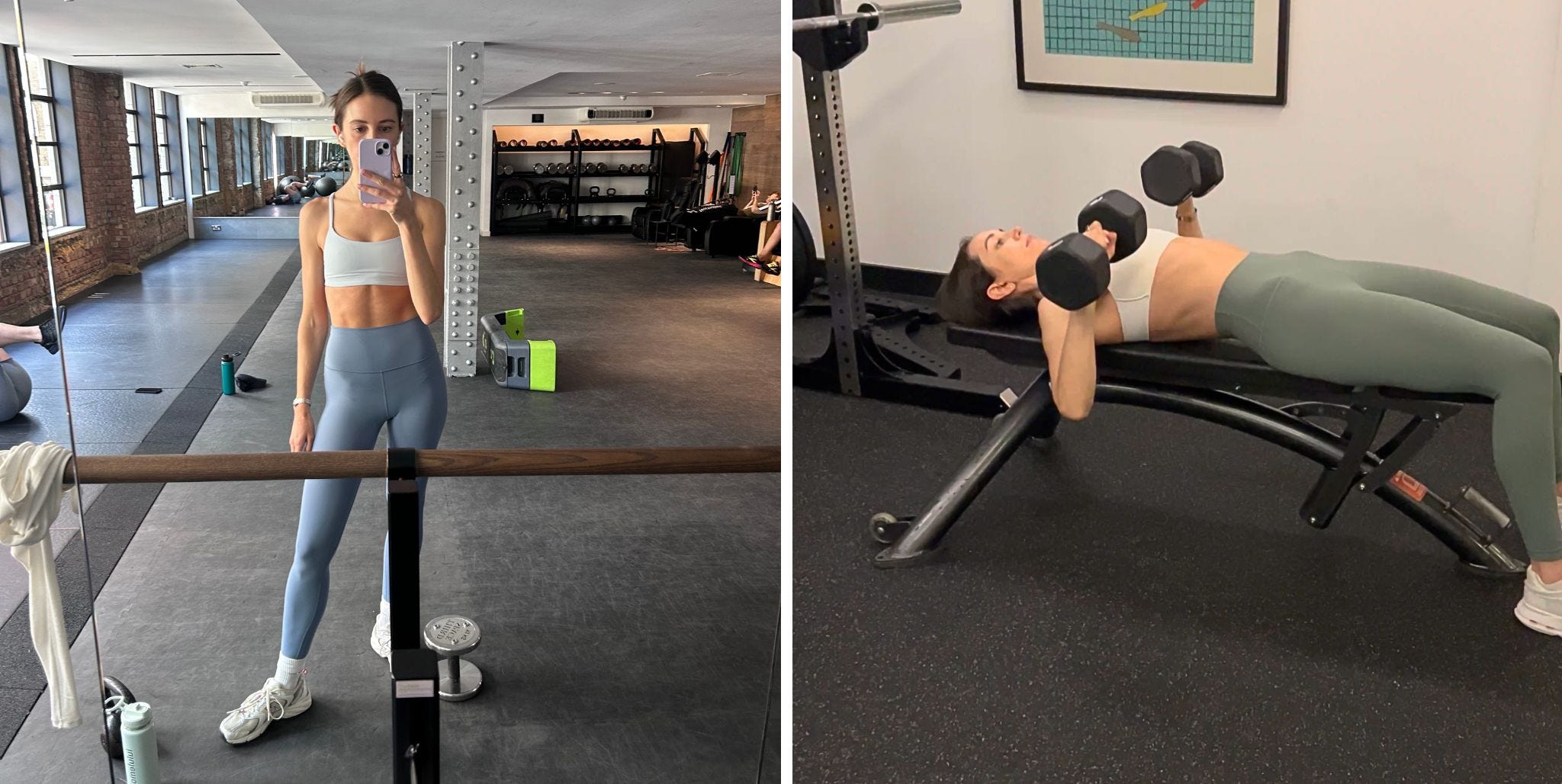
Ever found yourself pushing so hard in the gym that your body starts sending silent SOS signals—and you’re too busy flexing ego muscles to notice? Yeah, been there. After a decade-long battle with a pelvic stress fracture (thank you, overtraining and clueless recovery), I learned the hard way that sometimes it’s not the weights crushing you—it’s the mental grind beneath. For nearly 18 months, I was locked into a heavy low-rep routine, thinking I was on the fast track to gains, only to hit a wall of exhaustion and zero progress. Spoiler alert: more isn’t always merrier, especially when life’s stress pile-up starts to look like Everest. So, what if the secret wasn’t about slapping on more plates but dialing it back—lifting lighter, reps higher, nerves calmer? Nine months deep into this lighter, smarter hustle, I’m spilling the gritty truths and surprising muscle wins that come from trading brute force for endurance and control. Ready to rethink what strength really means? Let’s dive in. LEARN MORE
 6 min read
I’ve been hyperaware of overtraining ever since I suffered a pelvic stress fracture a decade ago. The injury came from excessive exercise and a lack of education around nutrition and recovery, but the signs I was pushing my body too far this time weren’t physical—they were mental.
Low-rep heavy-weight training had been my default for around 18 months at the point I started to notice something was off. I was constantly tired, struggling to recover, and despite doing everything right (on paper), I wasn’t getting stronger. If anything, I was going backwards. Training had become another stress layered onto my already overstretched nervous system.
To caveat, heavy, low-rep training is effective for building strength—but it’s also neurologically demanding. Which is why, as my baseline stress crept up with work, life, and a (still pending) house move, this approach to training no longer matched the body I was working with. But the solution wasn’t to stop or reduce training, it was simply to train differently.
With the advice of Joe Thornton, Fitness Manager and Elite Personal Trainer at Third Space London, I did something that would probably feel counterintuitive to many of you reading this: I went lighter. I started to lift less—but for more reps (10-20). Now, nine months on, here’s everything it taught me, including how high-rep low-load training can be used strategically—and why, in the right context, it can be more effective than constantly pushing yourself to your limits.
A caveat: while lifting heavy is effective for building strength, preserving muscle and supporting bone strength, it isn’t the only way to train. Nor is it the only way to achieve your goals—one study found that lifting relatively light loads at around 30% of the heaviest weight you could once lift—can build muscle if exercises are taken close to fatigue. Training style should reflect your goals, experience, recovery capacity, and what’s sustainable for you. This article reflects my personal experience only—it’s not a one-size-fits-all prescription.
1. High-Rep, Low-Weight Training Is Ideal When Life Stress Is High
Within just three-four weeks of switching two heavy low-rep training sessions per week for two light high-rep sessions, I felt a huge shift. I wasn’t so exhausted, I was looking forward to my sessions again, and I was sleeping more deeply. When I ask Thornton why this is, he explains: “Heavy low-rep lifting demands high nervous system output and intense focus. That’s fine in short phases, but it’s taxing. High-rep training is still demanding, but it’s more rhythmic and less neurologically aggressive as you’re not asking your nervous system to generate near-maximal force on every rep—which is hugely beneficial for clients with high baseline stress.”
2. Muscle Doesn’t Know the Number on the Dumbbell
Although I knew something needed to change about my training routine, I was apprehensive about sacrificing strength, muscle or progress. But the opposite happened. Once my fatigue subsided and I’d stuck to my two-workout routine for around eight weeks, I measured my body composition using an InBody scanner and found I’d gained 0.6kg of muscle—all from doing “easier” workouts.
Thornton explains how: “Muscle doesn’t know the number on the dumbbell. It responds to tension, fatigue, and time under load. High-rep sets create significant metabolic stress and muscular fatigue, which are strong drivers of hypertrophy [muscle growth] when programmed properly.”
3. Strength Isn’t Just About How Heavy You Lift—It’s About Control
Thornton adds that, for many, lifting lighter loads means you perform each rep with better form and more control. For me, the fatigue I felt exacerbated a lack of control, which explained the lack of progress.
“When lifting lighter weights for more reps, you’ll see clear gains in muscular endurance as performing more reps means your muscles are under tension for longer, which improves blood flow, oxygen use, and fatigue tolerance,” says Thornton. “But that’s not to say you’ll lose strength. In fact, many clients improve movement quality and stability, which supports strength expression later. Strength doesn’t just come from load; it comes from control.”
4. It Can Be Easier to Stay Consistent With High-Rep, Low-Weight Training
While the frequency of my training sessions didn’t change, my motivation and enjoyment of sessions did. When I ask Thornton if this is something he’s noticed with clients of his that have switched from heavy, low-rep training to light, high-rep training, he says: “Absolutely. People feel safer, more confident, and less beaten up. Consistency improves when training doesn’t feel like a constant test or threat. This is especially true for women who’ve been told they need to ‘push harder’ their whole lives.”
He adds that for longevity, “Being able to train consistently without injury is far more valuable than chasing numbers.” In other words, regular light, high-rep training is far more beneficial than occasional heavy, light-rep sessions if you can’t maintain them.
5. Performing Heavier Lifts at the Start of a Session Will Help You Sustain Your Energy
After around six months of solely light, high-rep training, I felt ready to start incorporating some heavier lifts. I knew I didn’t want to make them the focus of a whole session, so Thornton recommended including one-two heavier lifts, like deadlifts and squats, at the start of a lighter, higher-rep session.
‘”Heavier lifts for key compound movements (like squats, deadlifts, lunges, and push-ups) should usually come first in a session, when the nervous system is fresh,” he advises. “High-rep work fits well later in the session or on separate days for accessory work (targeting smaller muscle groups to fix imbalances), unilateral training (isolating one side of the body), and joint-friendly volume.”
6. High-Rep Training Only Works if You Stay Slow and Controlled
What’s the biggest mistake people make when lifting lighter loads for more reps, I ask Thornton? In keeping with the idea that strength isn’t just about how many pounds you pick up, but how controlled your reps are, he says: “Rushing your reps and disconnecting from the movement. High-rep training only works if you stay present. Sloppy reps just turn it into cardio with weights and that misses the point entirely.”
Conclusion
Nine months on, high-rep, lighter-load training isn’t a phase—it’s my default. My energy is steadier, my recovery is faster, and for the first time in a while, it feels like my training is supporting me, not working against me. And until my life stressors ease, this is the approach I’ll be sticking with.
That’s not to say I’ve sworn off heavy lifting altogether. I’ll still drop it in occasionally, largely for the sense of accomplishment it brings—but usually just one or two lifts at the start of a lighter session. Because strength, I’ve learned, isn’t just about lifting as heavy as you can; it’s about what you can repeat week after week without burning out.
If any of this sounds familiar—persistent fatigue, stalled progress, or a sense that your training is taking more than it’s giving—high-rep, low-load work might be worth considering. Below, Thornton shares a practical guide on how many reps to aim for, how often to train, and how to use this style of lifting to build strength that actually lasts.
When should I switch to high-rep, low-weight training?
“I usually recommend it when recovery starts to lag, when stress outside the gym increases, or when joints and connective tissue need a break. For many of the women I train especially 40+ life stress, hormonal shifts, and injury history all matter. High-rep work often becomes a smarter long-term strategy, not a step backwards.”
How many reps should I do?
“Typically, anywhere from 10–20 reps, sometimes higher depending on the exercise and your experience. I care more about effort and execution (doing the reps correctly) than hitting an exact number.”
“Your reps should feel manageable at the start but genuinely challenging by the final reps, without your form suffering. If the last few reps don’t require focus and control, it’s probably too light. If technique falls apart early, it’s too heavy.”
How often should I include high-rep, low-weight training in my routine?
“For most people, at least 1–3 sessions per week. Many of my clients thrive when high-rep work is the foundation and heavier work is layered in strategically (i.e. two-three heavy lifts at the start of a lighter session) rather than dominating the program.”
As Women’s Health UK’s fitness director and a qualified Pilates and yoga instructor, Bridie Wilkins has been passionately reporting on exercise, health and nutrition since the start of her decade-long career in journalism.
After earning a first-class degree in journalism and NCTJ accreditation, she secured her first role at Look Magazine, where she launched the magazine’s health and fitness column, Look Fit, before going on to become Health and Fitness writer at HELLO!
Since, she has written for Stylist, Glamour, Cosmopolitan, Marie Claire, Elle, The Metro, Runner’s World and Red. Today, she oversees all fitness content across Women’s Health online and in print, spearheading leading cross-platform franchises, such as ‘Fit At Any Age’, which showcases the women proving that age is no barrier to exercise.
She has also represented the brand on BBC Radio London, plus various podcasts and Substacks – all with the aim to encourage more women to exercise and show them how. Outside of work, find her trying the latest Pilates studio, testing her VO2 max for fun (TY, Oura), or posting workouts on Instagram.

Temptations Classic Crunchy and Soft Cat Treats, Tasty Chicken, 30 oz | Under 2 calories per treat, crunchy outside & soft inside, resealable tub, 100% complete & balanced, snack, meal or topper
$14.97 (as of October 11, 2026 03:11 GMT +00:00 - More infoProduct prices and availability are accurate as of the date/time indicated and are subject to change. Any price and availability information displayed on [relevant Amazon Site(s), as applicable] at the time of purchase will apply to the purchase of this product.)
Ring Battery Doorbell (newest model), Speckled Gray with Chime (newest model), White
$119.99 (as of October 11, 2026 03:20 GMT +00:00 - More infoProduct prices and availability are accurate as of the date/time indicated and are subject to change. Any price and availability information displayed on [relevant Amazon Site(s), as applicable] at the time of purchase will apply to the purchase of this product.)
Pur Luv Dog Treats, Chicken Jerky Dog Treat with Real Chicken Breast, 16 oz | High protein and low fat, Limited ingredient recipe, No artificial flavors or preservatives, Satisfies instinct to chew
$14.09 (as of October 11, 2026 03:11 GMT +00:00 - More infoProduct prices and availability are accurate as of the date/time indicated and are subject to change. Any price and availability information displayed on [relevant Amazon Site(s), as applicable] at the time of purchase will apply to the purchase of this product.)
Fresh Step Advanced Odor Shield Clumping Cat Litter with Gain, 18.5 lb, 2Pk | Odor Shield with Ammonia Block Technology, Low Dust, Multi Cat, Compatible with Most Automatic Litter Boxes
$28.99 (as of October 11, 2026 03:11 GMT +00:00 - More infoProduct prices and availability are accurate as of the date/time indicated and are subject to change. Any price and availability information displayed on [relevant Amazon Site(s), as applicable] at the time of purchase will apply to the purchase of this product.)












Post Comment