
Why The Enhanced Games’ Spectacular Failure Could Secretly Rewrite The Future of Sports Forever
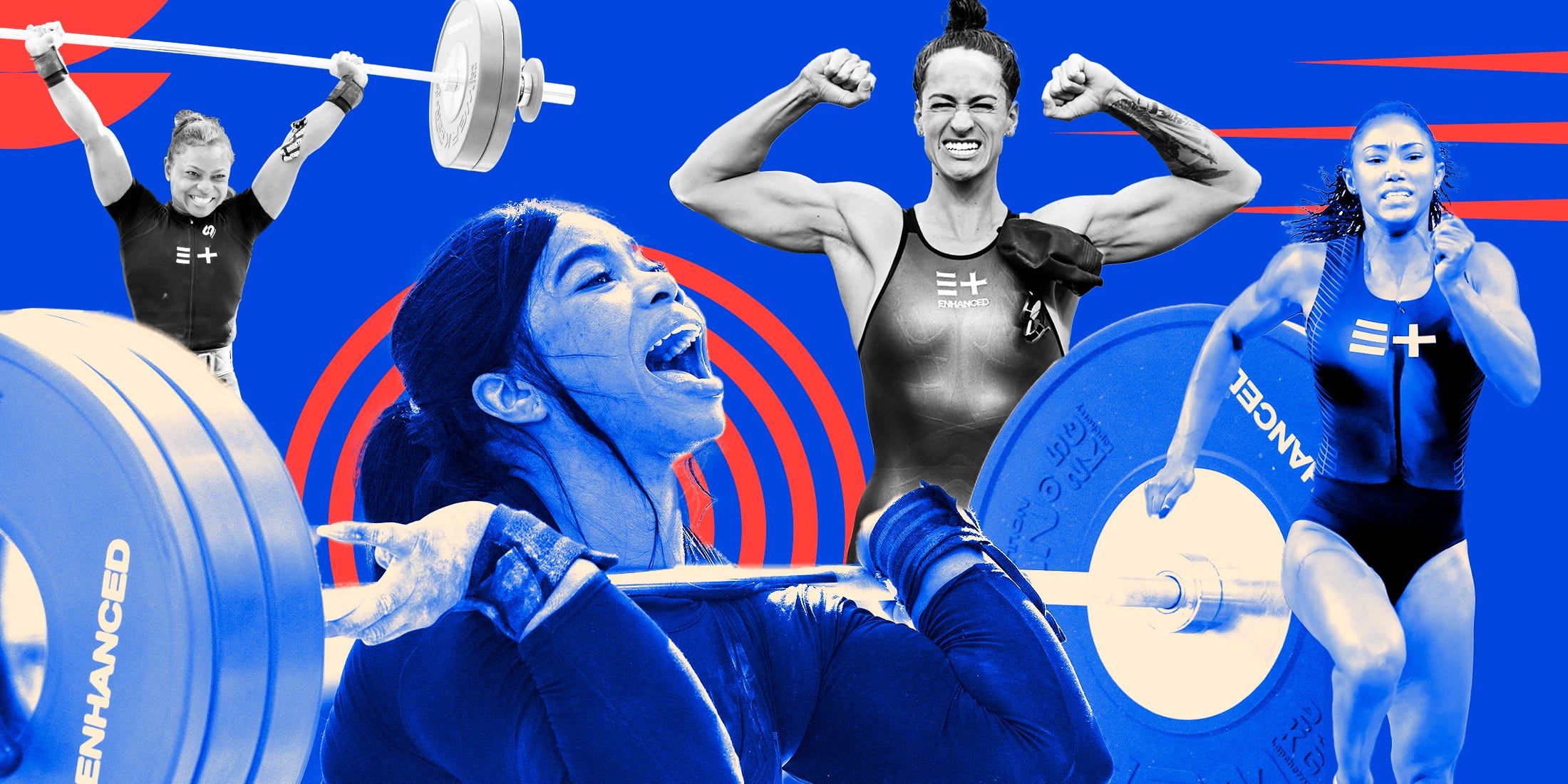
So, the Enhanced Games—think of it as the Olympics’ rebellious cousin who decided to throw out the rulebook, invite the very drugs everyone else bans, and call it a day. But here’s the kicker: after all the hype about athletes turning into superhumans, the actual performance? Kinda meh. Only one world record got busted—and that came with a speed-boosting swimsuit that’s not even allowed in official arenas. Now, as someone who’s been deep in the trenches coaching and working with top athletes for almost 15 years, I can’t help but wonder: is chasing “optimization” through doping really the future of sports? Or just a flashy marketing stunt pretending to stand for longevity and breaking boundaries, while brushing aside the harsh health realities lurking beneath? Let’s dive into what went down in these games, why the risks may be way too high, and how this spectacle might just rewrite the game—for better or worse. LEARN MORE
 5 min read
Aja Campbell is a NSCA-certified strength and conditioning specialist, certified nutrition coach, and youth sports coach. She’s been working in the fitness space for almost 15 years, teaching group fitness classes and working with UFC and Team USA Olympic athletes. Additionally, she coaches high school and college athletes, and oversees the sports medicine department, coaching, and diploma designation course at The Mary Louis Academy in Queens, New York. Here, she shares her reflections and predictions after the Enhanced Games.
For several months, the Enhanced Games has made serious waves in sports news—for good reason. It billed itself as a kind of superhuman Olympics, inviting athletes to dope in the name of optimization and longevity, in hopes of breaking world records, extending athletes’ careers, and pushing the limits of human possibility.
But despite the hype around the inaugural games, the results were underwhelming. Across events in swimming, track and field, and weightlifting, only one world record was broken: In the men’s 50-meter freestyle, Kristian Gkolomeev shaved 0.07 seconds off the previous record. But even that came with an asterisk. He was wearing a polyurethane suit, which increases speed and is banned in official competitions.
The idea behind the games comes at a good time—and is an excellent marketing strategy. “Optimization” is everywhere in fitness and wellness at the moment, and performance-enhancing drug (PED) and peptide use has grown exponentially among recreational and sub-pro athletes in an effort to achieve it (not as much in elite athletes, though, because they undergo rigorous drug testing). The Games are simply turning it into a spectacle by providing a stage for these “superhuman” athletes, and attempting to normalize the use of PEDs in the process.
The Enhanced Games’ pitch is this: Everybody’s doping, so you might as well be able to do it safely. But as a fitness expert and sports coach, I don’t think there’s any such thing.
What’s missing from Enhanced Games messaging is an honest reckoning with the long-term health risks that these athletes are taking on to receive a pretty small payday (up to $250,000 for first-place winners, and Gkolomeev won $1 million for breaking the world record by the games’ standards). The drugs these athletes are reportedly given, like testosterone, anabolic agents, human growth hormone, and erythropoiesis-stimulating agents, are all FDA-regulated, but that doesn’t make them harmless.
They’ve been associated with decreased cardiovascular performance, myocardial remodeling and thickening of the heart tissue, arrhythmia, thrombotic events, and even sudden cardiac death. These issues are cumulative and most often irreversible—there’s a reason they’re banned by both the World Anti-Doping Agency (WADA) and United States Anti-Doping Agency (USADA).
To address safety concerns, the games attempted to carry out their own clinical research—but there are several issues with the trial they put in place. They had 36 of the 42 competing athletes undergo a 25-week performance-enhancing substance exposure period, and claim they’ll monitor the athletes’ health and safety over the next 5.5 years. That is not long enough to assess true long-term health effects.
Additionally, the female participants in the study had to either be post-menopausal, sterile, or using two types of birth control (some PEDs like stimulants are harmful to a fetus and others can also cause fertility issues)—I’m not sure that’s representative of athletes in the real world or in the games. Women were not a priority in this trial, and a scientifically sound study would create a sample population that mirrors the real world. Considering the female exceptions, small sample size, and short timeframe, this trial doesn’t hold true scientific significance, and it’s unclear what the results of using these drugs will be in 5.5 years. It’s just a high-risk observational data collection, with no viable conclusion that doping is safe.
And, let’s be honest: It’s disingenuous to say that a benefit of the Enhanced Games is to extend an athlete’s career. Sure, they might get another few years of high-level competition when backed by these performance-enhancing drugs. But when the drugs they’re given might have severe long-term health consequences, is that really putting the athlete first? Is another few years in the pool or on the track worth a shorter, less healthy life afterward?
Sports have always been shaped by timing. Some athletes peak at the right moments, others miss their window. That’s par for the course. In my opinion, being an athlete is about taking advantage of the opportunities while you have them—not inventing a new system because you feel entitled to more chances after the fact.
Regardless of its flop, the Enhanced Games will still change the landscape for sports culture from the top down—especially regarding accessibility.
If PED use is normalized, the athletes who excel won’t be the ones with the most talent or discipline. It will be the ones who have the money for enhancements and doctor oversight. In that world, the financiers become the gatekeepers. They’ll be at the helm of determining which athletes make it, handpicking who they want to put their money behind. That leaves even more room for discriminatory practices based on gender, race, sexual orientation, and disability. History is clear on this point: When wealthy power brokers control, it does not work out well for marginalized groups.
And what kind of message does this send to young athletes? Kids are heavily influenced by professionals and look to them as evidence of what’s possible. Many athletes of certain generations come from humble beginnings, but because they worked hard and were dedicated, they earned their place as elites.
That message matters. As a coach with loads of experience working with young athletes, many want to earn their achievements, and actually look forward to working hard (contrary to popular belief). But the Enhanced Games undermines that value system. It views hard work and discipline as a trade-off in the name of “optimizing.” It sends the message that you can work all you want, but somebody who has the opportunity to better their performance without the effort may still have an edge on you. That attitude doesn’t inspire younger athletes entering the prime of their careers. It burns them out.
And, when kids walk away from sports, they lose more than athletics. Sports build habits and traits that carry into every aspect of life. Research shows that participating in sports as a kid builds better work ethic, teamwork development, higher self-esteem, fewer symptoms of anxiety and depression, and enhanced cognitive performance. Eighty percent of female Fortune 500 CEOs played sports growing up. If more young athletes see sports as a rigged system, more will step away—and lose all the benefits that come with it.
At the end of the day, we have to remember the Enhanced Games are a marketing ploy. The co-founders of the games actively invest in the performance-enhancing drug (PED) and supplement industry, and are trying to become a publicly traded company built around optimization. In my opinion, they’re capitalizing on the fact that society likes to see athletes push their physical and mental limits. They seemed to want to create a space that glorifies what they consider to be optimization and enhancement to make a profit, without addressing the effect it’ll have on sports culture as a whole.
While I understand the desire to “optimize,” if this acceptance around performance-enhancing drugs continues, we will see a major shift in sports culture at all levels—and it won’t be for the better.
Addison Aloian is the associate health & fitness editor at Women’s Health, where she writes and edits across the health, weight loss, and fitness verticals. She’s also a certified personal trainer through the National Academy of Sports Medicine (NASM). In her free time, you can find her lifting weights at the gym, running on the West Side Highway in New York City—she recently completed her first marathon, the 2025 New York City Marathon—and watching (and critiquing!) the latest movies that have garnered Oscars buzz. In addition to Women’s Health, she’s made an appearance on the Oprah Podcast and her work has also appeared in Allure, StyleCaster, L’Officiel USA, V Magazine, VMAN, and more.

STRELLALAB Dog Allergy & Itching Relief - Skin&Coat Support Chews w/Omega 3 | Anti Itch, Immune Supplements - Treats for Dogs Health w/Fish Oil for Irritated & Dry Skin - Proven by Science, 60 Ct
$12.99 (as of October 11, 2026 03:20 GMT +00:00 - More infoProduct prices and availability are accurate as of the date/time indicated and are subject to change. Any price and availability information displayed on [relevant Amazon Site(s), as applicable] at the time of purchase will apply to the purchase of this product.)
Dog Allergy Chews 200 Treats, Dog Allergy and Itching Skin Relief Bites Immune Support Dogs Probiotics for Yeast, Itchy Skin and Itchy Ears Anti Itch Licking Paws Treatment for Dogs Chicken Flavor
$25.99 (as of October 11, 2026 03:20 GMT +00:00 - More infoProduct prices and availability are accurate as of the date/time indicated and are subject to change. Any price and availability information displayed on [relevant Amazon Site(s), as applicable] at the time of purchase will apply to the purchase of this product.)
Automatic Litter Box, Self Cleaning Litter Box with Safety Sensors | Three layers of protection—infrared sensing, front-step response, and a half-gear limit—support safer automatic cleaning.
$169.99 (as of October 11, 2026 03:20 GMT +00:00 - More infoProduct prices and availability are accurate as of the date/time indicated and are subject to change. Any price and availability information displayed on [relevant Amazon Site(s), as applicable] at the time of purchase will apply to the purchase of this product.)
Amazon Echo Show 11 (newest model), Vibrant Full-HD 11" display with more viewing area and spatial audio, Designed for Alexa+, Graphite
$249.99 (as of October 11, 2026 03:11 GMT +00:00 - More infoProduct prices and availability are accurate as of the date/time indicated and are subject to change. Any price and availability information displayed on [relevant Amazon Site(s), as applicable] at the time of purchase will apply to the purchase of this product.)














Post Comment