
Why the Full Glam Race Day Look Is Splitting Opinions—and What It Means for Women’s Confidence in 2024
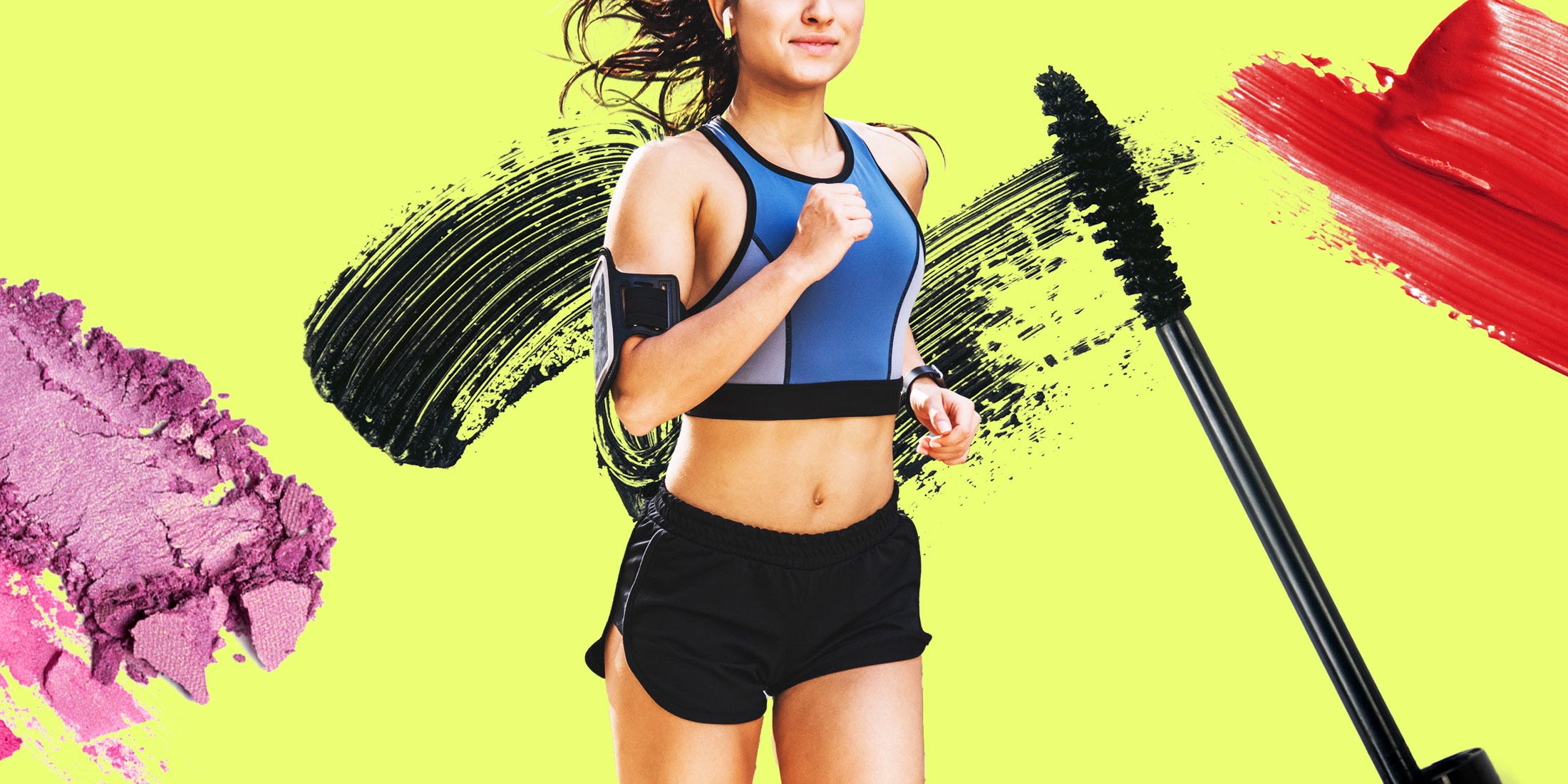
Sneakers—check. Bib—check. Glitter makeup… check? You might think a half or full marathon is no place for a glammed-up look, but guess what? Those race day start lines are turning into impromptu runways. Yep, the trend of doing full-on hair and makeup routines before pounding the pavement is catching fire, and it’s flipping the script on what running culture looks like today. But here’s the question: Is this glam race day vibe just a fun confidence booster, or is social media nudging us all into a high-stakes beauty contest before we even lace up? And honestly, how do some folks manage to keep their makeup intact after miles and sweat? Let’s dive into this sparkling phenomenon and see what’s behind the rush to dazzle before the finish line. LEARN MORE
 10 min read
Sneakers—check. Bib—check. Glitter makeup…check? A 13.1– or 26.2-mile run hardly feels like the place for doing full glam, but increasingly, races are starting to look like red carpets. It’s all part of a growing trend where people are doing elaborate hair and makeup routines before heading to the start line—and it’s changing the face of running as we know it.
After running for six years, Jenna Freitas, 32, based in Austin, Texas, only recently started getting dressed up for races. She says social media played a role. “Before RunTok, I don’t think race day glam was nearly as much of a conversation,” she says. Online, you can find countless videos of outfit inspo, makeup routines, and other beauty tips for your race alongside more traditional training content. Offline, you can find hair-braiding stations at pre-race expos and beauty giveaways after the finish line.
While Freitas definitely felt pressure to get started, she discovered that getting glammed up also gives her a confidence boost, so she’s stuck with it. “Taking the time to feel good in your outfit, hairstyle, or makeup might seem silly to some people, but it can make a real difference,” she says.
To be clear: Nobody should be required to look chic while running. (For some of us, it doesn’t even feel possible!) But more people are striving to hit that goal. So, is there something to the whole, “look good, feel good” idea? Or is it just another trend driven by social media pressures? And how the heck do people not sweat all their makeup clean off? Ahead, runners and experts weigh in on the trend.
Why Women Are Going for Glam
You know it when you see it: hair ribbons, a matching workout set, friendship bracelets, bold lipstick—basically, anything you might see your favorite beauty influencer promote, the glam runners have it too.
Stephanie Simpson, 41, of New York City, coordinates her outfit with her sneakers and gets her hair braided for every marathon—no exceptions. Why? It makes race day feel significant. “On a regular training run, I’m throwing on whatever’s in my drawer, going out there and slogging through the workout,” she says. “But race day is something special. Also, you paid for it, so why not make it special?” (She’s a fan of Crowned Athletics apparel and Princess Pixie Dust for race day sparkle.)
For some runners, intentionally putting together a race day outfit and hairstyle gives them a boost of mental and physical empowerment during their race. “What I’m wearing affects how I feel about myself, and how I feel about myself affects the way I perform,” says Simpson.
Plus, your race day glam can unite you with other runners. Simpson wears matching hair ribbons with her run club, which makes it easier to spot fellow members on the course. “Little things like that bring you together and remind you that even if you’re running on your own, you’re not alone,” she says.
Freitas, who ran the New York City Marathon with her twin sister Kelly in 2025, also loves the community aspect. “If you’ve spent months training with a running buddy, wearing matching outfits on race day makes the experience feel even more special,” she says. “It becomes part of the celebration of all the hard work you’ve put in together.”
How Makeup Brands Are Changing Running
And though it can be meaningful (and fun!) to get all done up before a major athletic event, glam running doesn’t exist in a vacuum. Good old-fashioned capitalism may be shaping the trend, too, says Lucy Atkinson, PhD, an associate professor of marketing and PR at the University of Texas at Austin. The running boom is undeniable, and since women make up about half of all race participants—and have major buying power—“advertisers are seeing where these changes are happening and are trying to capitalize on that momentum,” she says.
Millions of runners participate in races every year, and beauty brands are clearly starting to take notice—supporting major events, promoting products, and sponsoring athletes—and strengthening that link between beauty and running. Maybelline became the first-ever cosmetics sponsor of the New York City Marathon in 2024 and followed that up with hosting the Maybelline Women’s Half in Central Park this year. (They sponsor athletes to run the races in a bold color of their Super Stay lipstick.) Skincare brand Supergoop! was the premier beauty sponsor of the Every Woman’s Marathon last fall.
There are pros and cons to beauty brand presence in the running space. Races need sponsorships in order to happen, so the influx of cash is important, says Kelly Roberts, an RRCA-certified run coach, founder of the Badass Lady Gang Running community, and an online personality herself. “While it’s exhausting that our every waking moment gets commodified by advertising in America, until our country funds community events and races properly, seeing more women-centered brands advertising is inevitable since women form the majority at running events,” she says. Plus, it comes with a consolation prize. “I’m finding the silver lining and taking the free products,” Roberts adds. “Bring on the free LashBlast mascaras.”
On the athlete side, Olay endorses Sha’Carri Richardson (also known for her epic race day glam), and Neutrogena has sponsored Sydney McLaughlin-Levrone. The brand also collaborated with USA Track & Field, supporting Team USA at the Paris 2024 Olympic Games. Fazit glitter freckles are now a race day staple, and the brand often collabs with runners on social media. Basically, just as beauty brands have been advertised to women in pretty much every other area of their life, beauty is infiltrating the running boom too, says Atkinson.
The glam running trend also creates a big opportunity for content creators, who are amplifying it in new ways on social media, says Mariah Wellman, PhD, a wellness and social media researcher and assistant professor at Michigan State University. It’s a way for runners to commercialize their hobby (or profession, if they’re pros), and sell products like makeup, skincare, or clothing, she says. “It’s obvious audiences are embracing it, so I don’t think the trend will be leaving anytime soon.”
Not everyone is doing race day glam—but the pressure to look good is there.
Yvonne Armenta, 30, of San Diego keeps her running routine as simple as possible so she can focus on comfort over aesthetics. “I often joke that my running outfits never ‘eat,’” she says. “My personal preference is comfort on my runs, and usually that looks like pink shorts, a purple top, blue running vest, black shoes and a dark blue hat, with no makeup. It definitely doesn’t match, but I feel comfortable in every single piece.”
For Armenta, it’s mostly about reducing potential barriers to the sport—after all, getting motivated to work out can be a workout in itself. “Sometimes, getting out the door takes so long that putting more thought or preparation into the process lengthens the time between thinking about going for a run and actually starting it,” she says.
Armenta enjoys vlogging about her long runs, but social media pressure still creeps in sometimes. “With the increase of running content being shared, I started to feel like I needed to ‘perform’ for the cameras,” she says. “I love capturing my running journey because it reminds me of what I’m capable of doing, but I’d be lying if I said that at some point, I didn’t feel like I needed to be ‘done up’ or make my running vlogs more aesthetically pleasing—even though that’s the total opposite of what my long runs are.”
And even for those who do participate in race day glam, the hyperfocus on appearance can get to be too much. “For a while, I did feel pressure around race-day appearance,” Freitas says. She eventually gave in to the trend after seeing it everywhere on social media, but she says she continues to do it for the inner confidence benefits. Still, seeing the effort others put into their looks can be overwhelming, making the comparison trap feel unavoidable, she says. “As women, we already deal with so much pressure and unrealistic beauty standards in everyday life, and that pressure can creep into the running community, too,” she says.
How does glam affect your running?
Whether you prefer the full glam experience or rolling out of bed and heading to the start line, neither approach is better than the other. What matters is that you’re getting out there.
That said, there are actual benefits to doing something for race day—whatever that means to you. Getting dressed up may boost your confidence and mindset, help you appreciate your body, and serve as an important piece of a pre-race routine—which is consistently linked to stronger performance in sport psychology research, says sport psychologist Erin Ayala, PhD, the owner and founder of Skadi Sport Psychology and an avid endurance athlete. (She’s a fan of face glitter on race day, and for a recent cycling event, she painted her nails to match her bike frame).
In psychology, there’s a concept called “enclothed cognition,” or the idea that what you wear influences your psychological state. In the original 2012 study that coined the term, participants who wore a coat that they believed belonged to a doctor performed better on cognitive tasks than those who thought they were wearing a painter’s coat. In running terms, this means that if you put on your favorite workout set and believe it makes you faster and stronger, you might run better because of it. (Early research had some limitations, but a 2025 meta-analysis broadly supports the principle that what we wear can influence how we think, feel, and act.)
Really—according to research—what matters is that what you’re wearing and how you’ve decided to do your hair and makeup makes you feel confident and good in your body. A 2022 meta-analysis of over 3,700 athletes across 24 sports found a consistent positive correlation between sport confidence and performance, especially in individual sports like running. And research also links body appreciation—an admiration for your body’s unique features and capabilities—to greater sport confidence.
Just remember, it’s crucial that you’re in the driver’s seat. With the rise in glam running, two things are true at the same time: It’s not trivial to put effort into your appearance on race day and no woman should feel pressure to do so. “Running is a fun sport because there are so many different looks and aesthetics, but you get to decide what’s cool and how to spend your hard-earned dollars. Just wear what makes you feel good,” says Roberts.
There are obvious societal pressures on women to look good all the time—but the lesson here is autonomy, not control, Roberts says. “We can acknowledge the societal norms that harm us while also giving ourselves space to explore self-expression,” she says. “It’s problematic when we feel insecure or hide who we are—that’s the line.” Whatever you wear on race day should be your choice, whether it’s colorful glitter and hair bows or an old T-shirt you love, she says. “Nothing looks as good as wearing clothes that make you feel confident and comfortable.”
How to Level Up Your Running—No Glam Required
Create a pre-race routine.
This can include a beauty ritual, prepping your playlist, doing a specific warm-up, or laying out your gear in advance—which might even include an item with a personal meaning, like a bracelet from a loved one, Ayala says. Having a consistent routine can help you manage race day jitters and make the run feel less intimidating.
Your ritual doesn’t have to be elaborate or time-intensive, either. “I will never be the person who wakes up four hours before a race to do elaborate hair and makeup,” Freitas says. For her, a 30-minute block of time is plenty. (She swears by Tresemmé extra hold hairspray.) Even Armenta loves a high ponytail and some hairspray before she leaves for a run.
Do a mental rehearsal.
Visualization is a sport psychology tool everyone can benefit from. “I frequently guide athletes through imagery that begins long before the race starts,” says Lauren Lowe, PsyD, a clinical and sport psychologist and founder of Align Sports & Performance Psychology in San Francisco. “They visualize waking up, getting dressed, putting on their favorite gear, braiding their hair, pinning on their race bib, warming up, and walking confidently to the start line.” Rehearsing these familiar routines creates a sense of predictability, reduces anxiety, and reinforces confidence, Lowe says.
It can also help to visualize the tough moments of your race—like when your legs start hurting or you “hit the wall”—then mentally rehearse how you’ll respond. For example: “See yourself sitting with the pain and fatigue instead of fighting it, staying strong, and coming out the other side,” Ayala says.
Practice constructive self-talk.
“The language you use with yourself matters,” Ayala says. The next time you’re out on a run, instead of telling yourself, “I hope I can finish,” replace it with something like, “I trained for this.” The research backs this up: Motivational self-talk can assist physical performance in adult athletes, per a 2024 review in Internet Journal of Allied Health Sciences and Practice.
Set goals that are unrelated to your pace.
In the running world, it’s easy to fixate on finish time, but it’s important to set goals that have nothing to do with the numbers on your watch. Try to set non-time-related goals, Ayala says—like the number of people you’ll high-five on the course or how you want to feel when you cross the finish line, she says. If you still want to set performance-related goals, focus on your plan for the first few miles or how you’ll respond to challenging moments on the course, she says.
Try to avoid the comparison trap.
It can be hard not to compare yourself to other runners, whether it’s your pace or race day glam look. But remember that everything you see online—the perfect lighting, negative split, or the good hair day—is all part of a highlight reel, Lowe says. “You’re measuring your messy, real training against someone’s single best moment.”
To avoid the comparison trap, set healthy boundaries with social media and avoid or limit your scrolling, especially before a run or race day, Lowe says. It can also help to curate your feed and mute or unfollow any accounts that make you doubt yourself. Try to shift your focus away from others, and instead be proud of your training. “Confidence grows from evidence—remembering the miles you’ve logged, the challenges you’ve overcome, and the work you’ve already done,” she says.
Remember your “why.”
When your mind starts spiraling, it can help to remember why you laced up in the first place. “Before race day, remind yourself why this matters to you,” Ayala says. “Is it personal growth? Community? Pushing your limits?” Connecting your training and racing to a specific purpose can make the tougher miles a little easier, she says.
At the end of the day, running should be about how you feel—not how you look. Whether you’re in a matching set or the comfy T-shirt you’ve had forever, what matters is that you show up and run your race.
Tianna is the former associate health and wellness editor at Women’s Health. Her writing on wellness and relationships has been featured in Cosmopolitan, Elite Daily, Glamour, mindbodygreen, and more. She holds a M.A. in clinical psychology in education from Columbia University and is a certified yoga instructor. When she’s not writing, you can find her traveling, trying new workout classes, and speaking with audiences about mental health.

Amazon Kindle 16GB (newest model), Now thinner, lighter, and faster, 6" display, Ube
$149.99 (as of October 15, 2026 03:32 GMT +00:00 - More infoProduct prices and availability are accurate as of the date/time indicated and are subject to change. Any price and availability information displayed on [relevant Amazon Site(s), as applicable] at the time of purchase will apply to the purchase of this product.)
Red Raspberries, 6 oz
(as of October 15, 2026 03:09 GMT +00:00 - More infoProduct prices and availability are accurate as of the date/time indicated and are subject to change. Any price and availability information displayed on [relevant Amazon Site(s), as applicable] at the time of purchase will apply to the purchase of this product.)
DaVinci Gourmet Classic Blue Raspberry, 25.4 Fluid Ounces (Pack of 1)
$7.99 (as of October 15, 2026 03:09 GMT +00:00 - More infoProduct prices and availability are accurate as of the date/time indicated and are subject to change. Any price and availability information displayed on [relevant Amazon Site(s), as applicable] at the time of purchase will apply to the purchase of this product.)
ARM & HAMMER Slide Platinum Easy Clean-Up Clumping Cat Litter, 18 lbs | 24/7 Odor Control, Triple-Action Freshness, Non-Stick, Low Tracking, 99.9% Dust Free, Multi-Cat Formula, Scented
$17.99 (as of October 15, 2026 03:11 GMT +00:00 - More infoProduct prices and availability are accurate as of the date/time indicated and are subject to change. Any price and availability information displayed on [relevant Amazon Site(s), as applicable] at the time of purchase will apply to the purchase of this product.)








Post Comment