
Why Women Over 50 Should Stop Playing It Safe and Start Lifting Heavier—Dr. Vonda Wright’s Game-Changing 4×4 Formula Revealed!
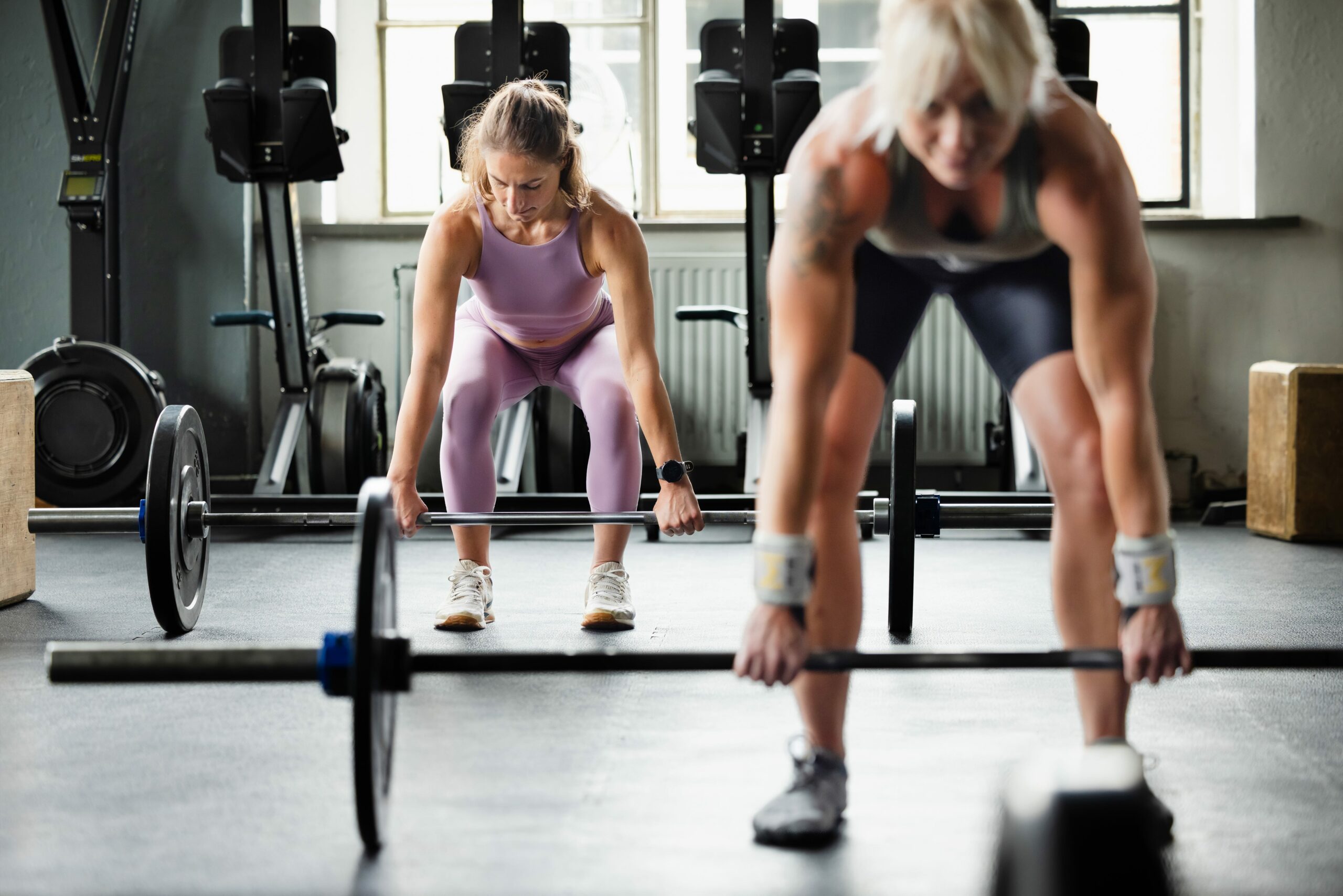
So, you wanna keep your strength as the years sneak up on you, huh? Well, let me share a nugget from Dr. Vonda Wright that’s as straightforward as a punch to the gut—in the best way possible. Aging doesn’t have to mean waving goodbye to your muscle power. Nope, with just a couple of days a week of progressively lifting heavier weights, you can actually fight back the clock and stay strong. Ever thought about why those heavier weights matter more than endless curls with feather-light dumbbells? Or wondered how your body adapts when estrogen takes a nosedive during menopause? Stick with me, and I’ll show you the science and strategy behind building muscle that lasts beyond the usual gym hype. Because trust me, it’s not just about looking good—it’s about moving powerfully, staying independent, and feeling unstoppable no matter your age. Ready to break some stereotypes and maybe even the weight limits? Let’s dive in. LEARN MORE
 3 min read
If you’re wondering how to maintain your strength as you age, Dr. Vonda Wright has a refreshingly simple formula.
When asked whether there was an ideal way to build and maintain muscle as we get older—including how often to train and how many reps to do—the double board-certified orthopedic surgeon and healthy-aging expert shared her recommendation.
“The minimum, if we’re really working at it, is a couple of days a week progressively lifting,” she said on The Diary of a CEO.
Progressive overload simply means gradually making an exercise more challenging over time—whether that’s by increasing the weight, performing more repetitions, or reducing your rest periods.
Dr. Vonda Wright’s strength training formula for women over 50
Dr. Wright then shared the rep range she believes is most effective once you’ve built a solid strength base.
“For men in midlife, it’s about 8 reps for 4 sets. For women—once we’ve trained to the place we can lift heavy—four reps for four sets,” she said.
The reason? As women go through menopause, falling estrogen levels reduce one of the body’s natural signals for maintaining muscle.
“What we’re trying to do by lifting heavier, especially for women, is replace the anabolic stimulus (the signal to repair and build tissue, including muscle) that estrogen was,” she explained.
Indeed, estrogen plays an important role in maintaining muscle mass. As levels decline during menopause, lifting heavier weights can help provide the mechanical stimulus needed to continue building and preserving muscle.
“Estrogen creates growth, so we must signal our body by the intensity of our work to build muscle through heavy lifting,” she said.
Importantly, Dr. Wright stresses it’s never too late to start.
“There is never an age or skill level when our body will not respond to the strategic stress you put on it,” she reassured listeners.

Why lifting heavier weights builds strength
Dr. Wright also explained why heavier weights and lower reps serve a different purpose to lighter weights and higher reps.
“Using smaller dumbbells but…more repetitions will function for hypertrophy—bigger total muscle—but not necessarily power and strength,” she said.
For healthy aging, however, power matters just as much as muscle size.
“I’m interested in [whether] I can move powerfully over time. Can I get up off the floor? Can I lift my suitcase above my head?” she explained.
“So [the formula for] lifting for power is lower reps, higher weights. I do…4 reps for 4 sets of big weights.”
5 reasons muscle matters for healthy aging
According to Dr. Wright, building muscle isn’t just about getting stronger in the gym. It benefits almost every system in the body.
1. It helps prevent insulin resistance
Muscle is one of the body’s main storage sites for glucose.
“Insulin helps muscles absorb glucose from the bloodstream and store it as glycogen. Healthy muscle tissue is therefore more responsive to insulin, making muscle building a key factor in preventing insulin resistance,” she says.
2. It helps you stay independent
Strong muscles help you stay upright, maintain your independence, and reduce your risk of falls, fractures, and broken bones as you age.
3. It releases the “longevity protein”
When muscles contract, they release Klotho, which Dr. Wright describes as “the longevity protein.”
Research suggests Klotho plays an important role in aging and the development of age-related diseases.
4. It supports brain health
Muscle contraction also releases galanin—a peptide involved in brain function.
According to Dr Wright, galanin may help support resilience and problem-solving.
5. It supports a healthy metabolism
Finally, muscle releases the hormone irisin, which helps convert white fat into more metabolically active brown fat that burns energy.


ewrazi Anti Barking Device for Dogs, 3 Modes Ultrasonic Bark Deterrent | Rechargeable Bark Control Box, Waterproof Indoor & Outdoor, 33Ft Range, Humane Automatic Bark Stopper for Dogs
$29.99 (as of October 24, 2026 03:23 GMT +00:00 - More infoProduct prices and availability are accurate as of the date/time indicated and are subject to change. Any price and availability information displayed on [relevant Amazon Site(s), as applicable] at the time of purchase will apply to the purchase of this product.)
blink plus plan with monthly auto-renewal
$11.99 (as of October 24, 2026 03:23 GMT +00:00 - More infoProduct prices and availability are accurate as of the date/time indicated and are subject to change. Any price and availability information displayed on [relevant Amazon Site(s), as applicable] at the time of purchase will apply to the purchase of this product.)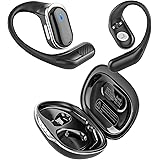
Open Ear Wireless Earbuds Bluetooth Headphones, 80H Playtime Stereo Ear Buds with ENC Noise Cancelling, Fast Charging, IPX7 Waterproof Sports Earphones with Earhook for Running/Workouts (Black)
$25.63 (as of October 24, 2026 03:34 GMT +00:00 - More infoProduct prices and availability are accurate as of the date/time indicated and are subject to change. Any price and availability information displayed on [relevant Amazon Site(s), as applicable] at the time of purchase will apply to the purchase of this product.)
The Farmer's Dog Snap Sticks, Human Grade Dog Treats, Beef & Apple 3oz | Human-Grade Dog Treats for Puppies and Adult Dogs, For All Ages, Sizes and Breeds
$11.99 (as of October 24, 2026 03:23 GMT +00:00 - More infoProduct prices and availability are accurate as of the date/time indicated and are subject to change. Any price and availability information displayed on [relevant Amazon Site(s), as applicable] at the time of purchase will apply to the purchase of this product.)












Post Comment