SpaceX Just Shattered Expectations with a Bold 5-for-1 Stock Split—Is This the Ultimate Play to Unlock Hidden Private Market Fortunes?
Ever wonder what happens when SpaceX decides to slice its stock pie into five smaller pieces without giving anyone an extra slice of the company? Well, buckle up—because SpaceX shareholders just approved a 5-for-1 stock split, zooming the share count up fivefold while slashing the price per share by around 80%. It’s like taking that massive, exclusive rocket and breaking it down into bite-sized parts that feel a whole lot more affordable, yet still packed with the same cosmic potential. Even though space travel and rocket science aren’t exactly your everyday investments, this move reveals a clever playbook for private companies: making shares more accessible in a tightly held market without changing the fundamental value of the company. Valued at a staggering $180B, SpaceX isn’t just shooting for the stars—they’re rethinking how their equity orbits among investors and employees alike. Curious how this echoes beyond Wall Street and into crypto chatter and employee equity dynamics? Let’s dive deeper. LEARN MORE
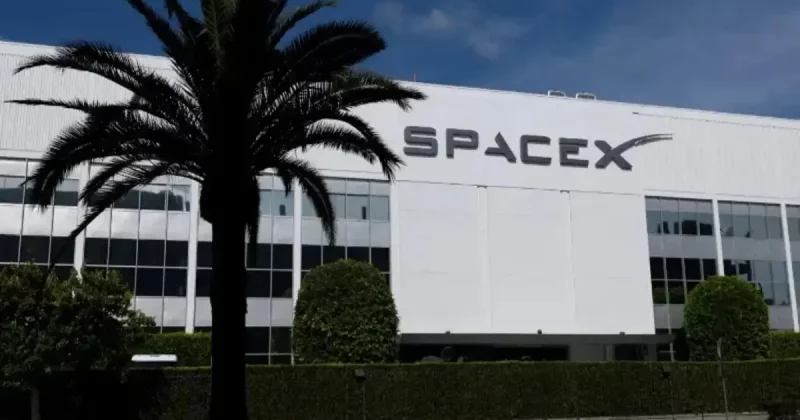
SpaceX shareholders have voted to approve a 5-for-1 stock split, a move that will multiply the company’s outstanding share count fivefold while cutting the per-share price by roughly 80%. The total valuation and individual ownership stakes remain unchanged, which is how stock splits work: more slices, same pie.
The vote, reported on May 15, comes as SpaceX sits comfortably among the most valuable private companies on Earth, with a valuation that reached approximately $180B in late 2023 and early 2024.
What a stock split actually does (and doesn’t do)
A 5-for-1 split means every existing shareholder receives four additional shares for each one they hold, with each share priced at one-fifth of its pre-split value.
For a publicly traded company, stock splits are often cosmetic, designed to make share prices look more approachable to retail investors. Amazon and Google parent Alphabet both ran splits in 2022 for precisely this reason.
But SpaceX is not publicly traded. In private markets, shares don’t trade on an exchange where buyers and sellers can match instantly. Instead, transactions happen through tender offers, secondary market platforms, and negotiated deals. By splitting shares 5-for-1, SpaceX effectively lowers the minimum ticket size for secondary transactions. A share that might have traded at, say, $100K pre-split would trade at roughly $20K post-split.
The employee equity angle
SpaceX has historically run tender offers, allowing employees to sell a portion of their holdings to pre-approved buyers. A lower share price makes these programs mechanically easier to administer and gives employees more flexibility in choosing how many shares to sell.
Why crypto markets are paying attention
SpaceX doesn’t issue tokens. It doesn’t operate a blockchain. It builds rockets and satellite internet infrastructure.
Musk’s influence on speculative digital assets, particularly Dogecoin, is well-documented. Any major corporate action involving Musk’s companies tends to generate reflexive interest in DOGE and other meme tokens. SpaceX news tends to correlate with broader risk-on behavior in tech and speculative assets, and crypto trades heavily on sentiment tied to such developments.
A company valued at roughly $180B is actively taking steps to improve share liquidity in private markets, which suggests confidence in sustained or growing demand for its equity.
Purina Tidy Cats Tidy Feet Clumping Low Tracking Cat Litter With Odor Control – Clean Linen Scent - 22 lb. Box
$16.98 (as of July 8, 2026 02:48 GMT +00:00 - More infoProduct prices and availability are accurate as of the date/time indicated and are subject to change. Any price and availability information displayed on [relevant Amazon Site(s), as applicable] at the time of purchase will apply to the purchase of this product.)
JLab JBuds Lux ANC, Over Ear Headphones, Active Noise Cancelling, Bluetooth, Limited Edition Navy
$45.00 (as of July 8, 2026 02:59 GMT +00:00 - More infoProduct prices and availability are accurate as of the date/time indicated and are subject to change. Any price and availability information displayed on [relevant Amazon Site(s), as applicable] at the time of purchase will apply to the purchase of this product.)
Amazon Brand - Happy Belly Dark Roast Coffee Pods, Compatible with Keurig 2.0 K-Cup Brewers, 100 Count
$33.70 (as of July 8, 2026 02:45 GMT +00:00 - More infoProduct prices and availability are accurate as of the date/time indicated and are subject to change. Any price and availability information displayed on [relevant Amazon Site(s), as applicable] at the time of purchase will apply to the purchase of this product.)
Wowflash Super Absorbency Disposable Leakproof Underpads with Quick Drying for Baby, Adults, Puppy, Dog Bed Pee Pads, Extra Large, XXL Incontinence Pads, 30” x 36”, 50 Count
$29.98 (as of July 8, 2026 02:49 GMT +00:00 - More infoProduct prices and availability are accurate as of the date/time indicated and are subject to change. Any price and availability information displayed on [relevant Amazon Site(s), as applicable] at the time of purchase will apply to the purchase of this product.)












Post Comment