
Is Fish Oil Really a Super Supplement, or Could It Be Sabotaging Your Health?

Ever wondered if that little bottle of fish oil you’re popping daily might actually be throwing a wrench in your brain’s healing process? Yeah, I felt the same pinch of disbelief when I first stumbled upon this new study. For years, fish oil was crowned the heart-healthy superhero on my shelf. But now, some surprising research suggests that its omega-3 superstar, EPA, could slow down the brain’s recovery after mild traumatic injuries like concussions. It’s a head-scratcher, right? Especially since most of us follow the usual advice to load up on those fishy fats for brain and heart health. So, should we rethink our supplement game or just double down on actual fish? Stick with me—I’m diving deep into what the latest findings mean, what the experts are saying, and why you might want to chat with your doc before reaching for that next capsule. Let’s untangle this fish oil saga together. LEARN MORE
 4 min read
A new study suggests this popular supplement might actually interfere with the brain’s healing process after mild traumatic brain injuries such as concussions.
Using mouse and cell models, researchers found that EPA (an omega-3 fatty acid found in fish oil) was linked to reduced brain repair mechanisms after injury.
Experts still generally recommend getting omega-3s from a healthy diet of eating fish instead of supplements.
Fish oil has been on a rollercoaster over the past few years. For years, it was considered the go-to supplement for heart health. And while the American Heart Association (AHA) does recommend eating two servings of fish a week, it doesn’t recommend over-the-counter supplements for most people. Research has also suggested that many companies make unsupported or exaggerated claims about fish oil supplements and heart health.
Now, there’s one more thing to consider: New research suggests that fish oil supplements may not be helpful for those who have been through mild traumatic brain injuries, like a concussion. In fact, they may even have unintended downsides in these situations.
There’s a lot to unpack with this study, and it’s important to flag that it’s not the end-all, be-all for using fish oil to support brain health. Here’s what the study found, plus what doctors want you to keep in mind.
Meet the experts: Onder Albayram, PhD, study co-author and associate professor in the Department of Pathology and Neuroscience at Medical University of South Carolina; Semir Beyaz, PhD, study co-author and a researcher at Cold Spring Harbor Laboratory; and Clifford Segil, DO, a neurologist at Providence Saint John’s Health Center in Santa Monica, California.
What did the study find?
The study, published in the journal Cell Reports, analyzed a combination of models to examine how fish oil might impact the brain over time. Worth noting: These were mouse models and models that used human brain microvascular endothelial cells (an important part of the blood-brain barrier), so these were not clinical trials. That means it’s important not to draw too many conclusions from the findings.
After analyzing the data, researchers found that an omega-3 fatty acid found in fish oil, eicosapentaenoic acid (EPA), was associated with reduced brain repair mechanisms after injury. This, the researchers wrote, suggests that it may interfere with the brain’s ability to heal itself after an injury.
The researchers also found that EPA may support the buildup of the protein tau in the brain, which is a hallmark of Alzheimer’s disease. “Together, these findings challenge the assumption of uniform omega-3 neuroprotection after brain injury,” they wrote in the study.
Why might fish oil be problematic if you have a history of mild traumatic brain injury?
There’s a lot to unpack here, and again, it’s worth noting that the study didn’t definitively prove fish oil supplements should be off the table if you have a history of mild traumatic brain injury. Still, there are likely a few things going on here.
The brain normally uses glucose as its primary energy source, says Onder Albayram, PhD, study co-author and associate professor in the Department of Pathology and Neuroscience at Medical University of South Carolina. “Brain cells have a relatively limited capacity to safely process fatty acids,” he explains. “Under normal conditions, the brain maintains a kind of protective preference for glucose to preserve stability.”
But this can shift after a brain injury. “Under normal conditions, the brain largely avoids using fatty acids as a primary fuel source and relies mainly on glucose,” Albayram says. “But after mild traumatic brain injury, especially during the recovery phase, the brain and its vascular cells may face increased metabolic demand.” In that case, fatty acids may be used.
But that may mess with the vascular repair programs that the brain needs for recovery after an injury. “In other words, EPA may not be problematic because it is present, but because the injured brain begins to use or process it under conditions of high-repair demand,” Albayram says.
Still, Albayram stresses this: “The same molecule may behave differently in a healthy brain than in a brain trying to heal after injury.”
Of course, there’s still a lot to explore here. “We are still trying to figure out exactly why this happens,” says Semir Beyaz, PhD, study co-author and a researcher at Cold Spring Harbor Laboratory. “But it seems like EPA alters the metabolic program that supports the healing process in cells and interferes with recovery after mild traumatic brain injury.”
What should you do with this information?
There’s still more work that needs to be done. “The benefits of taking fish oil [are] likely higher than any proposed harm,” says Clifford Segil, DO, a neurologist at Providence Saint John’s Health Center in Santa Monica, California. But he suggests getting your omega-3s from actual fish rather than just taking a fish oil supplement, which also aligns with the AHA recommendations. “Eating a healthy diet with fish in it and exercise are healthy for the brain,” Segil says.
Beyaz notes that this study did not find that fish oil is harmful or helpful for the brain. “Instead, it reveals the complexity of how nutrients influence our health or risk of diseases,” he says.
Ultimately, if you’re interested in taking a fish oil supplement, it’s important to talk to a healthcare provider first. They can review your health history and concerns and make personalized recommendations for you.
Korin Miller is a freelance writer specializing in general wellness, sexual health and relationships, and lifestyle trends, with work appearing in Men’s Health, Women’s Health, Self, Glamour, and more. She has a master’s degree from American University, lives by the beach, and hopes to own a teacup pig and taco truck one day.
Carina Hsieh, MPH, is the deputy features editor of Women’s Health. She has more than a decade’s worth of experience working in media and has covered everything from beauty, fashion, travel, lifestyle, pets, to health.
She began her career as an intern in the fashion closet at Cosmopolitan where she worked her way up to Senior Sex & Relationships Editor. While covering women’s health there, she discovered her passion for health service journalism and took a break to get her Masters in Public Health. Post-grad school, she worked as a freelance writer and as The Daily Beast’s first Beauty, Health, and Wellness Reporter.
Carina is an alum of the Fashion Institute of Technology and the Yale School of Public Health. She and her French Bulldog, Bao Bao, split their time between Brooklyn and Connecticut. She enjoys reformer Pilates, (slow) running, and smelling the fancy toiletries in boutique fitness class locker rooms.

INABA Churu Cat Treats, Lickable, Squeezable Creamy Purée Cat Treat with Green Tea Extract & Taurine, 0.5 Ounces Each Tube, 50 Tubes, Tuna & Chicken Variety
$32.96 (as of October 24, 2026 03:13 GMT +00:00 - More infoProduct prices and availability are accurate as of the date/time indicated and are subject to change. Any price and availability information displayed on [relevant Amazon Site(s), as applicable] at the time of purchase will apply to the purchase of this product.)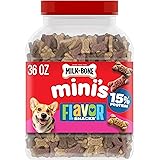
Milk-Bone Flavor Snacks Mini’s Dog Treats, 36 Oz. | 5 calories per treat, 15% protein, 3 flavors per canister (beef, chicken & bacon, naturally & artificially flavored)
$11.48 (as of October 24, 2026 03:13 GMT +00:00 - More infoProduct prices and availability are accurate as of the date/time indicated and are subject to change. Any price and availability information displayed on [relevant Amazon Site(s), as applicable] at the time of purchase will apply to the purchase of this product.)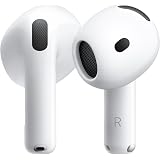
Apple AirPods 5 Wireless Earbuds with Active Noise Cancellation | Bluetooth Headphones, Personalized Spatial Audio, Live Translation, USB-C Charging Case, H2 Chip
$129.00 (as of October 24, 2026 03:23 GMT +00:00 - More infoProduct prices and availability are accurate as of the date/time indicated and are subject to change. Any price and availability information displayed on [relevant Amazon Site(s), as applicable] at the time of purchase will apply to the purchase of this product.)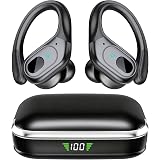
Wireless Earbuds, Sports Bluetooth Headphones, Running Headphones | 75Hrs Playtime Ear Buds with LED Power Display, Noise Canceling Headset, IPX7 Waterproof Earphones for Gym/Running/Workout
$20.98 (as of October 24, 2026 03:34 GMT +00:00 - More infoProduct prices and availability are accurate as of the date/time indicated and are subject to change. Any price and availability information displayed on [relevant Amazon Site(s), as applicable] at the time of purchase will apply to the purchase of this product.)












Post Comment