
This Breakthrough in GLP-1 Research Could Change the Way We Fight Alzheimer’s Forever—Here’s What You Need to Know!
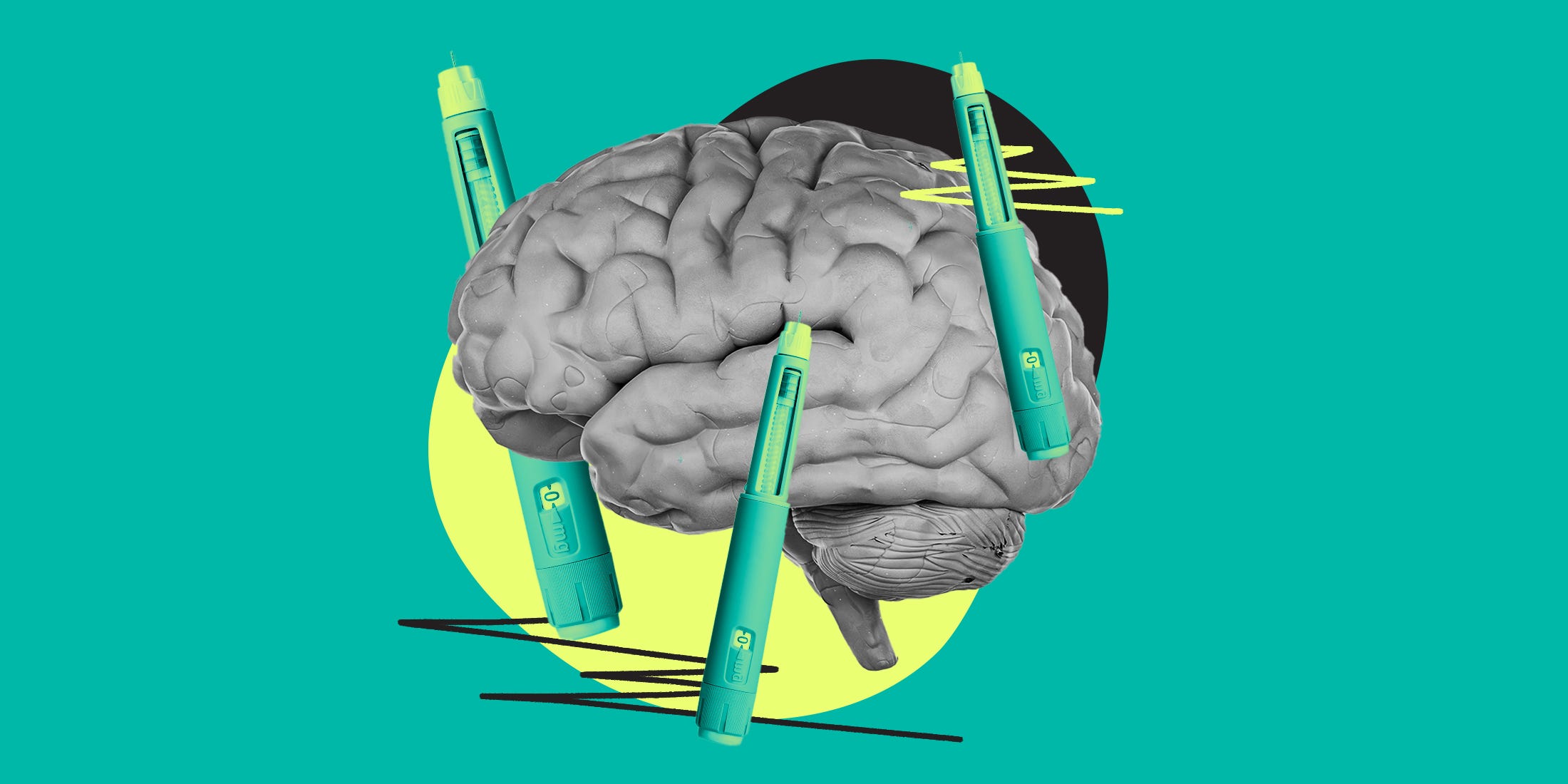
Ever catch yourself wondering if the little miracle drugs that help with blood sugar and weight loss might just have a secret superhero side gig? Yeah, me too. So, here we are—GLP-1 medications like Ozempic and Wegovy have been stealing the spotlight for tackling everything from cancer risks to heartbreakingly intense migraines. Now, get this: fresh-off-the-lab-bench research is digging into how these drugs might also throw a wrench in Alzheimer’s disease’s plans. It’s wild, right? Could something designed to balance your glucose also mop up those pesky amyloid beta plaques and tau proteins that mess with memory? Scientists aren’t completely sure yet, but the clues stacking up might just flip the script on how we think about brain health and aging. Wanna dive deeper into the nitty-gritty of this research and why some experts are cautiously optimistic? Trust me, it’s worth the read. LEARN MORE
 4 min read
A new systematic review of preclinical studies found that GLP-1 drugs may reduce key Alzheimer’s markers like amyloid beta and tau protein.
Researchers have a few theories for why this might be, ranging from GLP-1s reducing inflammation in the brain and body to helping the brain use glucose more efficiently.
This isn’t the first unintended benefit of GLP-1 drugs that research has found. Previous early studies suggest GLP-1s may be linked to a lower risk of certain cancers, cardiovascular disease, addiction, and even migraine severity.
It feels like every day there’s a new potential perk of using a GLP-1 medication. This drug class, which includes medications like Ozempic and Wegovy, has been linked in some studies to a lowered risk of certain cancers, dying from cardiovascular disease, addiction, and even migraine severity. Now, new research suggests that these medications may also impact your risk of developing Alzheimer’s disease.
The findings don’t necessarily suggest taking a GLP-1 will keep you from developing Alzheimer’s disease one day, but researchers did uncover some interesting elements that suggest these drugs may help, in certain groups, at least.
And while the link between a drug designed to help with blood sugar management and weight loss, and lowered odds of developing Alzheimer’s disease seems a little random, doctors say there may be something to this. Here’s why.
Meet the experts: Simon C. Cork, PhD, study co-author, physiologist, and senior lecturer in the School of Medicine at Anglia Ruskin University; Clifford Segil, DO, a neurologist at Providence Saint John’s Health Center in Santa Monica, California; and Paul Newhouse, MD, director of the Vanderbilt Center for Cognitive Medicine.
What did the study find?
For the study, which was published in the journal Molecular and Cellular Neuroscience, researchers reviewed findings from 30 preclinical studies—mostly on animals and cells—that looked at the impact on signs of Alzheimer’s disease of four GLP-1 receptor agonists: liraglutide (Victoza, Saxenda), semaglutide (Ozempic, Wegovy), exenatide (Byetta), and dulaglutide (Trulicity).
Researchers reported that 22 of the studies found a reduction in amyloid‑beta, a protein that forms sticky plaques in the brain that is linked to Alzheimer’s disease. There were also reductions in tau, a protein that creates harmful tangles in neurons that is also considered a marker of Alzheimer’s disease, in 19 of the studies. The researchers found that liraglutide, which was studied the most, consistently reduced levels of amyloid‑beta and tau.
Dulaglutide and semaglutide also had positive effects on these Alzheimer’s markers, although fewer studies that included them were available. Studies on exenatide had mixed results.
The analysis also included two clinical trials in humans. One was a 26‑week trial of liraglutide that found no drop in amyloid levels, but it did find the medication preserved brain glucose metabolism, which is considered a sign of good brain function.
Another trial, this one of exenatide, showed no significant changes in amyloid or tau in participants’ cerebrospinal fluid (the clear liquid around the brain) but it did find a reduction in amyloid‑beta in extracellular vesicles—packages cells release to communicate with each other—which could be an early biomarker of Alzheimer’s disease, per the researchers.
Ultimately, the researchers wrote that “clinical evidence remains limited and mixed, underscoring the need for biomarker-focused human trials.”
Why might a GLP-1 lower the risk of Alzheimer’s?
This isn’t the first study to link GLP-1s to a lower risk of cognitive decline. A 2024 study published in Lancet eClinical Medicine analyzed data from more than 100,000 patients in the U.S. with type 2 diabetes and found that those who took semaglutide had lower rates of cognitive decline than those who took other medications to treat type 2 diabetes.
What’s behind this link? “We don’t actually know,” says Simon C. Cork, PhD, study co-author, physiologist, and senior lecturer in the School of Medicine at Anglia Ruskin University. But he points out that there are a few theories floating around.
One is that GLP-1s might help to reduce inflammation in the brain and body, says Paul Newhouse, MD, director of the Vanderbilt Center for Cognitive Medicine. (Inflammation is believed to be a driver of Alzheimer’s disease.) This is “likely a key factor,” Cork says.
The medications may also help the brain use glucose more efficiently, Newhouse says. GLP-1s seem to support heart health, and cardiovascular disease is a driver of Alzheimer’s disease, Cork points out.
Who can benefit from this?
Scientists aren’t entirely sure yet. Right now, people who are prescribed GLP-1s have some kind of risk factor for Alzheimer’s, whether it’s being overweight, obesity, or type 2 diabetes. Cork says this association should be studied to determine whether these medications affect otherwise healthy individuals in the same way.
Will people eventually be prescribed GLP-1s to reduce their Alzheimer’s risk?
It’s not clear—and clinical trials haven’t shown that taking a GLP-1 medication will reduce your Alzheimer’s risk, says Clifford Segil, DO, a neurologist at Providence Saint John’s Health Center in Santa Monica, California.
Still, Newhouse says it’s possible people may be prescribed GLP-1s to lower the risk of Alzheimer’s disease in the future. “There is evidence that long-term use of these medications may be associated with reduced risk of dementia or in reducing the progression of dementia,” he says. But, for now, we’re not there yet. “There’s more research to be done,” Cork says.
Korin Miller is a freelance writer specializing in general wellness, sexual health and relationships, and lifestyle trends, with work appearing in Men’s Health, Women’s Health, Self, Glamour, and more. She has a master’s degree from American University, lives by the beach, and hopes to own a teacup pig and taco truck one day.
Carina Hsieh, MPH, is the deputy features editor of Women’s Health. She has more than a decade’s worth of experience working in media and has covered everything from beauty, fashion, travel, lifestyle, pets, to health.
She began her career as an intern in the fashion closet at Cosmopolitan where she worked her way up to Senior Sex & Relationships Editor. While covering women’s health there, she discovered her passion for health service journalism and took a break to get her Masters in Public Health. Post-grad school, she worked as a freelance writer and as The Daily Beast’s first Beauty, Health, and Wellness Reporter.
Carina is an alum of the Fashion Institute of Technology and the Yale School of Public Health. She and her French Bulldog, Bao Bao, split their time between Brooklyn and Connecticut. She enjoys reformer Pilates, (slow) running, and smelling the fancy toiletries in boutique fitness class locker rooms.
Apple EarPods Headphones with USB-C Plug, Wired Ear Buds with Built-in Remote to Control Music, Phone Calls, and Volume
$19.00 (as of October 9, 2026 03:20 GMT +00:00 - More infoProduct prices and availability are accurate as of the date/time indicated and are subject to change. Any price and availability information displayed on [relevant Amazon Site(s), as applicable] at the time of purchase will apply to the purchase of this product.)
C4 Performance Energy Drink with Zero Sugar, Strawberry Blast, 12pk | 200mg caffeine and performance ingredients deliver explosive energy, endurance and focus.
$23.49 (as of October 9, 2026 03:08 GMT +00:00 - More infoProduct prices and availability are accurate as of the date/time indicated and are subject to change. Any price and availability information displayed on [relevant Amazon Site(s), as applicable] at the time of purchase will apply to the purchase of this product.)
SHOKZ OpenRun Air 2 Bone Conduction Open-Ear Bluetooth Headphones,Black | Bundle with Hair Band;26.4g lightweight; Secure fit; PremiumPitch 3.0 sound; IP67; 10H battery; Running/cycling/hiking
$129.95 (as of October 9, 2026 03:29 GMT +00:00 - More infoProduct prices and availability are accurate as of the date/time indicated and are subject to change. Any price and availability information displayed on [relevant Amazon Site(s), as applicable] at the time of purchase will apply to the purchase of this product.)
Apple iPad 11-inch: A16 chip, 11-inch Model, Liquid Retina Display, 128GB, Wi-Fi 6, 12MP Front/12MP Back Camera, Touch ID, All-Day Battery Life — Blue
$399.99 (as of October 9, 2026 03:20 GMT +00:00 - More infoProduct prices and availability are accurate as of the date/time indicated and are subject to change. Any price and availability information displayed on [relevant Amazon Site(s), as applicable] at the time of purchase will apply to the purchase of this product.)













Post Comment