
Why World Cup Hydration Breaks Might Be the Most Undervalued Goldmine for Broadcasters—And What It Means for Your Next Investment
You ever get that uneasy feeling when you watch the World Cup and suspect something’s a bit off? Well, you’re not alone. Over the past few tournaments, we’ve seen FIFA tweak the game in ways that make you wonder if the pure love of soccer is getting tangled up with something a bit more… lucrative. Take the recent hydration breaks in this year’s expanded 48-team showdown across the US, Mexico, and Canada — on the surface, it’s about player welfare, but let’s be honest, it’s also about cashing in big time during these pauses. And it’s not just about extra minutes or hydration; it’s about commercials selling for hundreds of thousands of dollars, turning a breath of fresh air into a multi-million dollar advertising spectacle. So, are we witnessing the beautiful game’s evolution or just clever monetization disguised as care? Buckle up, because this new normal might be creeping into leagues you love much faster than you think. LEARN MORE
There has been some amount of tampering with the FIFA World Cup in recent editions.
In Qatar four years ago, added time at the end of each half regularly exceeded 10 minutes as FIFA sought to better account for stoppages in the game.
This summer’s tournament in the US, Mexico and Canada has expanded from 32 to 48 teams to allow greater representation across the various confederations.
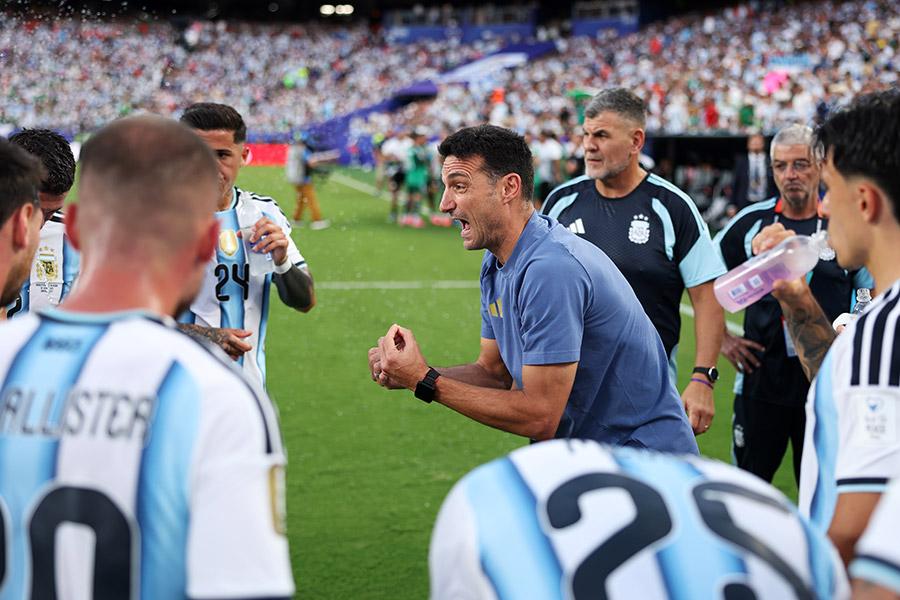
Matches have effectively become divided into four quarters too with the introduction of hydration breaks, ostensibly to help players better combat stifling temperatures.
Hydration breaks were implemented at last summer’s Club World Cup, also held in the US, but have been criticised for disrupting the flow of the game.
During matches, the breaks have largely passed without incident with players taking on fluids while receiving tactical instructions from coaches.
However, England fans booed throughout the breaks during their team’s opening match versus Croatia at the air-conditioned AT&T Stadium in Texas on Wednesday.
FIFA insists the breaks have been enacted for player welfare, but broadcasters have used them to generate revenue, also stoking concern of unnecessary commercialisation from pundits and supporters.
Host broadcaster Fox Sports is using the roughly three-minute breaks midway through each half to sell advertising, which is perhaps unsurprising considering the number of ad breaks in popular US sports.
The BBC reports that 30-second adverts are selling for between $200,000 and $300,000 in the group stage, rising to $750,000 for matches featuring the US and during the knockout rounds.
FOX also introduces the breaks as being sponsored by a brand, and FIFA sponsor Coca-Cola is providing branded drinks for players during the intermissions.
It is estimated that the hydration breaks are worth $250m to FOX alone and other broadcasters are also using the breaks to sell adverts.
FOX is believed to have purchased the rights to broadcast the World Cup for $485m, so the company has gone some way to recouping its outlay with hydration-break advertising.

The fear among fans is that these breaks will become part of the game beyond FIFA events and a feature of broadcasts of matches from the Premier League, Champions League and beyond.
Considering how awash with money football has become this century and clubs’ increasing need to ramp up revenue to remain competitive in the transfer market while complying with financial regulations, those fears may not be unfounded.
Photo: Spain players take a drink during a hydration break in the FIFA World Cup 2026 Group H match between Spain and Cabo Verde at Atlanta Stadium on June 15, 2026 in Atlanta, Georgia. (Pic: Buda Mendes/Getty Images)
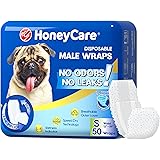
HONEY CARE All-Absorb A26 Male Dog Wrap, 50 Count, Small
$17.99 (as of October 12, 2026 03:11 GMT +00:00 - More infoProduct prices and availability are accurate as of the date/time indicated and are subject to change. Any price and availability information displayed on [relevant Amazon Site(s), as applicable] at the time of purchase will apply to the purchase of this product.)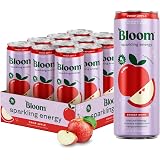
Bloom Nutrition Zero Sugar Energy Drink, Apple Crisp, 12oz 12pk | 180mg natural caffeine with prebiotics, green tea extract & lychee for energy, focus and feel-good refreshment.
$24.99 (as of October 12, 2026 03:09 GMT +00:00 - More infoProduct prices and availability are accurate as of the date/time indicated and are subject to change. Any price and availability information displayed on [relevant Amazon Site(s), as applicable] at the time of purchase will apply to the purchase of this product.)
ALOHA Organic Plant Based Protein Bar | Peanut Butter Chocolate Chip, 12 Ct | 14g Plant-Based Protein, 10g Fiber, 5g Sugar | GLP-1 & Keto Friendly, No Sucralose or Stevia | Non-GMO, Vegan & Dairy Free
$25.00 (as of October 12, 2026 03:09 GMT +00:00 - More infoProduct prices and availability are accurate as of the date/time indicated and are subject to change. Any price and availability information displayed on [relevant Amazon Site(s), as applicable] at the time of purchase will apply to the purchase of this product.)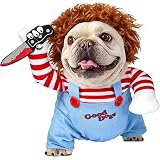
PAYHTOW Dog Halloween Costumes, Funny Dog Killer Doll Costume with Wig and Knife, Adjustable Pet Halloween Cosplay Costume for Small Medium Large X-Large Dogs (Small)
$11.99 (as of October 12, 2026 03:21 GMT +00:00 - More infoProduct prices and availability are accurate as of the date/time indicated and are subject to change. Any price and availability information displayed on [relevant Amazon Site(s), as applicable] at the time of purchase will apply to the purchase of this product.)






Post Comment