
Strait of Hormuz Tightens: Iran’s Bold Move Sends Shockwaves Through Global Shipping and Markets—What Every Investor Must Know Now
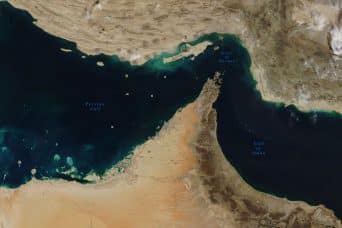
Let me throw this out there—when the Strait of Hormuz, one of the world’s most critical maritime choke points, wobbles under geopolitical pressure, you better sit up and pay attention. Can we really expect ship traffic to bounce back to normal by the end of July? Current market odds are slipping, and it’s like watching a high-stakes poker game where Iran just went all-in, asserting control over the strait and upping the ante for the U.S. and its Project Freedom ambitions. With ship transit confidence dropping from 60% to 46% in a single day, it’s clear the waters are choppier than ever—and whether you’re a trader, strategist, or entrepreneur, that tide matters. What does this mean for global supply chains, energy markets, and military postures? There’s no room for complacency in these unpredictable times… LEARN MORE
## Market Snapshot
The market for “Strait of Hormuz traffic returns to normal by July 31” is currently priced at 42.5% YES, down from 46% a day ago. The “Will Trump restart Project Freedom by May 31” market shows a 37.5% YES probability, slightly down from 38%. Meanwhile, the “Will 20 ships transit the Strait of Hormuz on any day by May 31” is at 46% YES, a notable decrease from 60% the previous day.
## Key Takeaways
– Iran’s assertion of control over the Strait of Hormuz appears to decrease the likelihood of normal traffic resumption by July 31. – The environment suggests a moderate increase in the probability of a US military response under Project Freedom. – Market behavior indicates reduced confidence in ship transits through the Strait of Hormuz by the end of May.
## Article Body
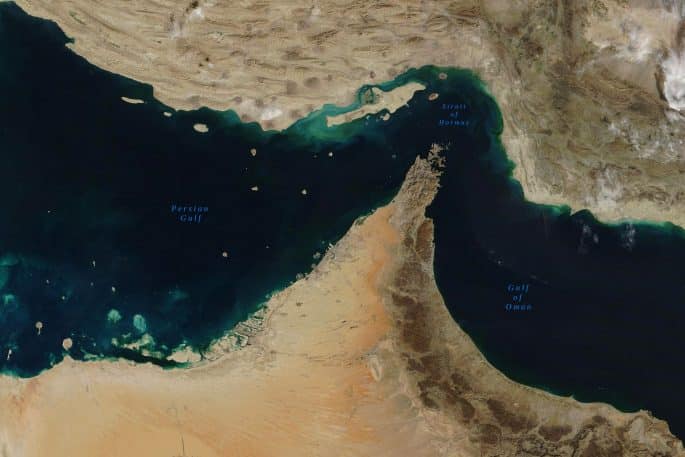
Iran has declared its sovereignty over the Strait of Hormuz, stating it will prevent the passage of military equipment intended for its adversaries. This development occurs amid heightened tensions in the Persian Gulf, with the United States having imposed a naval blockade and rejected Iran’s recent peace proposal. The Strait of Hormuz, a crucial oil transit route, is now a focal point of geopolitical tension as Iran’s move represents a significant escalation. The situation involves key players such as the U.S. Navy, Iranian Revolutionary Guard, and regional stakeholders like Oman and Saudi Arabia, all of whom have vested interests in maintaining or disrupting the flow of maritime traffic.
## Market Interpretation
Iran’s recent declaration is interpreted by markets as pricing supportive of a NO outcome for the Strait of Hormuz traffic normalization by the end of July. The impact is considered high, as this move directly affects both military and commercial shipping operations. The assertion could also be seen as somewhat supportive of a YES outcome for the potential restart of Project Freedom, reflecting increased likelihood of U.S. military action. The market for ship transit by May 31 has reacted with a notable decrease in YES confidence, consistent with expectations of restricted movements.
## What to Watch
Observers should monitor any announcements from the U.S. and Iranian governments regarding further escalations or diplomatic engagements. Key indicators include changes in naval deployments, statements from President Trump, and any shifts in Iranian military posture. Additionally, watch for market reactions to reports from IMF PortWatch and other maritime intelligence sources, which may provide insights into traffic patterns and potential resolutions or escalations in the region.
Get prediction market intelligence as a structured API feed. Early access waitlist.

Apple Watch Series 12 GPS 42mm Smartwatch | Light Gold Aluminum Case, Sand Sport Band - S/M. Health + Fitness + Sleep Tracking, Heart Rate, Safety
$389.99 (as of October 25, 2026 03:34 GMT +00:00 - More infoProduct prices and availability are accurate as of the date/time indicated and are subject to change. Any price and availability information displayed on [relevant Amazon Site(s), as applicable] at the time of purchase will apply to the purchase of this product.)
Meow Mix Original Choice Dry Cat Food, 6.3 Pound Bag
$9.87 (as of October 25, 2026 03:13 GMT +00:00 - More infoProduct prices and availability are accurate as of the date/time indicated and are subject to change. Any price and availability information displayed on [relevant Amazon Site(s), as applicable] at the time of purchase will apply to the purchase of this product.)
Nespresso Vertuo, Barista Flavored Pack, Medium Roast, 30-Count Coffee Pods | Medium-Roast Coffee Capsules, Caramel, roasted hazelnut and sweet vanilla flavors
$42.00 (as of October 25, 2026 03:13 GMT +00:00 - More infoProduct prices and availability are accurate as of the date/time indicated and are subject to change. Any price and availability information displayed on [relevant Amazon Site(s), as applicable] at the time of purchase will apply to the purchase of this product.)
BARK&SPARK No Poo Chews for Dogs - Coprophagia & Stool Eating Deterrent | Probiotics, Digestive Enzymes & Breath Aid Support - Stop Dog Poop Eating - 120 chews
$19.96 (as of October 25, 2026 03:23 GMT +00:00 - More infoProduct prices and availability are accurate as of the date/time indicated and are subject to change. Any price and availability information displayed on [relevant Amazon Site(s), as applicable] at the time of purchase will apply to the purchase of this product.)














Post Comment