
This One Weird Trick Dietitians Swear By To Crush Stress Eating—And It’s Too Simple To Ignore!
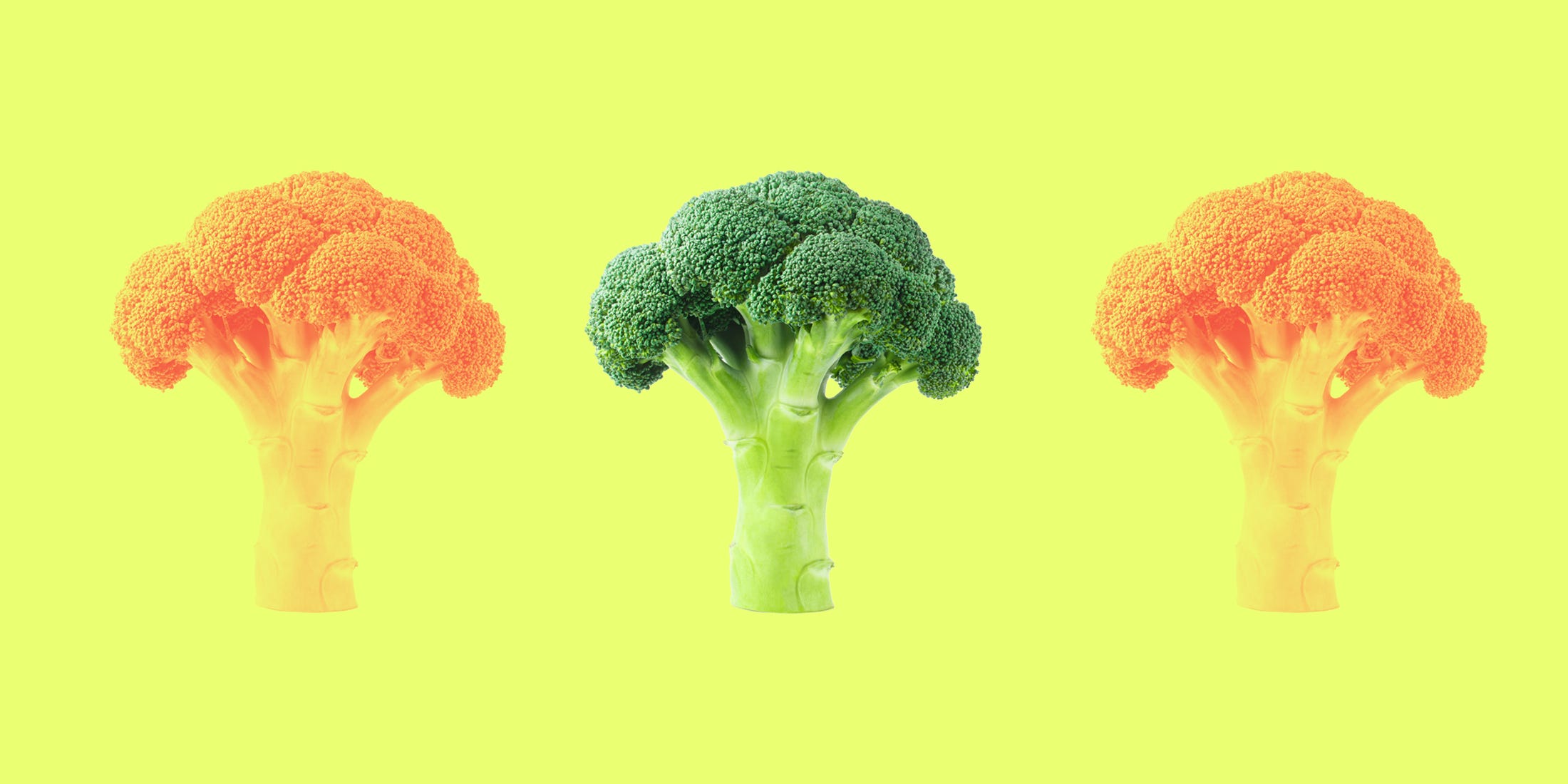
Ever find yourself staring blankly at the snack aisle, stressed to the max, wondering if there’s any hope to make a healthy choice without grabbing that triple chocolate chip cookie? Yeah, me too. Eating right is tough on a chill day, let alone when your brain’s fried and the deadline’s breathing down your neck. But guess what? New research just dropped a game-changing hack called “precommitment” — basically, setting yourself up to WIN before the stress even kicks in. It’s like tricking your future self into making smarter food decisions, even when your willpower’s running on empty. Intrigued? Let’s unpack how this simple strategy can keep you on track when life’s chaos tries to hijack your diet. LEARN MORE
 4 min read
It’s tough to eat healthy under any circumstances, let alone when you’re stressed. But now, new research suggests a hack to help you eat healthy, even when you’re completely frazzled.
It’s called “precommitment,” and it’s a strategy that could help you make healthier food choices when you feel stressed. Dietitians say leaning into this strategy can help fight back the urge to just grab whatever is convenient and tasty when you’re in a bind.
Here’s what precommitment means in terms of what you eat, plus why it can be helpful for keeping you on the right healthy-eating track.
Meet the experts: Jessica Cording, RD, CDN, author of The Little Book of Game-Changers; and Keri Gans, RDN, author of The Small Change Diet
What did the study find?
The small study, published in the journal Psychoneuroendocrinology, recruited 29 college students and had them complete two experimental sessions about 16 days apart.
First, participants completed an online questionnaire rating 285 food items based on how healthy, tempting, and tasty the students thought they were. They also reported how often they ate different types of food, how good they were at regulating their eating behaviors, and how impulsive they tended to be.
Researchers then took that information and created 96 pairs of food items for each participant. Each pair featured one item that the participants said was healthy but not so tasty, and another item that they viewed as tasty but less healthy.
Participants were then asked to do two experiments to simulate stress. For one, students immersed their hands in warm water and did a basic counting task without anyone evaluating them. In the second experiment, meant to simulate stress, students alternated between keeping their hand in cold water and doing a mental math test under pressure. These students were also told that they were being recorded and were given negative feedback.
All the students then completed the “precommitment” stage of the study, in which they viewed food pairs. In some situations, they were simply shown the food pairs; in others, they were given the option to remove the less healthy foods. Then, they did another experiment—either the stress task or the warm water task, depending on what they did beforehand. From there, they moved to a choice stage, in which participants viewed pairs of foods and were asked to choose which they wanted to eat.
Overall, researchers found that the students chose tastier but less healthy foods more often than they chose healthier but less tasty options. But, they also found that when stressed, participants were more likely to choose less healthy yet tasty foods.
This link was present during the viewing trials (where they just looked at the food), but not during the restriction trials (where they had the option to remove a less healthy food).
Researchers wrote in the study that “This has important implications for interventions aimed at promoting healthier food choices, especially in stressful environments, that could particularly benefit individuals with lower dietary restraint.”
What does ‘precommitment’ mean?
Precommitment is a strategy in which you restrict what you’ll eat in the future to make healthier choices. One example that the researchers called out is not buying cake at the grocery store, so you’re not tempted to eat it at home.
“In terms of diet, precommitment can mean making a food decision before stress, hunger, or cravings kick in,” says Keri Gans, RDN, author of The Small Change Diet. That can include deciding in advance what to buy, pack, or order, so it’s easier to make the healthier choice when you’re actually in the moment, she says.
Why is this effective for healthy eating?
There are a few reasons why this can be helpful. “Sometimes, one of the biggest barriers in the moment is decision fatigue,” says Jessica Cording, RD, CDN, author of The Little Book of Game-Changers. “Having a plan is one less thing to think about in the moment.”
If you struggle to make mindful choices when there’s a lot going on in your life, or you’re just trying to build new healthy habits, deciding in advance what you will and won’t eat can go a long way toward increasing the odds you’ll make food choices that line up with your goals, Cording adds.
And while precommitment sounds a lot like just knowing you’re on a diet, Gans explains that it’s a little different. “Knowing or thinking you are ‘on a diet’ may reflect an intention, but it does not always include a specific plan,” she says. “Precommitment is a behavioral strategy because it creates structure in advance, so you have fewer decisions to make in the moment and are less reliant on willpower when you are tired, stressed, hungry, or tempted.”
How to put this healthy eating strategy to work for you
There are many ways you can use precommitment to eat healthy. “Make a grocery list before shopping, plan a few meals for the week, pack snacks, review restaurant menus ahead of time, and keep nutritious options easy to grab,” Gans says. “It is not about banning foods; it is about creating structure so healthier choices feel easier.” Not to mention, there’s the unintended benefit that precommitting to food might also save you money through meal prep and packed snacks.
Cording also suggests being realistic about what you’ll eat. “A lot of people try to choose foods that they think they should have but don’t enjoy,” she says. “It’s much harder to eat foods you don’t actually enjoy.”
Korin Miller is a freelance writer specializing in general wellness, sexual health and relationships, and lifestyle trends, with work appearing in Men’s Health, Women’s Health, Self, Glamour, and more. She has a master’s degree from American University, lives by the beach, and hopes to own a teacup pig and taco truck one day.
Purina Pro Plan Complete Essentials Chicken & Rice Dry Dog Food, 35 lb Bag | Shredded Blend crunchy kibble with tender pieces, real chicken as the first ingredient, live probiotics for digestive health
$74.48 (as of October 23, 2026 03:13 GMT +00:00 - More infoProduct prices and availability are accurate as of the date/time indicated and are subject to change. Any price and availability information displayed on [relevant Amazon Site(s), as applicable] at the time of purchase will apply to the purchase of this product.)
Fujifilm Instax Mini Instant Film, 20 Sheets – White Daylight ISO 800 for Instax Mini 13, 12, 11, 41 Cameras –Bundeld with The Tudak Store Microfiber Cleaning Cloth
$32.95 (as of October 23, 2026 03:33 GMT +00:00 - More infoProduct prices and availability are accurate as of the date/time indicated and are subject to change. Any price and availability information displayed on [relevant Amazon Site(s), as applicable] at the time of purchase will apply to the purchase of this product.)
Apple Watch SE 3 GPS 40mm Smartwatch | Starlight Aluminum Case, Sand Sport Band - S/M. Fitness + Sleep + Cycle Tracking, Heart Rate, Vitals, Safety
$239.99 (as of October 23, 2026 03:33 GMT +00:00 - More infoProduct prices and availability are accurate as of the date/time indicated and are subject to change. Any price and availability information displayed on [relevant Amazon Site(s), as applicable] at the time of purchase will apply to the purchase of this product.)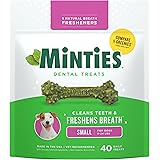
Minties Mint Dental Chews for Dogs, Small Dogs 5-25 lbs, 40 Count | Vet-recommended mint dental bone; scrubs teeth as dogs chew; fights plaque, tartar & bad breath; no soy/wheat/corn
$9.94 (as of October 23, 2026 03:13 GMT +00:00 - More infoProduct prices and availability are accurate as of the date/time indicated and are subject to change. Any price and availability information displayed on [relevant Amazon Site(s), as applicable] at the time of purchase will apply to the purchase of this product.)










Post Comment